From Breeding to Reintroduction: AlUla Leads Global Movement to Save the Arabian Leopard
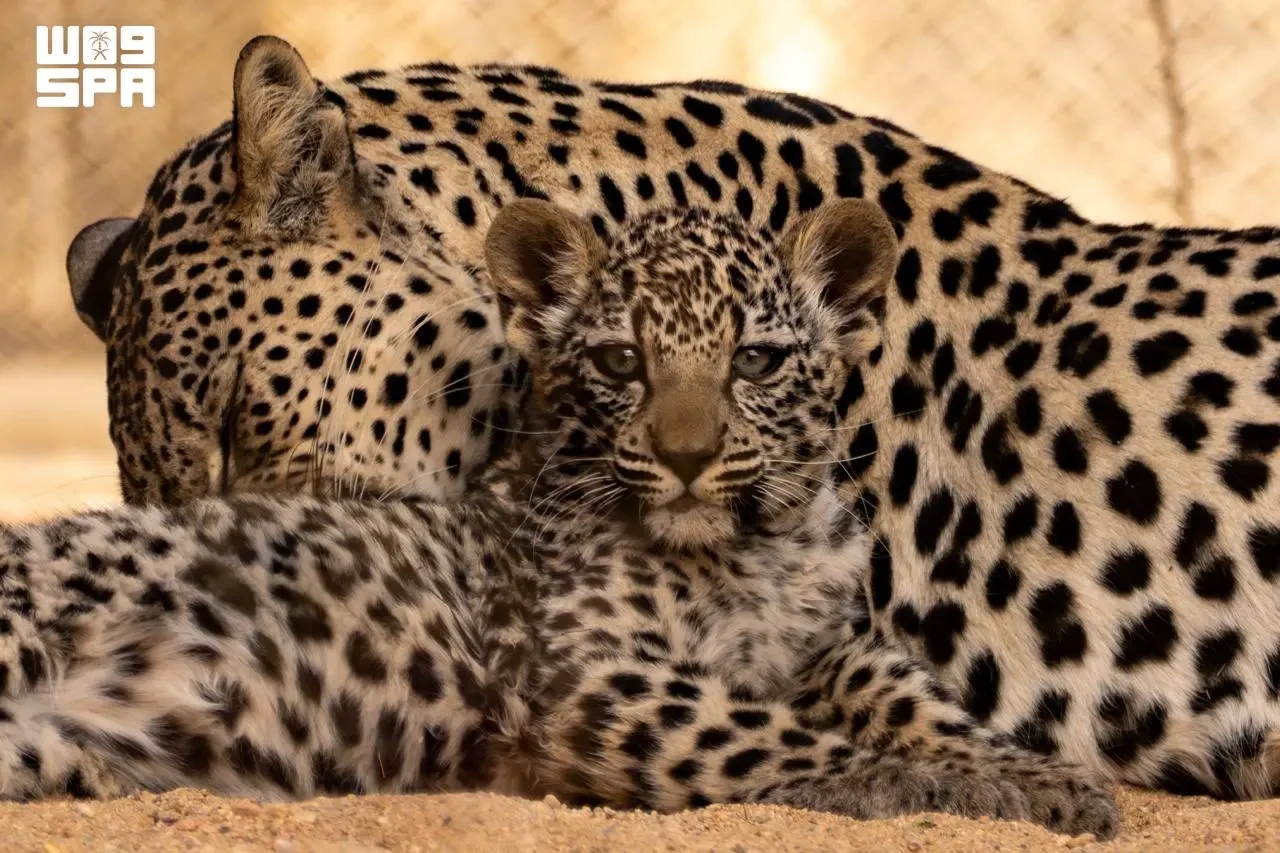
The Arabian leopard, critically endangered with fewer than 200 individuals left in the wild, is the focus of an ambitious conservation program led by the Royal Commission for AlUla. The program includes a breeding center that has increased the captive population from 14 to 32, habitat restoration, and international recognition through the UN-proclaimed International Arabian Leopard Day. These efforts align with Saudi Vision 2030 to restore biodiversity and position the Kingdom as a global leader in conservation.
In the heart of the towering mountains and vast valleys of AlUla in northwestern Saudi Arabia, one of the most prominent wildlife conservation stories in the Arab world is unfolding. The Arabian leopard is linked to the region's history for thousands of years as a symbol of strength and ecological balance, and as one of the most important components of the natural systems of the Arabian Peninsula. Rock carvings scattered across the mountains of AlUla document this ancient presence, revealing a historical relationship between humans and nature stretching back more than ten thousand years.
This unique creature, which lived in the mountains and deserts of the Arabian Peninsula for hundreds of thousands of years, has faced unprecedented challenges in recent decades that nearly drove it to extinction in the wild. Overhunting, decline of natural prey, and habitat loss due to urban and agricultural expansion have all contributed to reducing its numbers to critical levels, prompting the International Union for Conservation of Nature (IUCN) to classify it as Critically Endangered.
The Royal Commission for AlUla (RCU) is leading one of the most ambitious environmental initiatives in the region through an integrated system that includes breeding programs, specialized veterinary care, natural habitat rehabilitation, reintroduction of native prey, support for scientific research, and local and international awareness campaigns. The goal is to rebuild the future of the Arabian leopard and ensure its sustainability for generations to come.
These efforts align with the goals of Saudi Vision 2030, which aims to enhance biodiversity, restore natural ecosystems, and transform the Kingdom into a global model for protecting endangered species. AlUla has become an international center leading a growing environmental movement to save one of the rarest felines in the world.
"The Arabian Leopard: A Natural Icon and Ancient History"
The Arabian leopard is the smallest leopard subspecies in the world, but at the same time it is the largest predator in the Arabian Peninsula. Scientific studies indicate that it has inhabited the Arabian Peninsula and Egypt for more than 500,000 years, having arrived from Africa, and has become an integral part of mountain and desert ecosystems.
The Arabian leopard is characterized by its pale yellow to dark golden coat and small, widely spaced rosettes that help it camouflage among rocks and mountain heights. It also possesses exceptional climbing and movement abilities in rugged terrain. Males typically weigh between 24 and 34 kilograms, while females weigh between 18 and 23.5 kilograms. Its average lifespan in the wild is about 10 years, but it may live up to 20 years in captivity within breeding and care centers.
For the people of the region, the Arabian leopard was not just a wild animal; it was a symbol of strength, courage, and freedom, appearing in folk stories and cultural heritage. Rock carvings in AlUla and the Sharaan Nature Reserve depict it hunting or in the wild, reflecting its historical place in the consciousness of the Arabian Peninsula's inhabitants.
Why Did the Arabian Leopard Reach the Brink of Extinction?
The Arabian leopard's numbers have sharply declined over recent decades due to a combination of accumulated environmental and human factors. Urban and agricultural expansion has reduced its natural habitat, while overgrazing has degraded vegetation cover and decreased the populations of prey it depends on for food.
Poaching and illegal wildlife trade have also posed one of the most serious threats to this species, along with increasing human-wildlife conflict. The scarcity of natural prey has driven some leopards to approach residential areas and attack livestock, leading to retaliation killings out of revenge or fear.
The latest international estimates indicate that fewer than 200 Arabian leopards remain in the wild, distributed across limited areas in Saudi Arabia, Oman, and Yemen, making them one of the most endangered predators in the world.
"Arabian Leopard Breeding and Conservation Center: The Heart of Protection Efforts"
The Arabian Leopard Breeding and Conservation Center in AlUla is the cornerstone of efforts to preserve this rare species, and is the only active center in the world specialized in breeding Arabian leopards for the purpose of protecting and restoring their population.
The center applies the highest international scientific standards in care, breeding, and genetic management programs, which has enabled it to obtain specialized European accreditations. The work system includes caring for leopards from the cub stage to old age through integrated health, behavioral, and nutritional programs.
Since the Royal Commission for AlUla took over management of the center, the programs have achieved remarkable success, with the number of leopards increasing from 14 to 32, in addition to recording 12 new cubs during 2023 and 2024.
The birth of three cubs to the female "Ward" and the male "Baher" in June 2024 marked a milestone in the conservation journey. It is considered the third documented birth of Arabian leopards worldwide in three decades, and the first in the Kingdom under specialized scientific supervision. The addition of "Baher," who came from Oman, has also contributed to enhancing genetic diversity, a key factor in the long-term success of breeding programs.
"Scientific Care Accompanying the Arabian Leopard Throughout Its Life"
Protection efforts are not limited to increasing numbers; they include an integrated system of veterinary and scientific care designed to ensure the health and quality of life of the leopards.
Care begins from the first days after birth, with cubs undergoing precise health monitoring, including regular check-ups, specialized nutrition programs, and behavioral assessments. When leopards reach breeding age, between three and four years old, careful genetic studies are conducted to select suitable pairs, preserving genetic diversity and reducing the risk of inbreeding.
Elderly leopards also receive special care programs, including continuous veterinary monitoring and regular laboratory analyses, ensuring their health and well-being for as long as possible.
"Natural Habitat Rehabilitation Paves the Way for Return to the Wild"
The Royal Commission for AlUla believes that the success of breeding programs is incomplete without providing a natural environment capable of receiving the Arabian leopard in the future. Therefore, it implements extensive programs to rehabilitate natural habitats in reserves and wilderness areas.
These efforts include restoring vegetation cover, regulating grazing, protecting sensitive ecological habitats, and enhancing biodiversity within natural reserves, foremost among them the Sharaan Nature Reserve. The Commission is also working on releasing native prey species that the Arabian leopard depends on for food, such as ibex, gazelles, and hares, aiming to rebuild the natural food chain and achieve ecological balance within the reserves.
The wildlife rehabilitation project in AlUla represents an advanced model of "environmental engineering," where the goal is not limited to protecting a single species but rather restoring an integrated ecosystem that allows wildlife to thrive and coexist sustainably with humans.
"International Arabian Leopard Day: From a Saudi Initiative to UN Recognition"
Original source: Akhbaar24



Comments (0)
Be the first to comment.