History of Saudi Architecture - Dr. Abdulaziz Al-Jarallah

The Kingdom is witnessing several efforts to document Saudi architecture in line with Saudi Vision 2030, which has shifted architecture to new patterns. Among these efforts is the Riyadh Region Municipality's project, the Riyadh Memory Project: The 'Riyadh Memory' project is a documentation initiative launched by the Riyadh Region Municipality (with support and knowledge partnership from various entities including King Saud University and the Royal Commission for Riyadh City), aimed at preserving and documenting the architectural and urban heritage of Riyadh during the second half of the twentieth century (from 1950 to 2000).
If we take the capital Riyadh as a model for the history and development of Saudi architecture, the stages of urban development can be classified in line with the reigns of kings and the economic cycles the Kingdom has experienced, as follows:
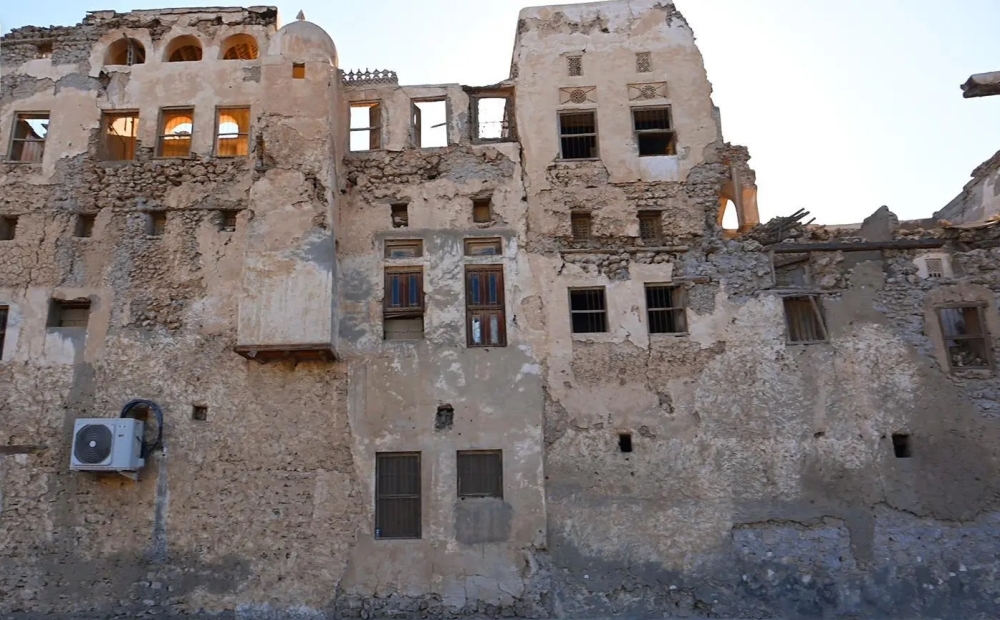
- First stage: Founding architecture of stone and mud buildings: The era of King Abdulaziz - may God have mercy on him - from the unification of the Kingdom in 1351 AH (1932) until the death of King Abdulaziz on November 9, 1953 (corresponding to Rabi' al-Awwal 2, 1373 AH). Establishment of settlements (Hijar) for sedentarization, and walled villages and cities; after stability, the walls were removed.
- Second stage: Cement (reinforced) architecture: During the reigns of King Saud - may God have mercy on him - from Rabi' al-Awwal 2, 1373 AH (November 9, 1953) until Jumada al-Thani 27, 1384 AH (November 2, 1964), and King Faisal - may God have mercy on him - from November 2, 1964 (Jumada al-Thani 27, 1384 AH) until March 25, 1975 (Rabi' al-Awwal 13, 1395 AH). The use of reinforced concrete spread, and cement palaces and villas emerged.
- Third stage: Architecture of the first economic development - concrete construction: The era of King Khalid - may God have mercy on him - from March 25, 1975 (Rabi' al-Awwal 13, 1395 AH) until his death on June 13, 1982 (Sha'ban 21, 1402 AH). Stone and mud houses disappeared, cement houses decreased, and they were replaced by large glass buildings and massive concrete structures.
- Fourth stage: Beginning of tower architecture: During the reigns of King Fahd - may God have mercy on him - he assumed power on June 13, 1982 (Sha'ban 21, 1402 AH), and King Abdullah - may God have mercy on him - assumed power on Jumada al-Thani 26, 1426 AH (August 1, 2005), and his reign continued until his death on Rabi' al-Akhir 3, 1436 AH (January 23, 2015). Construction of Al Faisaliah Tower in Riyadh began in 1997 and officially opened in May 2000; it is considered the first skyscraper built in Saudi Arabia. Kingdom Tower (Kingdom Centre) in Riyadh was built and opened in 2002, after construction began in 1999. Then towers spread along King Fahd Road.
- Fifth stage: Architecture of Vision 2030 projects: The era of King Salman and Crown Prince Prince Mohammed bin Salman - may God protect them. King Salman bin Abdulaziz assumed power on Rabi' al-Akhir 3, 1436 AH (January 23, 2015). Strategic projects on the coasts: ports and tourism, architecture of the Two Holy Mosques, sports and cultural cities, and the establishment of new cities.
Original source: Al-Jazirah




Comments (0)
Be the first to comment.