Imam of the Grand Mosque: Seeking Help from God is a Cause for Relief from Distresses and Expiation of Sins
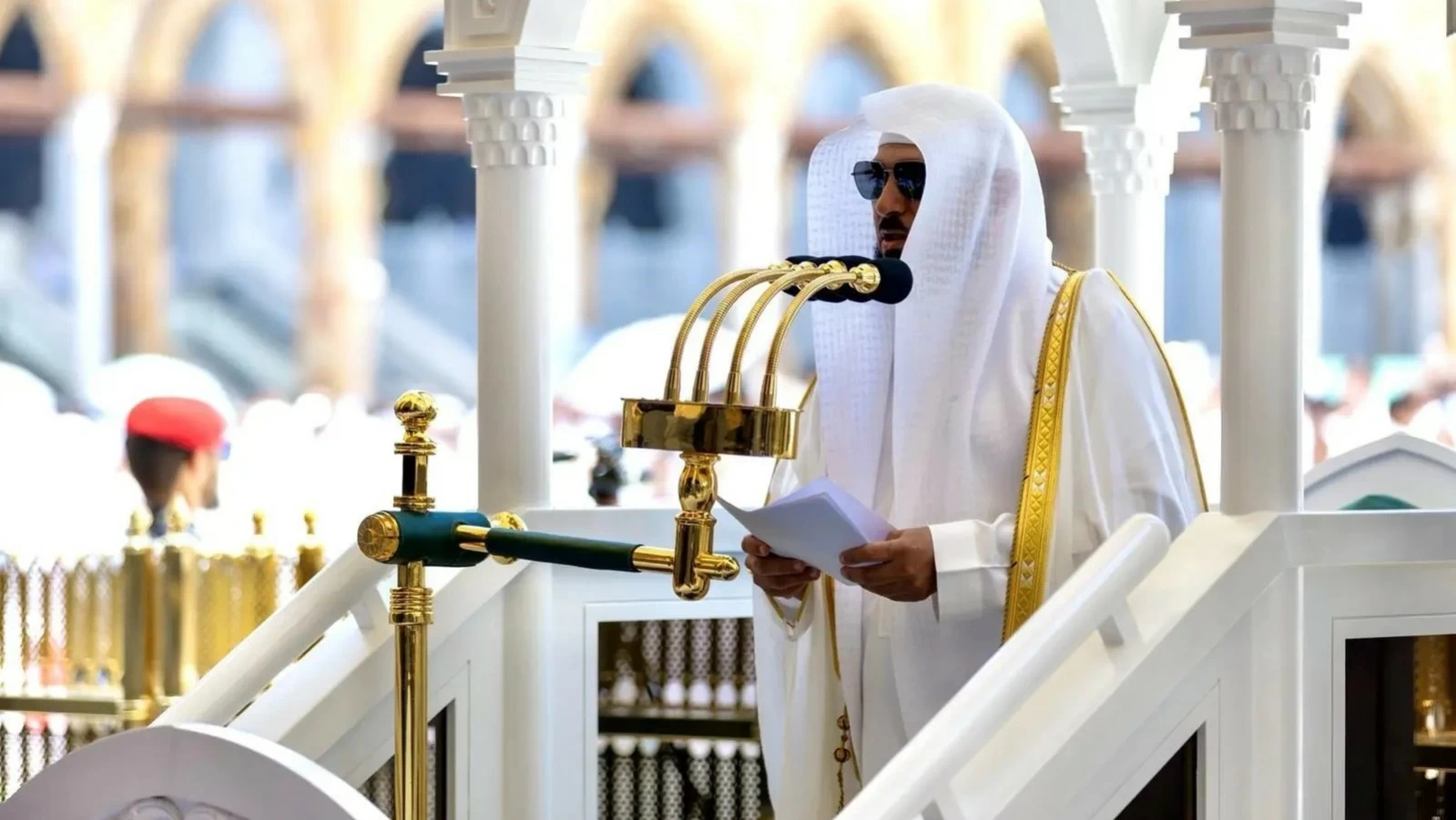
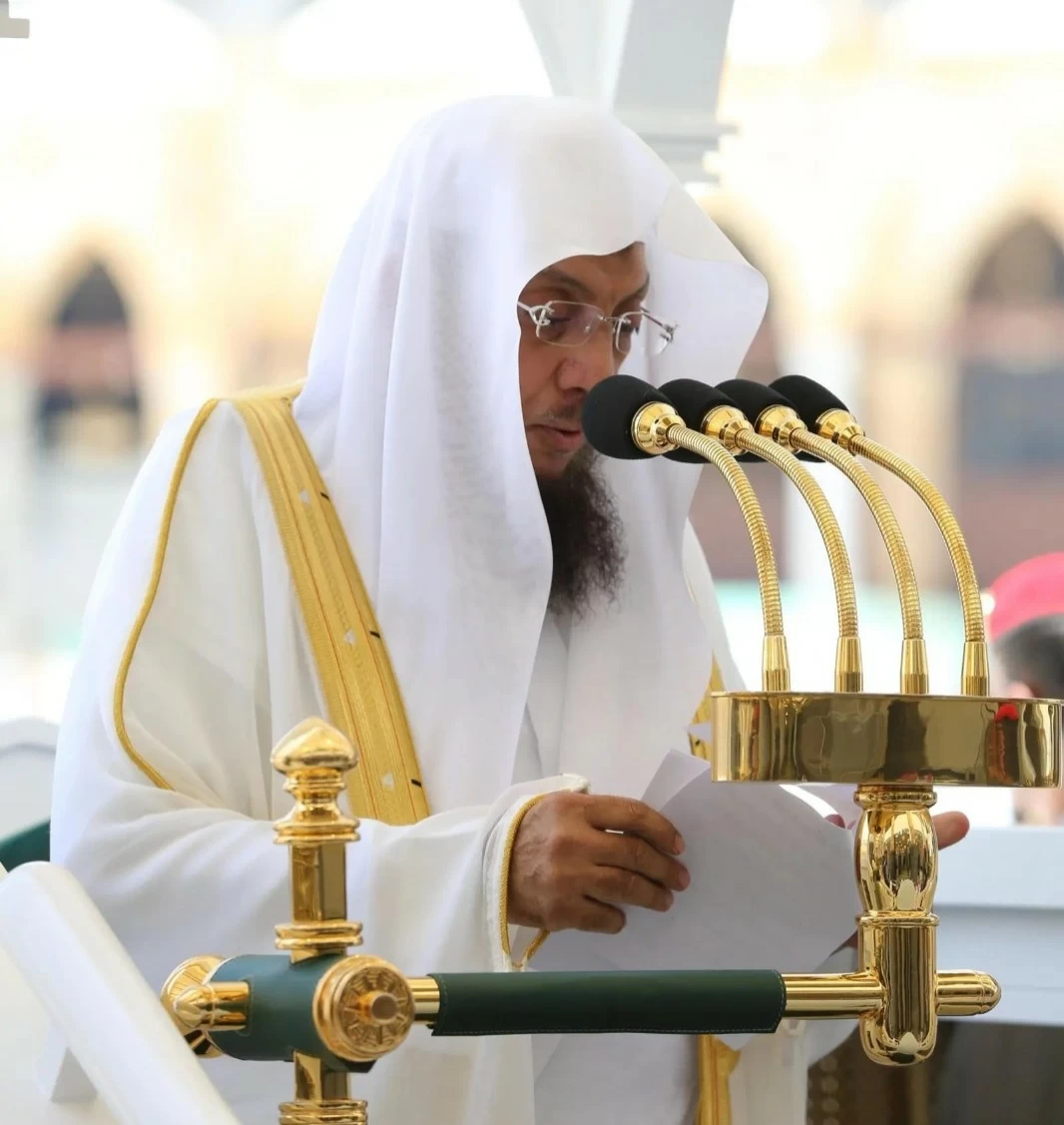
The Imam and preacher of the Grand Mosque, Sheikh Dr. Maher bin Hamad Al-Mu'aiqly, advised Muslims to fear God Almighty, to be sincere in intention, to adhere to the Sunnah of His Prophet (peace be upon him), to strive in righteous deeds, and to avoid sins, stating that knowledge of God's names, attributes, and actions is among the most noble, beneficial, and greatest of sciences, and that the honor of knowledge follows the honor of its subject, and there is no subject greater or more sublime than knowledge of God (Almighty), and that the more a servant knows his Lord's names and attributes, the more he knows Him, fears Him, seeks Him, draws near to Him, hopes for His pleasure, and fears His wrath. He explained in the Friday sermon the...
Follow Okaz channel on WhatsApp.
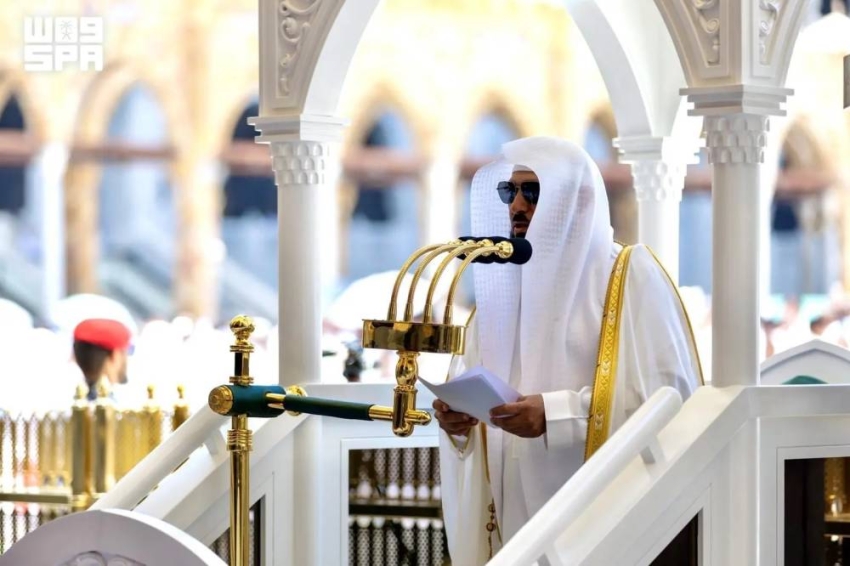
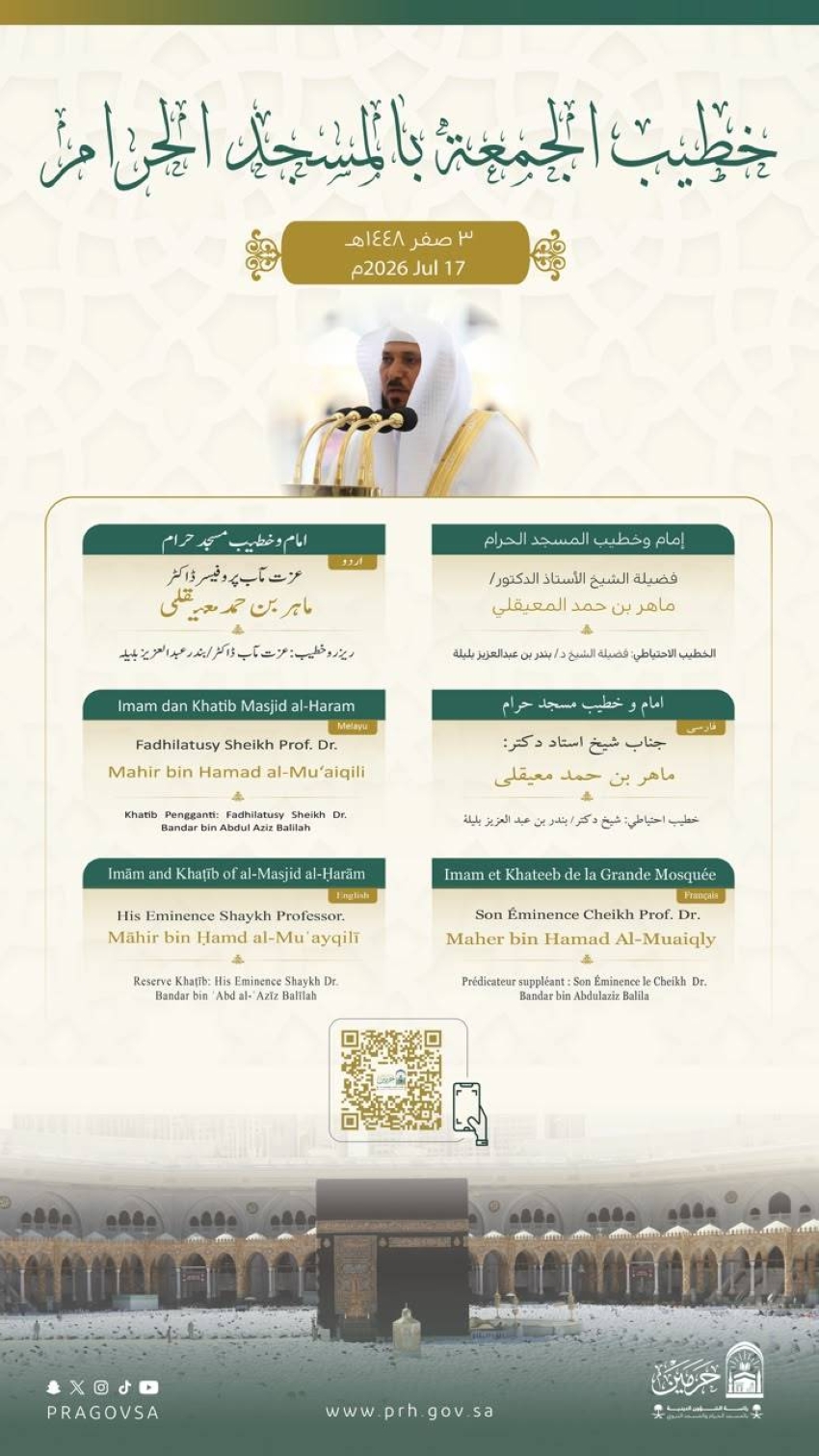
The Imam and preacher of the Grand Mosque, Sheikh Dr. Maher bin Hamad Al-Mu'aiqly, advised Muslims to fear God Almighty, to be sincere in intention, to adhere to the Sunnah of His Prophet (peace be upon him), to strive in righteous deeds, and to avoid sins, stating that knowledge of God's names, attributes, and actions is among the most noble, beneficial, and greatest of sciences, and that the honor of knowledge follows the honor of its subject, and there is no subject greater or more sublime than knowledge of God (Almighty), and that the more a servant knows his Lord's names and attributes, the more he knows Him, fears Him, seeks Him, draws near to Him, hopes for His pleasure, and fears His wrath.
He explained in the Friday sermon, delivered today at the Grand Mosque, that among the most beautiful names of God mentioned in the Holy Quran are the names 'Al-Hayy' (the Ever-Living) and 'Al-Qayyum' (the Self-Subsisting), two names that encompass the meanings of all the beautiful names. Al-Hayy encompasses attributes of perfection, and Al-Qayyum encompasses attributes of actions, noting that a group of scholars concluded that these two names constitute the Greatest Name of God, such that when invoked by it, He responds, and when asked by it, He gives, citing what is reported in Musnad Ahmad and Sunan Ibn Majah regarding the virtue of supplicating with these two names, and their occurrence in Ayat al-Kursi, the beginning of Surah Al Imran, and Surah Ta-Ha.
He explained that the name 'Al-Hayy' (the Ever-Living) indicates the perfect, eternal, and everlasting life that was not preceded by non-existence, is not subject to decay or annihilation, and is not affected by fatigue or weariness. It is a life that necessitates the perfection of His attributes (Glory be to Him), such as knowledge, power, hearing, sight, forgiveness, mercy, and all other attributes of perfection, emphasizing that God (Glory be to Him) alone deserves worship, unlike every creation that dies and perishes, citing His words: 'And rely upon the Ever-Living who does not die' (Quran 25:58), and His words: 'Everyone upon the earth will perish, and there will remain the Face of your Lord, Owner of Majesty and Honor' (Quran 55:26-27). He also reviewed the stance of Abu Bakr al-Siddiq (may Allah be pleased with him) at the death of the Prophet (peace be upon him) and his inference from God's words: 'And Muhammad is not but a messenger; [other] messengers have passed on before him' (Quran 3:144).
He explained that the name 'Al-Qayyum' (the Self-Subsisting) indicates His (Glory be to Him) self-subsistence and His management of the affairs of His creation, and that all creation is in need of Him, citing the supplication the Prophet (peace be upon him) used to make during the night prayer: 'O Allah, to You be praise. You are the Sustainer of the heavens and the earth and whoever is in them,' noting that God (Glory be to Him) holds the heavens and the earth from ceasing, conducts the affairs of the entire universe with His wisdom, constricts and expands, gives and withholds, gives life and causes death, honors and humiliates, guides and misguides, relieves distress, succors the distressed, heals the sick, answers the caller, accepts the repentant, mends the broken, and He (Glory be to Him) is watchful over every soul for what it has earned, knowing the conditions, words, and deeds of His servants, and He will call them to account and recompense them on the Day of Resurrection.
He explained that among the greatest proofs of the perfection of His self-subsistence (Glory be to Him) is what Ayat al-Kursi contains of meanings of grandeur and perfection, citing God's words: 'Allah – there is no deity except Him, the Ever-Living, the Self-Subsisting. Neither drowsiness overtakes Him nor sleep. To Him belongs whatever is in the heavens and whatever is on the earth' (Quran 2:255), explaining that the verse affirms the perfection of God's life and self-subsistence, the vastness of His dominion, the encompassing nature of His knowledge, the greatness of His authority, and that He (Glory be to Him) is not weighed down by preserving the heavens and the earth, and He is the Most High, the Most Great.
The Imam and preacher of the Grand Mosque pointed out that when a believer is certain that God Almighty is Ever-Living and does not die, and that He is the Self-Subsisting of the heavens and the earth, the Administrator of creation and affairs, the Sole Possessor of will and decree, this leads him to truly rely on God, trust in Him, be content with His decree, be patient with His trial, hope only in Him, desire only what He has, and frequently supplicate and remember Him, especially when afflicted with worries and distresses, citing what the Prophet (peace be upon him) used to say when distressed: 'O Ever-Living, O Self-Subsisting, by Your mercy I seek help,' and what is reported from Ali ibn Abi Talib (may Allah be pleased with him) regarding the Prophet's supplication on the day of Badr.
He urged adherence to the comprehensive supplications that the Prophet (peace be upon him) regularly recited morning and evening, including: 'O Ever-Living, O Self-Subsisting, by Your mercy I seek help. Rectify all my affairs and do not entrust me to myself for even the blink of an eye,' explaining that seeking help with these two names is a cause for relief from distresses, attainment of good things, and expiation of sins. He called for frequent seeking of forgiveness, citing the virtue of saying: 'I seek forgiveness from Allah, besides whom there is no deity, the Ever-Living, the Self-Subsisting, and I repent to Him.'
The Imam and preacher of the Prophet's Mosque, Sheikh Dr. Hussein Al Sheikh, also spoke about Islam's care for married life, explaining that Islamic law established the relationship between spouses on affection and mercy, legislated rulings that ensure family stability and protect the rights of its members, and made divorce the last resort when reconciliation becomes impossible and harm persists.
He explained that divorce in Islam is legislated after exhausting means of reconciliation and when marital life cannot continue, to serve as a means to ward off harm and achieve benefit, not as a door to hastily ending married life, citing God's words: 'And live with them in kindness. For if you dislike them, perhaps you dislike a thing and Allah makes therein much good' (Quran 4:19).
Dr. Al Sheikh referred to the Prophet's hadith (peace be upon him): 'A believing man should not hate a believing woman; if he dislikes one of her characteristics, he will be pleased with another,' explaining that this prophetic guidance encourages patience, overlooking faults, focusing on virtues, and enhancing chances of reconciliation before resorting to divorce.
He explained that among the conditions of legitimate divorce is that a man divorces his wife once during a period of purity in which he has not had intercourse with her, or divorces her while she is pregnant, then leaves her in the marital home for the purpose of reconsideration, and perhaps God will bring about a change leading to the husband's return to his wife and the improvement of the entire family situation.
He warned against transgressing God's limits by issuing a divorce in an illegitimate manner, such as a man divorcing his wife three times with one utterance or in one sitting, or issuing a divorce while the woman is menstruating, or during a period of purity in which he had intercourse with her.
The Imam and preacher of the Prophet's Mosque strongly warned against carelessly uttering divorce words or using them as oaths to urge or prevent an action, or to affirm or deny something, such as saying: 'I am divorced if you go to such-and-such,' or 'if you do not do such-and-such,' or using it when intending to honor someone and compel them to accept an invitation, like saying: 'I am divorced if you have lunch or dinner with us,' emphasizing that divorce is one of God's limits that must be respected, citing His words: 'These are the limits [set by] Allah, so do not transgress them. And whoever transgresses the limits of Allah – it is those who are the wrongdoers' (Quran 2:229).
Al Sheikh concluded the sermon by urging spouses to be patient and deliberate, to avoid hasty reactions and impulsive emotions, explaining that among the rulings of divorce is that a woman may not seek divorce when circumstances are stable and there are no reasons necessitating separation, citing the Prophet's saying (peace be upon him): 'Any woman who asks her husband for a divorce without a valid reason will be forbidden from the fragrance of Paradise' (authenticated by Ibn Khuzaymah, Ibn Hibban, and others).
Original source: Okaz

Comments (0)
Be the first to comment.