KAUST Study Reveals Fragility of Protection for Marine Megafauna
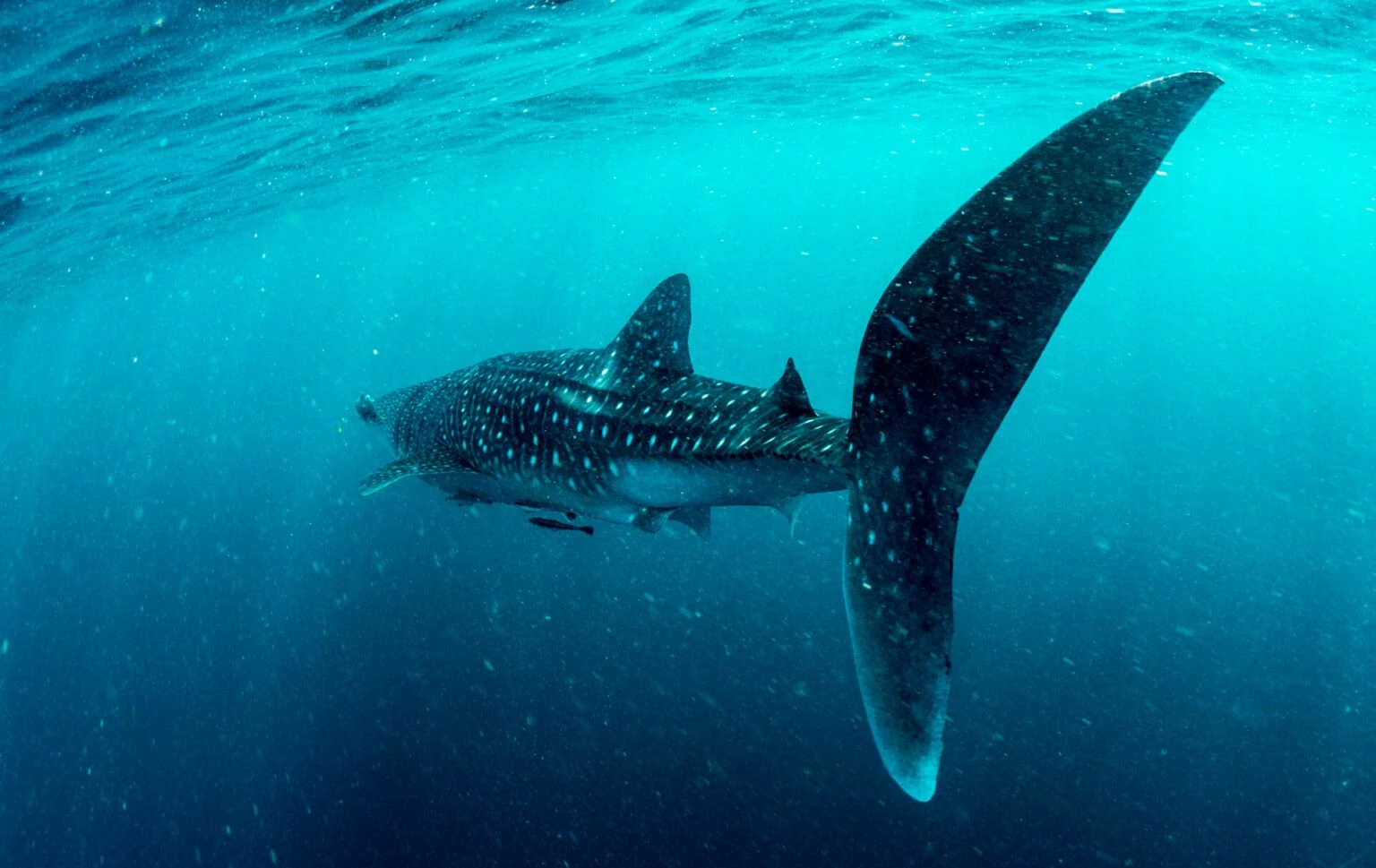
A large-scale study by KAUST found that current marine protected areas cover only 7.5% of habitats used by marine megafauna, with these animals spending over 85% of their time outside protected zones. The MegaMove project, tracking 15,845 animals, calls for new migration maps, expanded protected areas, and stricter fishing and shipping regulations.
A large-scale scientific study involving researchers from King Abdullah University of Science and Technology (KAUST) revealed that current ocean protection efforts remain insufficient to protect marine megafauna, despite the international push to increase the proportion of marine protected areas to 30% by 2030.
The study showed that marine megafauna such as sea turtles, whales, and sharks spend more than 85% of their time outside current protected areas, and that marine protected areas cover only 7.5% of the areas used by these creatures according to global tracking data. It confirmed that the large-scale research project MegaMove has collected more than 11 million tracking points for 15,845 marine animals from 121 species over three decades, making it the largest database of its kind in the world.
The study's findings highlighted the need for new global maps showing migration corridors and feeding and breeding grounds for marine megafauna, along with expanding protected areas and locating them based on actual movement data. It also stressed the need for strict fishing restrictions and regulating ship traffic to reduce lethal incidents, as data indicate that 300 large whales are killed annually due to ship collisions, and that ocean noise from human activities has become a widespread threat.
The researchers recommended rerouting ship traffic through safe corridors to reduce collisions, enhancing monitoring of fishing and maritime industries, directly managing marine ecosystems rather than relying solely on protected areas, and supporting long-term studies to understand the impacts of climate change and fishing on marine animal movements.
The significance of the MegaMove project lies in its qualitative leap in the science of marine animal movement, relying on unprecedented global cooperation in data sharing. KAUST played a pivotal role in establishing the project, which aims to provide strong scientific evidence for formulating international policies to protect marine life.
For his part, Professor Carlos Duarte from KAUST pointed out that protecting the oceans requires a precise understanding of how marine animals use marine space, whether through migration, feeding, or reproduction, and that marine animals move vast distances, often crossing national and ocean boundaries, making traditional protection insufficient.
Original source: Akhbaar24



Comments (0)
Be the first to comment.