Mining settlement... details of archaeological discoveries at the Hilit site in Dawadmi
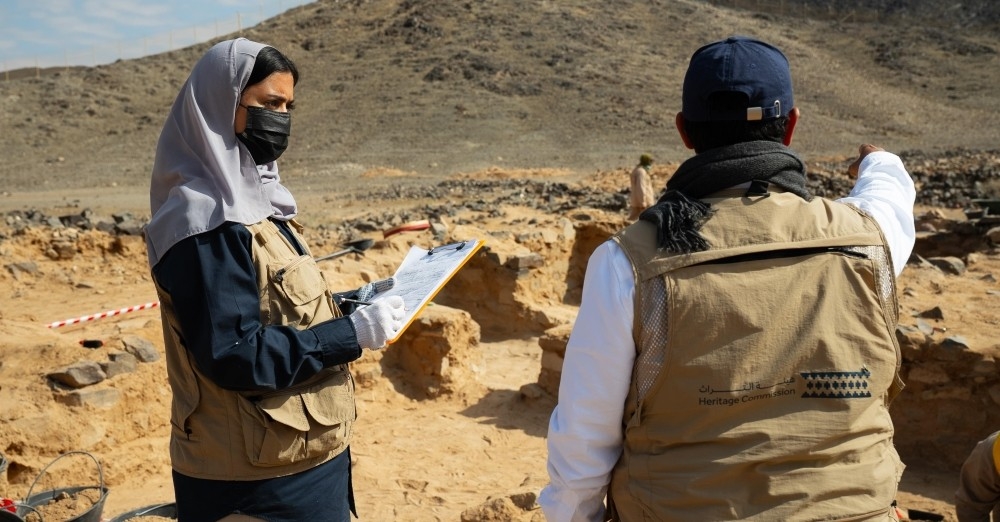
The Heritage Authority announced the results of archaeological excavations at the Hilit archaeological site in Dawadmi Governorate, Riyadh Region, as part of the fourth season, within its ongoing efforts to excavate, preserve, and introduce national antiquities and their historical and cultural value, and enhance their use as an important cultural and economic resource.
The Hilit archaeological site, an ancient mining settlement, is located approximately 110 km northwest of Dawadmi Governorate, and is one of the sites registered in the National Antiquities Register in the Riyadh Region.
Related News
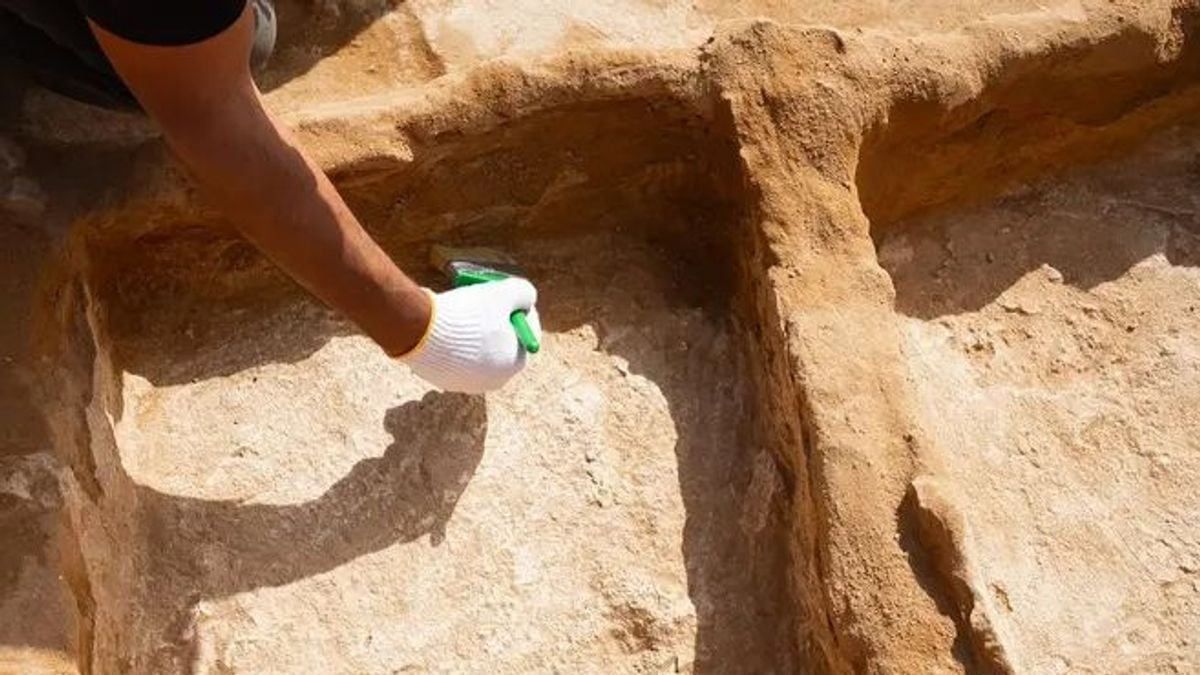
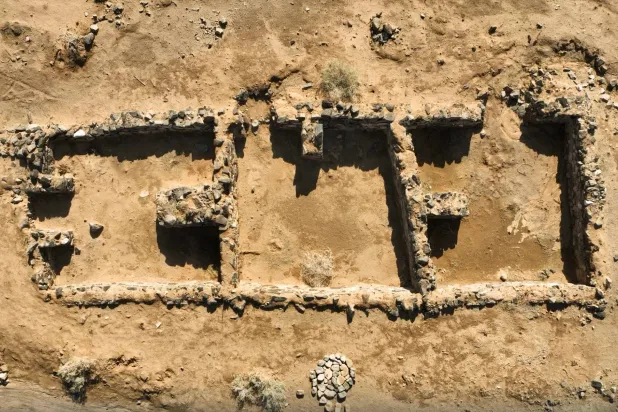
During the fourth season, the site witnessed the application of precise scientific methodologies in excavation work, resulting in the discovery of a number of architectural features, consisting of 18 architectural units of varying sizes, including rooms and corridors, in addition to a large number of movable archaeological finds, most notably a stone weight inscribed with its measure in the Jazm script 'Ratl', dating back to the first or second century AH. The finds included ornaments, including part of a metal bracelet, and a number of beads of various shapes and colors, in addition to parts of vessels made of glazed pottery, plain pottery, and soapstone, along with a collection of glass bottle fragments and stone tools including grinding mills and pestles.
And the preliminary results of the fourth season excavation work showed consistency with the results of previous seasons, as archaeological evidence indicates that settlement at the site dates back to the first century AH, and may extend to the second century AH.
The Heritage Authority affirmed its continued implementation of archaeological survey and excavation projects in various regions of the Kingdom, and the development of documentation and protection mechanisms for archaeological discoveries, contributing to enhancing the sustainability of the national cultural heritage and highlighting its position as an authentic element of the Kingdom's civilization identity and deep-rooted history, in line with the objectives of the National Culture Strategy.
Original source: Al-Yaum


Comments (0)
Be the first to comment.