Senior Scholar: Pessimism about Safar is a Pre-Islamic Practice and a Gateway for Satan

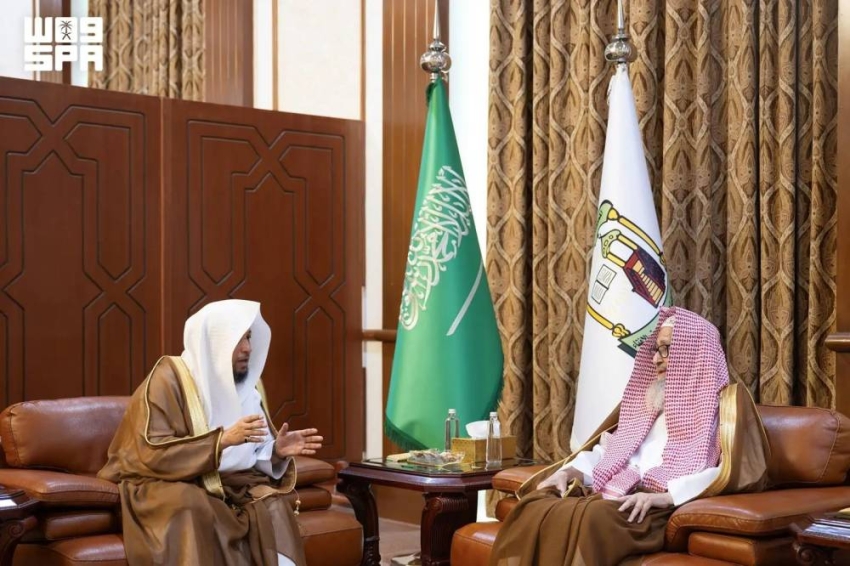
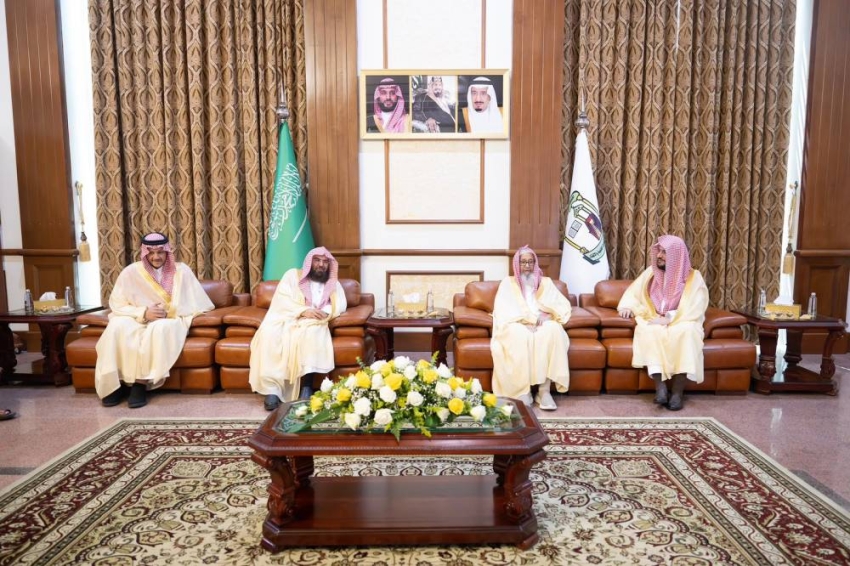
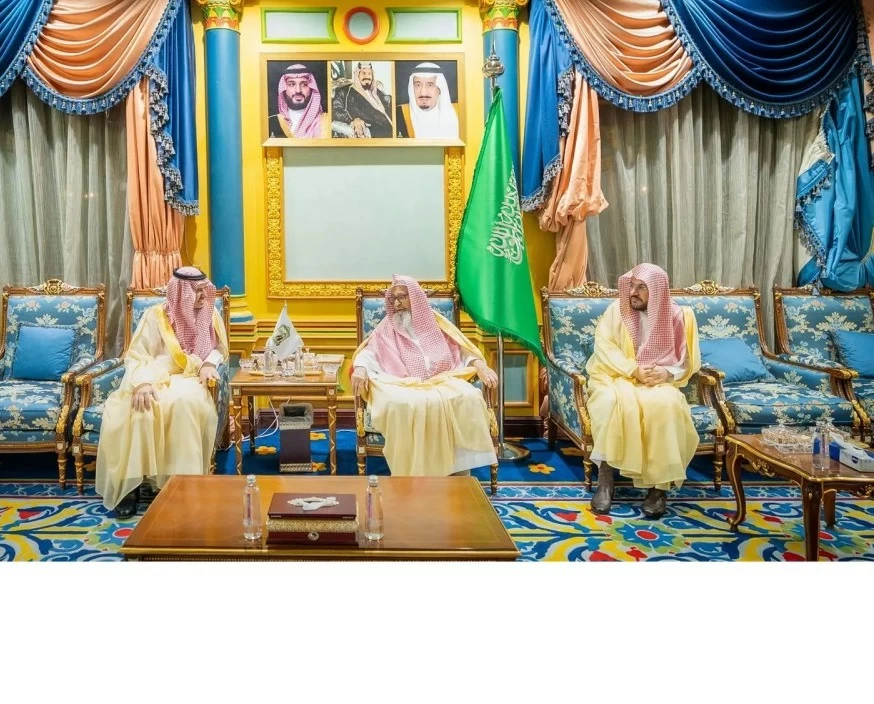
Sheikh Dr. Abdul Salam bin Abdullah Al-Sulaiman, a member of the Senior Scholars Council and the Permanent Committee for Fatwa, warned against pessimism regarding the month of Safar, stressing that it is a pre-Islamic practice that Islam abolished, and that a Muslim must rely on Allah Almighty and proceed with his affairs without linking them to months, numbers, or incidents.
Sheikh Al-Sulaiman's remarks came during his response in the program 'Fatawa' on the Saudi channel, answering a question about the ruling on pessimism regarding the month of Safar and the legal guidance in that regard.
Safar is like other months
Al-Sulaiman explained that the month of Safar is no different from the rest of the months, citing the Prophet's saying: 'There is no contagion, no omens, no hama, and no Safar,' showing that the Prophet abolished the pre-Islamic beliefs related to pessimism, while emphasizing taking legitimate precautions, as in his saying: 'Flee from the leper as you flee from a lion,' and: 'A sick person should not be brought near a healthy person.'
He pointed out that the pre-Islamic Arabs relied on omens; if a bird flew to the right, they would proceed with their journey, but if it flew to the left, they would consider it a bad omen and cancel it. Islam came to abolish all these beliefs.
Postponing Marriage and Travel Due to Safar is from Pre-Islamic Times
The member of the Senior Scholars Council affirmed that some forms of pessimism are still present today, as some people postpone marriage, events, or travel if they coincide with the month of Safar, believing it to be a month that brings misfortune, stressing that this is a pre-Islamic practice and it is not permissible for a Muslim to believe in it.
He added that some people celebrate or gather on the last Wednesday of Safar, believing that calamities end, stressing that this falls under innovation and the forbidden pessimism.
Pessimism about Numbers and Incidents is a Gateway for Satan
Al-Sulaiman noted that manifestations of pessimism are no longer limited to the month of Safar, but have extended to pessimism about certain numbers, such as the number 13, or about incidents and sights that a person encounters on his way.
He said that some people, when leaving their homes and seeing a lame or one-eyed person, or witnessing a traffic accident, return home and abandon their work out of pessimism, stressing that these practices are forbidden omens and are among the gateways of Satan that a Muslim should beware of.
Reliance, Dhikr, and Istikhara are the Right Path
Al-Sulaiman emphasized that a Muslim should rely on Allah in all his affairs, whether in the month of Safar or otherwise, and should not tie his life to illusions or superstitions.
He explained that maintaining the morning and evening remembrances, supplicating to Allah, and performing the Istikhara prayer when embarking on marriage, travel, or other matters are the lawful means that give the believer tranquility, stressing that Allah writes for His servant what is good if he is sincere in his reliance and Istikhara, and that months, numbers, or events have no influence in bringing benefit or warding off harm.
Original source: Sabq


Comments (0)
Be the first to comment.