Specialists to Al-Youm: Abha Accident Affirms Need to Develop Safety and Oversight in Entertainment Cities
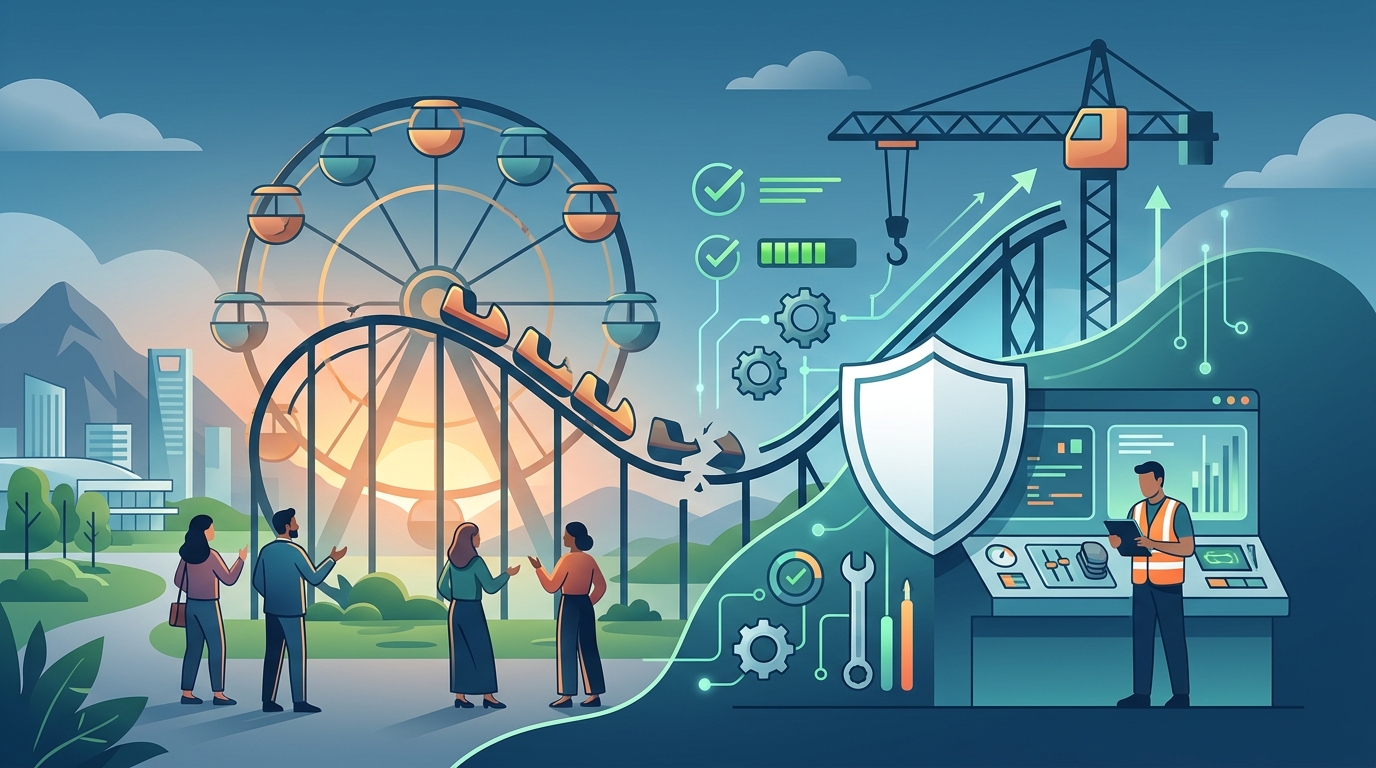
Specialists affirmed that the fall of a ride in Abha city has reiterated the importance of enhancing the safety and technical oversight system in entertainment cities, stressing that prevention starts from the design, manufacturing, and installation stages, and extends to operation, maintenance, and continuous inspection, ensuring the protection of lives and reducing the recurrence of such incidents.
They explained in their remarks to Al-Youm that developing the safety system requires raising the efficiency of technical oversight, leveraging modern technologies in inspection and maintenance, strict adherence to regulatory requirements, and enhancing visitor awareness of safety guidelines, emphasizing that the success of entertainment cities is measured by their ability to provide a safe environment before any other considerations.
Related News
Authorities investigate fall of ride in Asir
After Abha ride accident: Calls to strengthen safety measures and preventive oversight
Several countries offer condolences to the Kingdom over Aramco helicopter crash
Specialists to Al-Youm: Abha accident affirms need to develop safety and oversight in entertainment cities
Integrated Safety System
Safety expert retired Major General Dr. Khalid bin Mureished Al-Otaibi explained that the technical regulations and legislation governing entertainment cities have set precise requirements for ride safety, starting from the design and manufacturing stages, through installation and operation, including compliance with standards of the Saudi Standards, Metrology and Quality Organization, obtaining approved inspection certificates, risk assessment documents, performing periodic maintenance, passing tests before operation, and the commitment of safety officials to their regulatory duties.
Retired Major General Dr. Eng. Khalid Al-Otaibi
He emphasized that developing the inspection and oversight system requires raising the efficiency of inspection and maintenance bodies, expanding their services, and continuously verifying the accuracy of technical reports and the quality of their work. He added that legislation defines the responsibilities of all parties, from supplier and operator to inspection bodies, while visitors bear responsibility for adhering to safety guidelines, specified age groups, and using protective gear and seat belts.
Prevention is the Foundation of Safety
Occupational safety and health consultant Dr.
Dr. Mohammed Zamzami
He stated that the Abha accident underscores the importance of managing safety with a proactive approach based on risk management, rather than relying solely on traditional inspection or formal compliance with requirements. He added that reducing the recurrence of accidents begins with adherence to engineering standards, conducting regular operational checks, ensuring the readiness of emergency stop systems, and training personnel to handle emergencies. He stressed that developing oversight requires engaging independent technical entities, leveraging predictive maintenance technologies and smart systems for ride monitoring, and documenting inspection and maintenance works electronically to enhance transparency and traceability. He also emphasized the importance of visitors' adherence to instructions regarding age, height, and health status, and reporting any observations that may affect safety, affirming that protecting lives starts with a comprehensive preventive culture.
Data Enhances Prevention
Civil engineer and facilities management consultant Haitham Yahya Al-Ahmadi explained that accidents related to amusement rides necessitate a comprehensive review of the safety and technical oversight system, noting that the safety of these facilities begins with design and installation, and extends to operation, maintenance, and continuous oversight, and that any failure in one of these stages could lead to serious consequences. He stressed that the next phase requires shifting from traditional periodic maintenance to data-driven risk management, through specialized technical inspections, continuous assessment of the operational lifespan of rides, and use of monitoring technologies for early detection of faults before they occur.
Eng. Haitham Al-Ahmadi
He added that enhancing safety is a shared responsibility between regulatory bodies and operators, through adherence to technical standards, training personnel, transparency in reporting faults, and visitors' adherence to instructions, which enhances confidence in safety levels and preserves lives.
Oversight Creates Safety
Occupational safety and health engineer Dhiya Mohammed Malibari explained that the fall of a ride reaffirms the importance of managing safety with a preventive approach based on risk management, not merely dealing with accidents after they occur, noting that adherence to design and operation requirements, conducting periodic technical inspections by independent and accredited bodies, documenting maintenance work, and stopping any ride that shows signs of malfunction represent the first line of defense to protect lives. He emphasized that developing the oversight system requires employing modern technologies to monitor the operational status of rides, raising the efficiency of technical personnel, and conducting periodic and surprise inspections to verify compliance with safety standards.
Eng. Dhiya Malibari
He also stressed the importance of visitors' adherence to instructions and not using rides unsuitable for their age or health condition, affirming that establishing a safety culture is the foundation for building a safe entertainment environment that enhances community trust.
Governance Starts with Manufacturing
Consultant engineer Hani Siraj Wazzan explained that the safety of amusement rides begins with the selection of the manufacturer and supplier, as the quality of manufacturing and efficiency of suppliers directly impact visitor safety, calling for accreditation of qualified manufacturers according to international standards, requiring rides to pass manufacturing efficiency tests and technical inspection by independent third-party bodies, and applying unified checklists covering design, manufacturing, installation, operation, and maintenance stages. He stressed that the oversight system should rely on periodic inspections based on risk assessment, documented digital records of maintenance work, field reviews by qualified regulatory bodies, and stopping any ride immediately upon signs of malfunction until technical verification is complete.
Eng. Hani Wazzan
He added that operators' compliance with requirements, along with visitors' awareness and reporting of any abnormal observations, are fundamental pillars of the safety system.
Investment in Prevention
Dr. Engineer Talal Saleh Mandoura, specialist in occupational safety and health, maintenance, operation, and industry, explained that the recurrence of amusement ride accidents, including the Abha and Taif incidents, underscores the need to shift from dealing with accidents after they occur to preventing them before they happen, through root cause analysis and applying a proactive safety approach. He affirmed that investment in prevention helps reduce human and economic losses, calling for involving an independent and qualified regulatory body to implement an occupational safety and health management system, conducting periodic inspections, non-destructive tests, and hydrostatic tests, in addition to performing preventive maintenance according to precise inspection checklists before operation, which helps detect hidden defects and prevent malfunctions before they occur.
Dr. Eng. Talal Mandoura
Systems Protect Rights
Original source: Al-Yaum



Comments (0)
Be the first to comment.