Stone Architecture in Taif: An Architectural Heritage Preserving the Identity of the Place and Enhancing Its Tourist Appeal

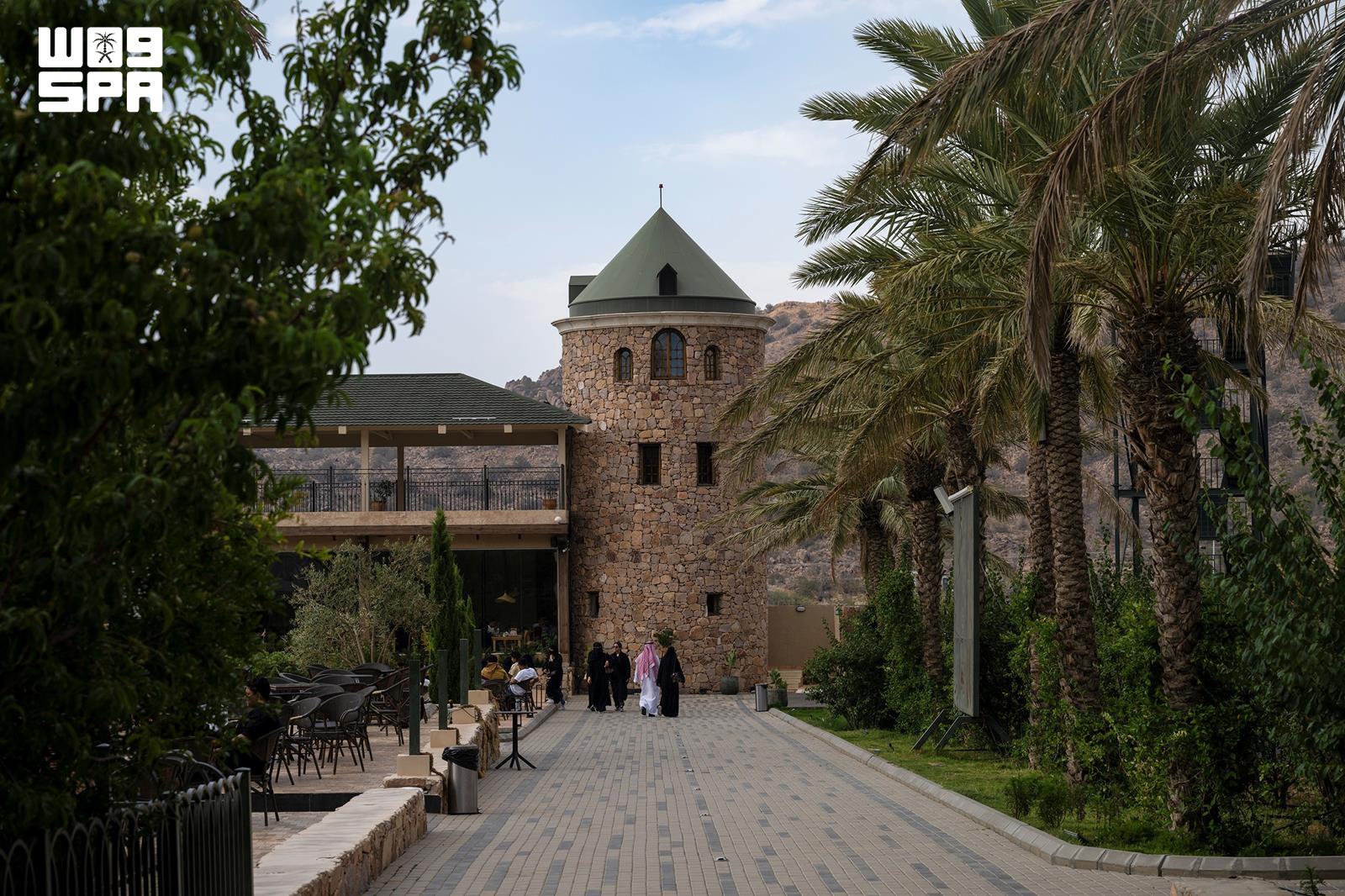
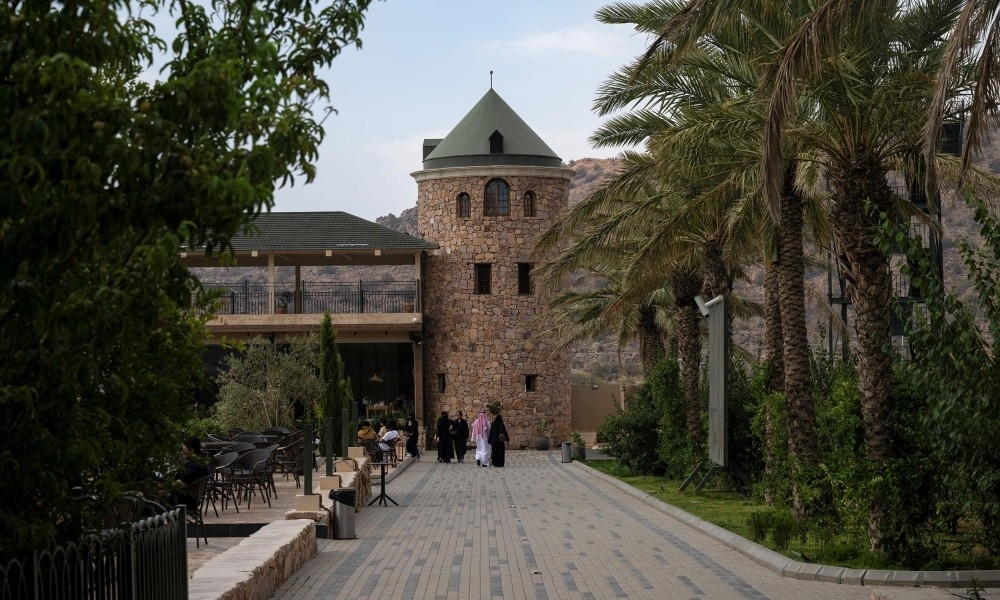
Stone architecture in Taif Governorate is one of the most prominent cultural landmarks that reflect the region’s history and urban distinctiveness. Stone houses, castles, and fortresses are scattered across highlands, mountain villages, and valleys, embodying an inherited architectural identity that adapted to the natural environment and has become an important element in enriching the tourist and cultural experience, attracting those interested in heritage and traditional architecture. The stone buildings in Taif vary according to the nature of the terrain, standing out in the highlands of Al-Shafa and Al-Hada, and the Sarawat Mountains, as well as in historical villages along valleys and mountain slopes. They were built from local stones with precise geometric designs, using wood for ceilings and windows, which provided durability and adaptability to the mountain climate for hundreds of years. Dr. Latifa Al-Adwani, head of the Taif History Center, explained to SPA that stone architecture in Taif represents a historical record documenting the social and economic lifestyles that the region witnessed, noting that the diversity of geographical environments led to the emergence of multiple architectural schools that differed in details but maintained the unity of Taif’s urban identity. She stated that stone houses were not just residences but included defensive towers, castles, councils, grain stores, and agricultural structures, all designed to suit the nature of the mountains and valleys and to make use of local environmental elements. She emphasized that this diversity gave Taif a rare architectural richness at the level of the Kingdom. Al-Adwani pointed out that the spread of stone architecture in northern, southern, eastern, and western Taif reflects the depth of human settlement in the governorate and highlights the close relationship between humans and nature, as mountains, valleys, and highlands shaped the urban character, making it an integral part of the region’s cultural identity. She stressed that preserving this architectural heritage, rehabilitating historical villages, and investing in them for tourism contributes to enhancing cultural tourism, enriching the visitor experience, connecting generations with the history of the place, and supporting the local economy by revitalizing traditional crafts, cultural activities, and heritage destinations.
Original source: Al-Mowaten


Comments (0)
Be the first to comment.