Kingdom Highlights Key Sustainable Development Achievements at UN
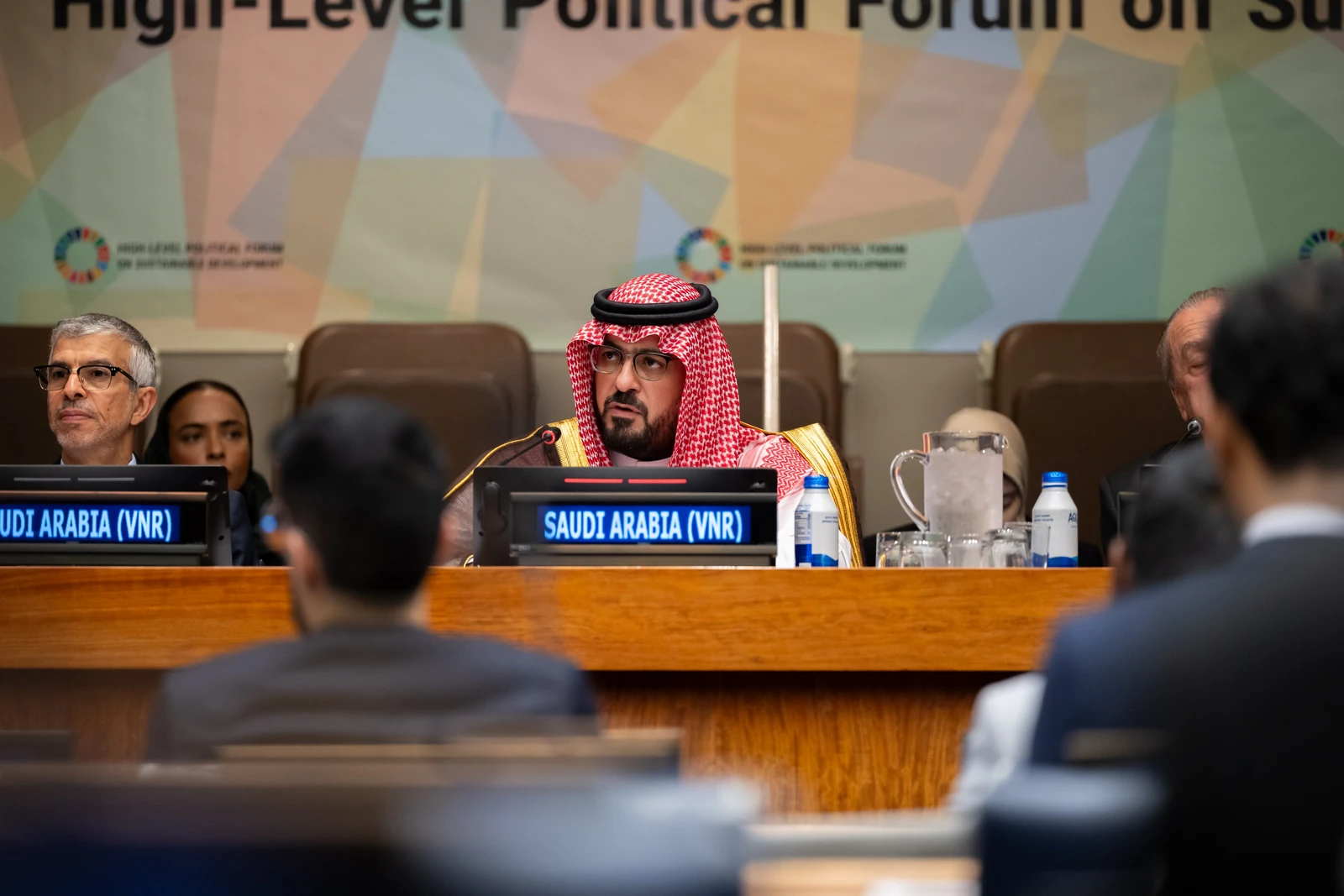
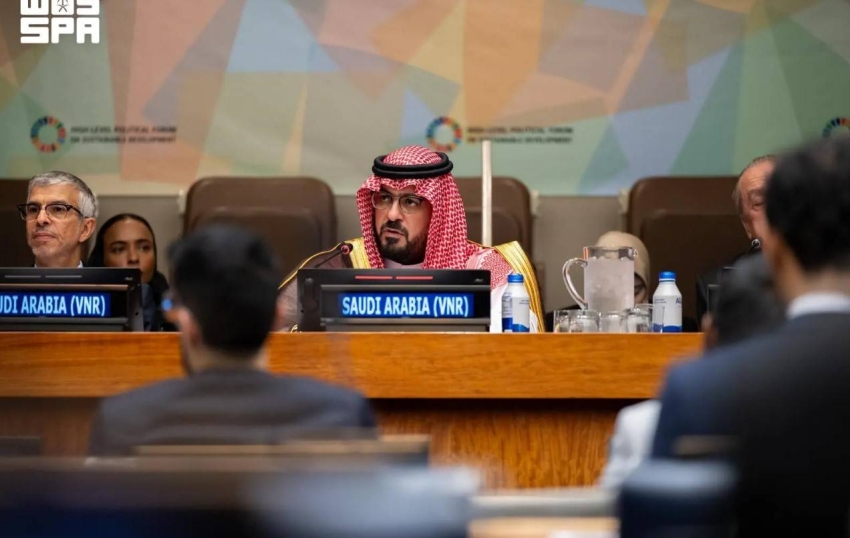
The Kingdom presented its third Voluntary National Review during the United Nations High-Level Political Forum on Sustainable Development, showcasing progress made in implementing the Sustainable Development Goals, following two previous reviews in 2018 and 2023.
Irrigation with non-renewable groundwater decreased to 9.1 billion cubic meters.
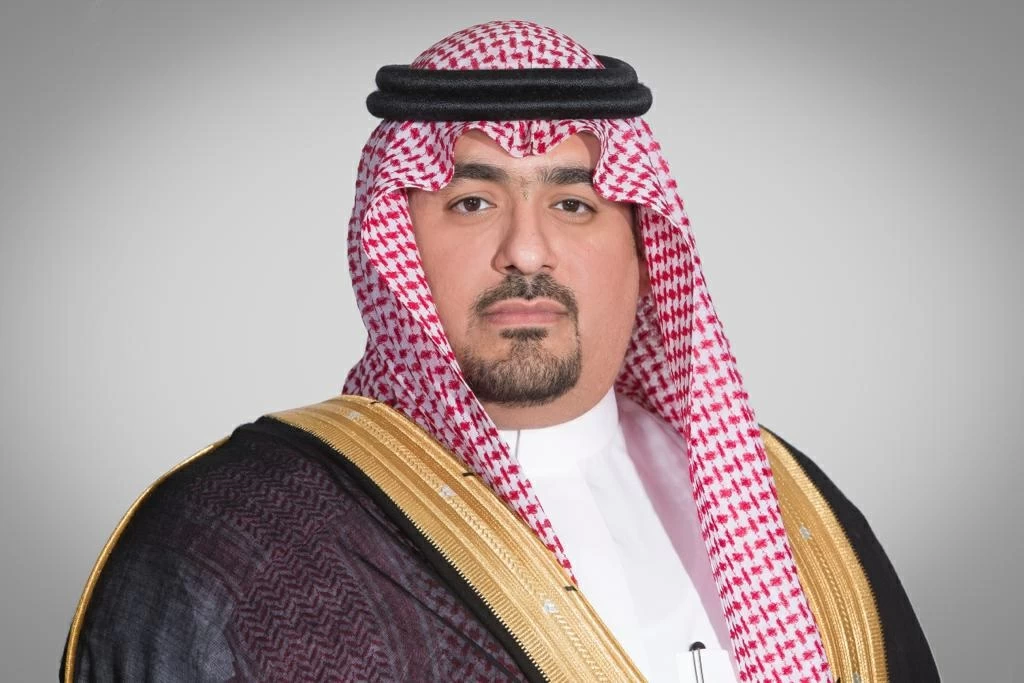
Minister of Economy and Planning Faisal Al-Ibrahim reviewed in his speech the highlights of the report, which comprehensively monitors the Kingdom's progress in implementing the 2030 Sustainable Development Plan, along with lessons learned and future priorities.
The report explained that it was prepared with the participation of more than 140 entities from the public and private sectors, universities, civil society organizations, and international partners, while 36 countries are presenting their national reviews during the current forum session.
He pointed out that the Kingdom has made progress in water and food security, as the use of non-renewable groundwater in agriculture decreased to 9.1 billion cubic meters in 2025 compared to 19 billion cubic meters in 2016, coinciding with an 88% increase in agricultural production to reach 12.6 million tons in 2024.
The production capacity of desalination exceeded 16 million cubic meters per day, irrigation efficiency increased from 53% to 62% between 2016 and 2025, while the reuse of treated wastewater increased from 17.26% in 2019 to 31.95% in 2025.
In the energy and climate action sector, the report affirmed that the Kingdom aims to provide about 50% of total electricity generation capacity from renewable energy sources and energy storage systems by 2030, while the Saudi Green Initiative has succeeded in mobilizing investments exceeding $186 billion, aiming to reduce, avoid, or remove 278 million tons of CO2 equivalent annually by 2030.
Protected areas expanded from 4.33% of the Kingdom's area in 2016 to 18.8% in 2025, with a 13-fold increase in vegetation restoration work and the planting of more than 150 million seedlings, in addition to the Kingdom hosting the Sixteenth Session of the Conference of the Parties to the United Nations Convention to Combat Desertification (COP16), launching the Riyadh Action Agenda for Land Restoration, and chairing the International Coral Reef Initiative.
He pointed to improvements in health and quality of life indicators, as life expectancy rose to 79.7 years in 2024, health coverage increased from 84% in 2019 to 97% in 2024, traffic accident deaths decreased by 57% compared to 2016, and 16 Saudi cities received 'Healthy Cities' designation from the World Health Organization.
Women's participation in the labor market reached 34.2%.
The proportion of out-of-school children decreased from 3.41% in 2021 to 0.53% in 2024, and women's participation in the labor market reached 34.2% during 2025, surpassing the Vision 2030 target of 30%, while women held 44.2% of managerial positions.
The Kingdom advanced in urban and economic development, as the Riyadh Metro entered operational service, and six Saudi cities advanced in the 2024 Smart Cities Index, while Medina became the third city globally and the first in the Arab world to receive the Gold Classification for the 'Sustainable Development Goals Cities' program of the UN-Habitat.
The cities of Riyadh, Medina, and Buraidah have completed their local voluntary reviews, and 13 regional plans and more than 80 local plans are being prepared. On the economic front, non-oil exports rose to SAR 515 billion in 2024, an increase of 113% compared to 2016, and the Kingdom moved from 32nd to 17th place in the Global Competitiveness Index between 2023 and 2025, ranking fourth among G20 countries.
The number of small and medium enterprises exceeded 1.68 million by the end of the first quarter of 2025, and GDP surpassed one trillion dollars in 2023, with real GDP growth of 4.5% in the fourth quarter of 2025 year-on-year, the Saudi unemployment rate falling to 7% by the end of 2024, and more than 562,000 citizens entering private sector jobs during 2025, an annual increase of 29%.
Original source: Akhbaar24


Comments (0)
Be the first to comment.