The Vital State and the Race for Competencies
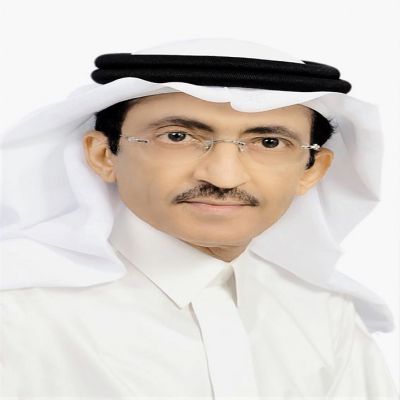
Hamoud Abu Talib
The Vital State and the Race for Competencies
14 July 2026 - 00:01 | Last updated 14 July 2026 - 00:01
--:--
Follow Okaz channel on WhatsApp
The aspiring state is characterized by vitality and continuous movement, and objective evaluation of the performance of its institutions, without burying its head in the sand upon discovering mistakes or relaxing when achievements are made. Therefore, it is in a constant search for the best and for the competencies that can accomplish it, so that everyone is in a race in an open arena to present the utmost that intellect, experience, efficiency, and excellence can offer.
Since the beginning of the national vision phase, we have been living in a situation that is fundamentally different from the past, when positions were almost a long-term honorary grant, and sometimes for life, without evaluating the output of that position. Consequently, its holder lives in a state of great relaxation in addition to the other benefits acquired through it. Accountability, evaluation, oversight, goals, and indicators are all absent except in rare instances. In cases of proven deficiencies, corruption, and malfeasance, the final reward is merely leaving the position, and God forgives what has passed.
Once, I asked a senior official how things were going while working with the Crown Prince's team. He whispered in my ear, saying, "God help those who work with him; because his aspirations are higher than the expectations of any official, and there is absolutely no tolerance for shortcomings. You may enter a meeting while holding your position and leave the meeting having lost it if you exhaust the available time to achieve what is required from the entity you manage or fail to correct the mistakes that occurred." Competencies are abundant, so no official should think that their selection means they are the only one of their kind in their time and place.
From time to time, decisions are issued for new appointments, dismissals, position rotations, and the merging or separation of entities in ways that were not customary in the past. This is a healthy phenomenon that indicates vitality and a sense of responsibility for evaluating and monitoring the performance of all state institutions. It carries implicit messages that the nation is rich in competencies; those who can bear the responsibility according to the requirements of the stage will find their place to participate in the journey, and to those whose responsibilities exceed their capabilities, we say, thank you, and we have many others.
Original source: Okaz






Comments (0)
Be the first to comment.