Kuwait repels aerial attacks for second time on Tuesday
Amid military confrontation between the US and Iran
Istanbul / Anadolu
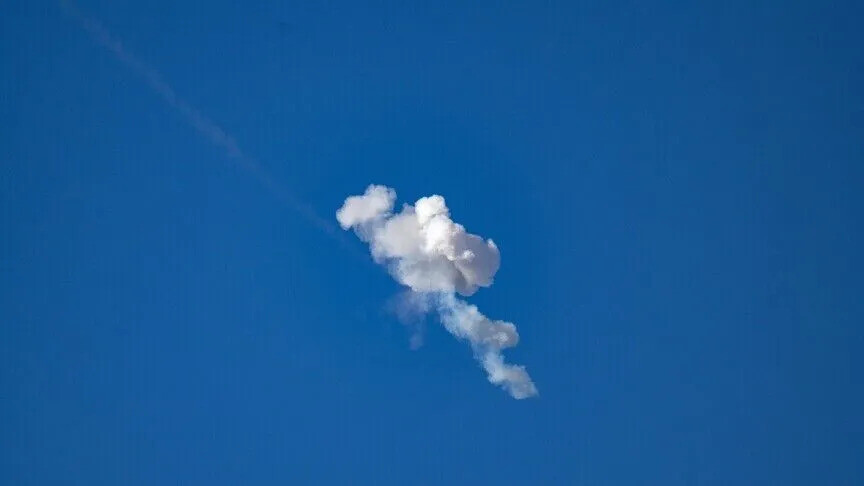
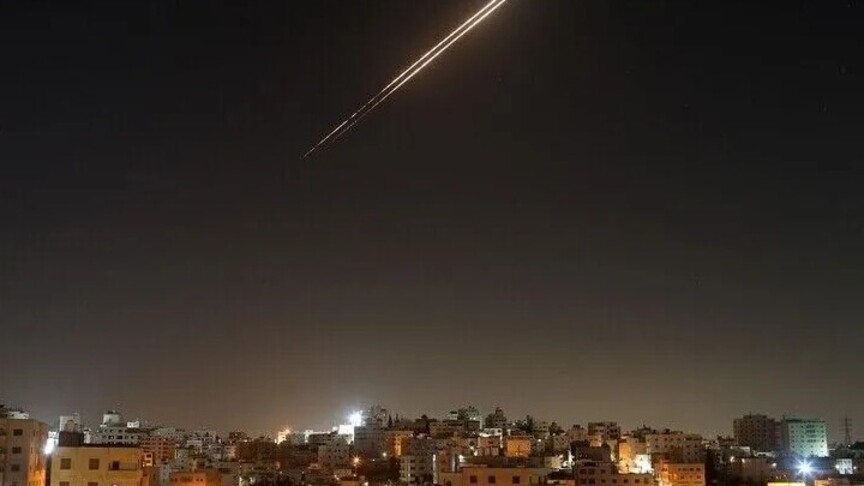
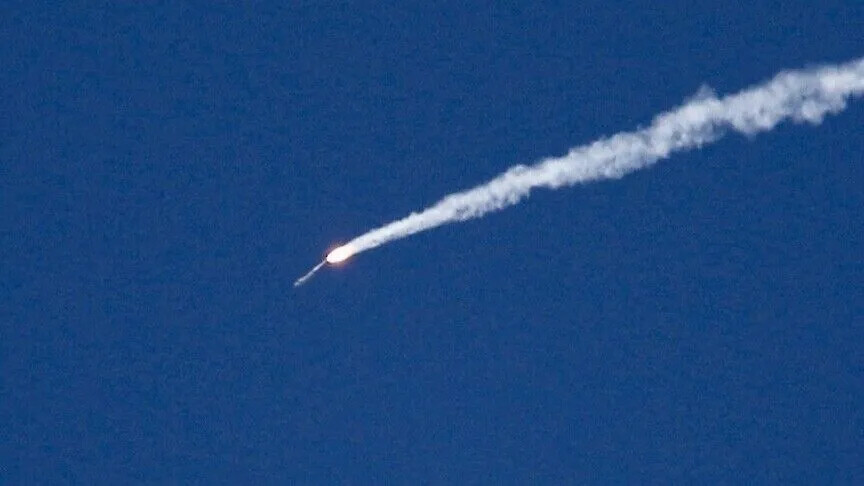
Kuwait announced for the second time on Tuesday that it repelled aerial attacks, amid continued military escalation between Washington and Tehran.
This repulsion comes amid escalating regional tensions between the United States and Iran, which include mutual attacks in the region.
The Kuwaiti Armed Forces announced in a post on their account on the 'X' platform on Tuesday afternoon that they were intercepting 'hostile aerial targets' within the country's airspace.
It clarified that the sounds of explosions, if heard, result from air defense systems intercepting the attacks, calling on everyone to adhere to the security and safety instructions issued by the competent authorities.
The Government Communication Center reported via the 'X' platform that the Ministry of Defense clarified that the attacks were carried out using 'hostile missiles and drones'.
For his part, the official spokesperson for the Ministry of Defense, Colonel Staff Brigadier Saud Al-Atwan, said in a statement that 'the armed forces are dealing with hostile attacks targeting the country, and are currently conducting interception and repulsion operations.'
The armed forces urged citizens and residents, according to the statement, not to approach any debris, parts, or remnants resulting from the fall of missiles or drones, and not to touch or photograph them.
It also called for not publishing or circulating any images or video clips of damaged sites or locations of shrapnel falls and remnants of interception operations on social media.
Earlier on Tuesday, Jordan announced the downing of 4 missiles 'coming from Iran', while both Kuwait and Bahrain reported repelling aerial attacks, against the backdrop of military escalation between the United States and Iran.
For days, the United States has been launching attacks on Iran, claiming retaliation for Tehran targeting commercial ships in the Strait of Hormuz.
In response, Tehran retaliates by striking what it says are US military installations in Arab countries, while some of those countries have announced that the Iranian attacks resulted in civilian casualties and damaged civilian facilities.
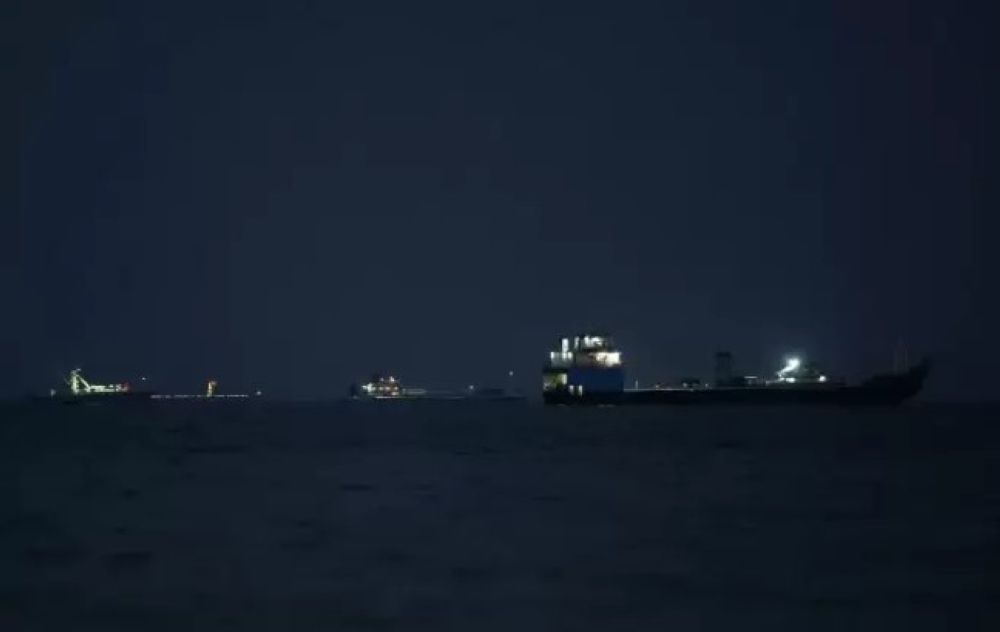
Iran targets any vessel attempting to transit the Strait of Hormuz, a strategic corridor for global energy supplies, without coordinating with it or when passing through a route other than the one it specifies.
On Saturday, Oman and Iran agreed to continue talks on ensuring navigation safety and freedom of transit in the strait, amid reports that Muscat is preparing a proposal to regulate vessel passage through two routes with separate arrangements.
On Friday, Washington demanded that Tehran provide a public pledge not to target ships in the Strait of Hormuz and to keep all its channels open for commercial navigation, according to US media citing unnamed officials.
The Strait of Hormuz region is experiencing security tensions against the backdrop of the war launched by the United States and Israel on Iran on February 28, 2026.
Washington and Tehran had signed, last June, a memorandum of understanding that included a ceasefire, following Qatari and Pakistani mediation, paving the way for a final agreement to end the war, before US President Donald Trump announced on July 8 that the ceasefire had ended amid renewed escalation.
These repeated interception operations confirm the state of maximum alert in the Gulf countries. They also highlight the importance of regional defense cooperation in light of common threats. This wave of escalation is expected to continue unless diplomatic efforts succeed in containing the crisis.
Original source: Anadolu Agency

Comments (0)
Be the first to comment.