Analysis: Two reasons behind Iran's continued display of firepower in the Gulf
Analysis by CNN's Brad Lendon
(CNN) -- Iran claimed it targeted US installations and partners across the Middle East on Friday, launching what appears to be its largest retaliatory operation since the ceasefire collapsed nearly a week ago.
US forces have been striking intense blows against Iran - sometimes more than once a day - over the past six days, which Washington says are in response to Tehran targeting commercial vessels in the Strait of Hormuz and its failure to abide by the terms of the memorandum of understanding that was supposed to form a framework for lasting peace.
That agreement is now up in the air, and the Iranian military - which the Trump administration repeatedly said had been dealt devastating blows - retains its striking power.
According to previous CNN reports, Tehran may still have thousands of drones and missiles in its arsenal, enough to sustain this pace of attacks for a long time.
By early April, the US Department of Defense (Pentagon) stated that Iranian missile and drone attacks had dropped by 90% since the war began in late February. However, precise figures on the size of Iran's arsenal of missiles and drones at the start of the war, or how many have been used or destroyed since then, were not available.
Just before the ceasefire began in April, Tehran still had thousands of drones and about half of its missile launchers intact, according to a CNN report based on sources briefed on US intelligence.
By late May, Iran had resumed drone production and began replacing missile launch sites and platforms that had been destroyed earlier in the war, according to sources cited by CNN.
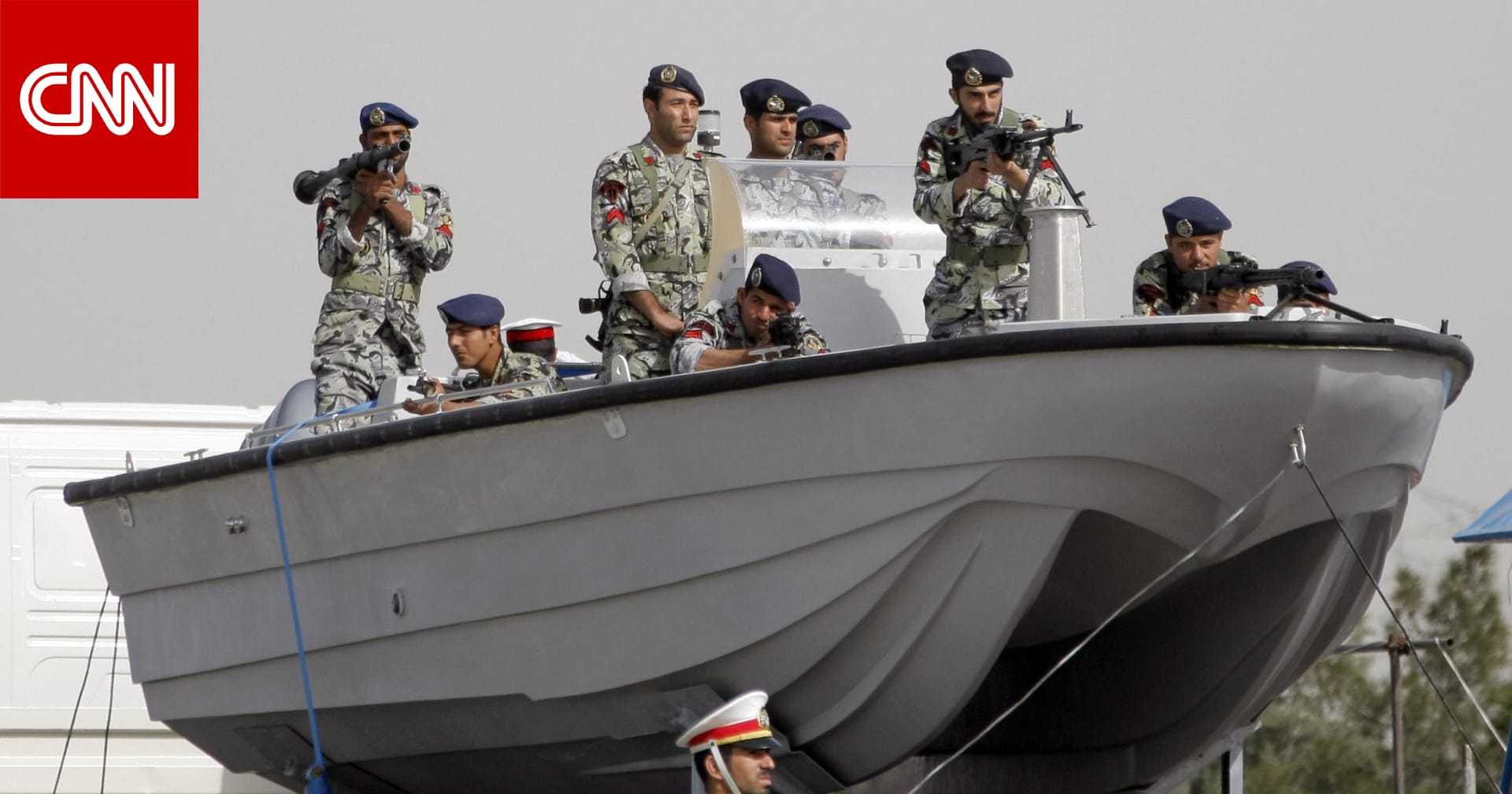
Analysts point to two reasons behind Iran's display of firepower in the Middle East: destabilizing the region and keeping the Strait of Hormuz effectively closed, thereby cutting off about 20% of the global oil supply that used to pass through it before the war. And Iran does not need a huge stockpile of drones and missiles to do that. By Thursday evening in the Gulf region, Iran's moves over the past six days appeared to have achieved the desired results, as only three ships transited the Strait of Hormuz in the past 24 hours, according to open-source data from the ship-tracking website 'MarineTraffic'.
Compare that to pre-war rates, where the average number of ships crossing the strait per day was about 110 ships.
Original source: CNN Arabic





Comments (0)
Be the first to comment.