Araghchi on Khamenei's killing: The security gap still exists... and this is what happened to the missile system
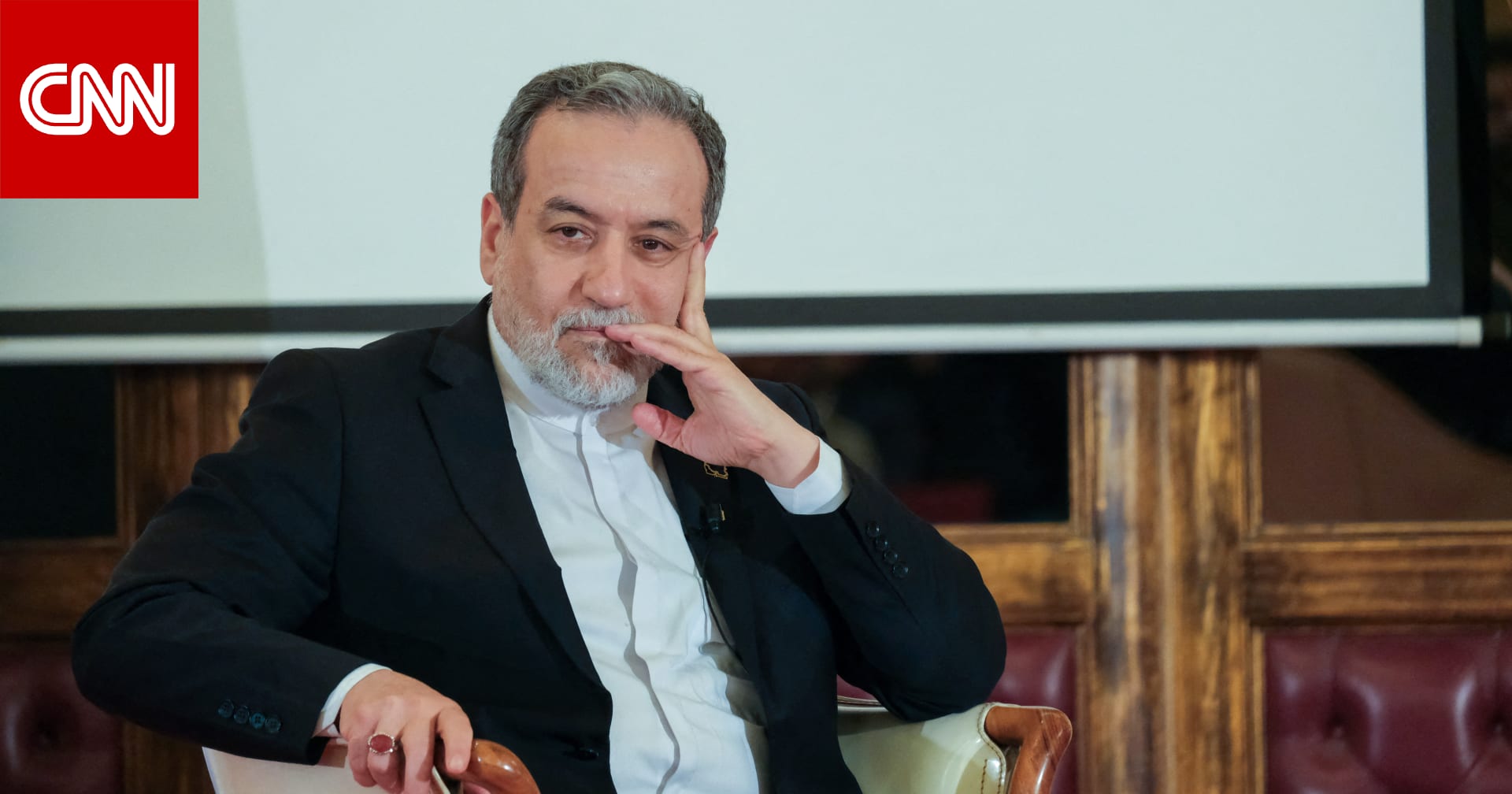
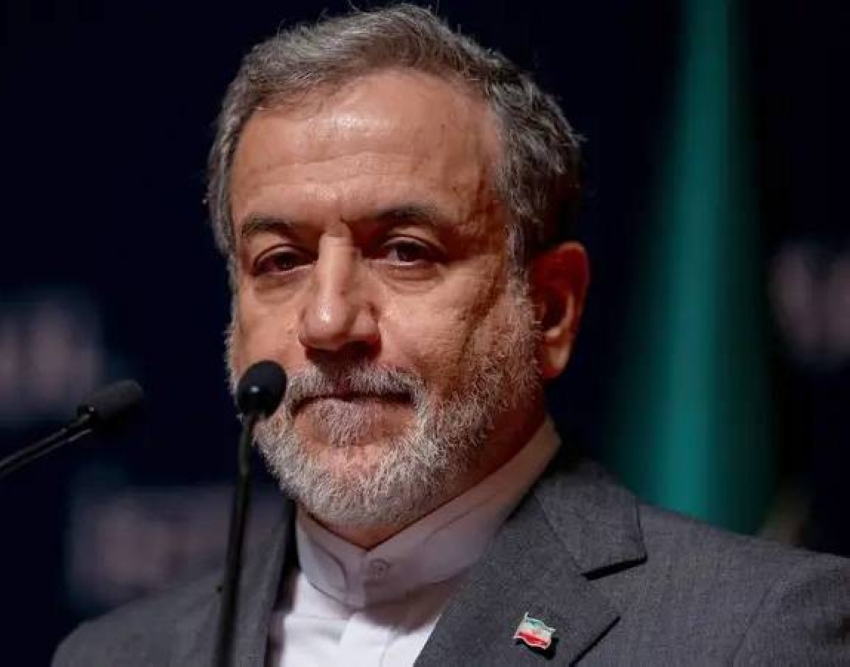
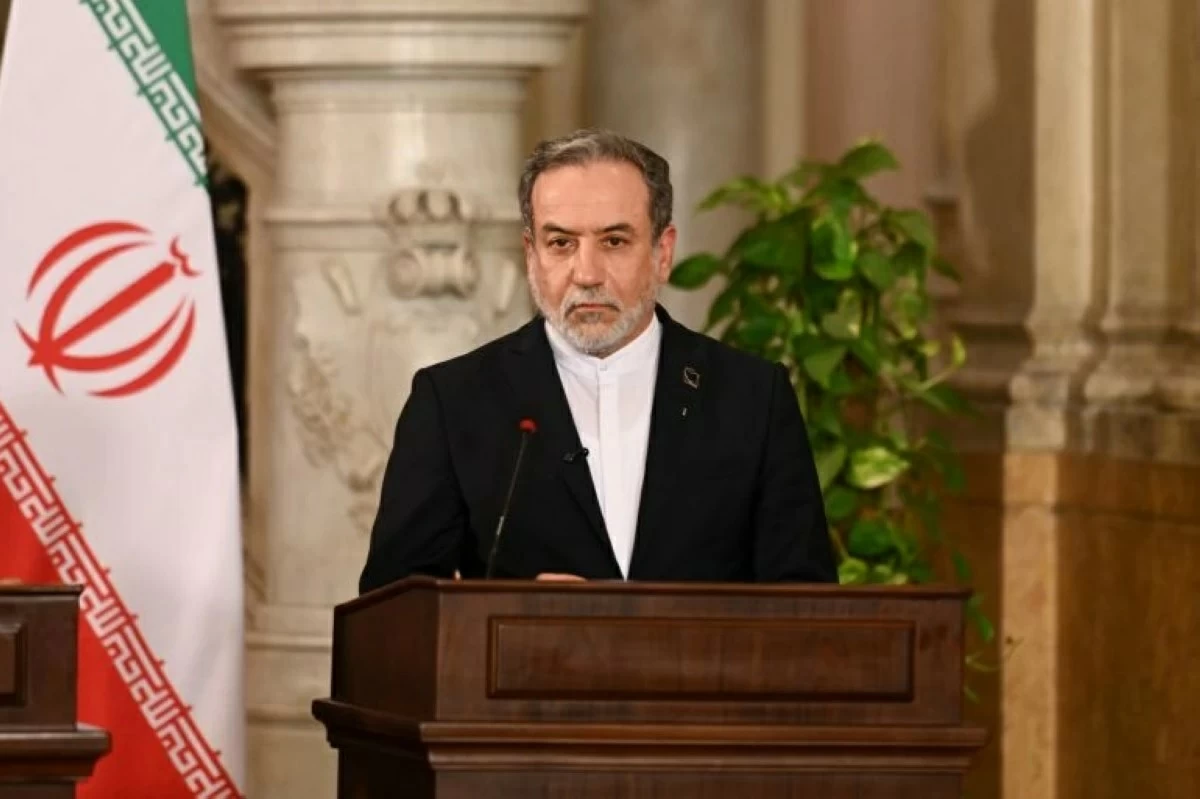
Iranian Foreign Minister Abbas Araghchi said he has not yet met with the new Supreme Leader of Iran, Mojtaba Khamenei, since his appointment in March.
Credit: COURTNEY BONNEAU/Middle East Images/AFP via Getty Images
(CNN) -- Iran's Foreign Minister Abbas Araghchi said he has not yet met with the new Supreme Leader of Iran, Mojtaba Khamenei, since his appointment in March.
In an interview with Iranian podcast host and documentary filmmaker Javad Moghoyei, covering a wide range of issues, Araghchi also said that the security gaps that allowed Israel to target Iranian leadership at the onset of the war still exist.
Below are the highlights of his conversation with Javad Moghoyei:
Before the war: Araghchi, speaking about the negotiations he held with U.S. envoys Steve Witkoff and Jared Kushner in February, said: "I told Witkoff: Have you ever attended a meeting where you could be bombed at any moment?"
U.S. and Israeli strikes: Araghchi said that the bombing of the command compound in Tehran, which killed Supreme Leader Ali Khamenei and a large number of his family members in February, "was carried out through a security gap, and this security gap still exists." He added: "From the first day, plans were made to close the Strait of Hormuz if the leader was targeted."
When he learned of Ali Khamenei's death: He said: "I immediately contacted the foreign ministries of regional countries and said: We will target U.S. military bases; and you must understand that this action is directed against the United States."
Mojtaba Khamenei: Araghchi said: "I have not yet personally met with Mr. (Leader) Mojtaba during his tenure. Only very few people have met him."
Military readiness: He said: "During the eight months between the two wars (June 2025 and February 2026), the Iranian missile launch system was modified so that our missiles will not run out no matter how many we fire."
During the war: He said: "My deputy foreign ministers and I did not leave the ministry building. We spent several hours a day moving around the city in a car, and I never parted with my mobile phone."
Next steps: He said: "If we do not have the ability to achieve a decisive military victory, we must negotiate. Negotiations should be conducted when you have the upper hand on the military front."
Original source: CNN Arabic

Comments (0)
Be the first to comment.