US Army concludes wave of precision strikes against Iran

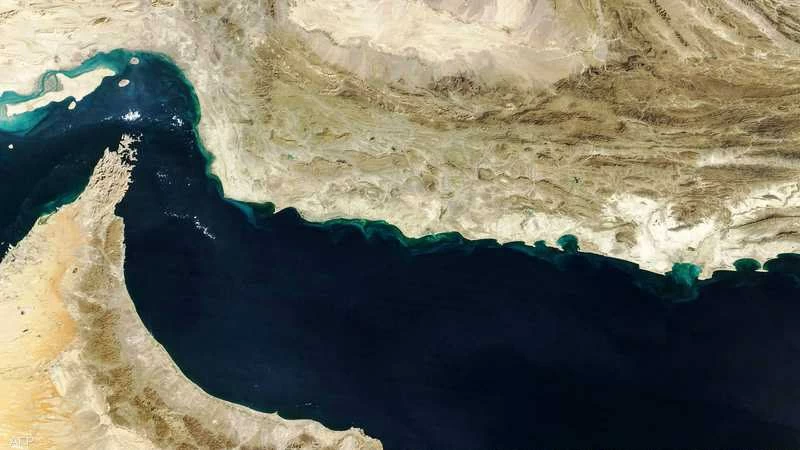
The US Central Command (CENTCOM) announced the end of a new wave of strikes against Iran, targeting dozens of sites in multiple areas using precision munitions, as part of operations it said aim to undermine Tehran's ability to continue targeting ships and international navigation in the Strait of Hormuz.
CENTCOM explained that the strikes, carried out on July 12, targeted for the first time Iranian military air defense systems, along with coastal radar sites, missile capabilities, and platforms for launching drones and small boats.
US fighter jets, warships, and one-way attack aerial and maritime drones participated in the operations, indicating the expansion of the campaign and the diversity of assets used.
The US command affirmed that forces deployed in the region are fully ready to ensure continued freedom of navigation for commercial vessels in the Strait of Hormuz, accusing Iran of continuing what it called 'unprovoked aggression, harassment, and threats'.
Related news
It added that Iran does not control the Strait of Hormuz, stressing that the waterway must remain open to international trade.
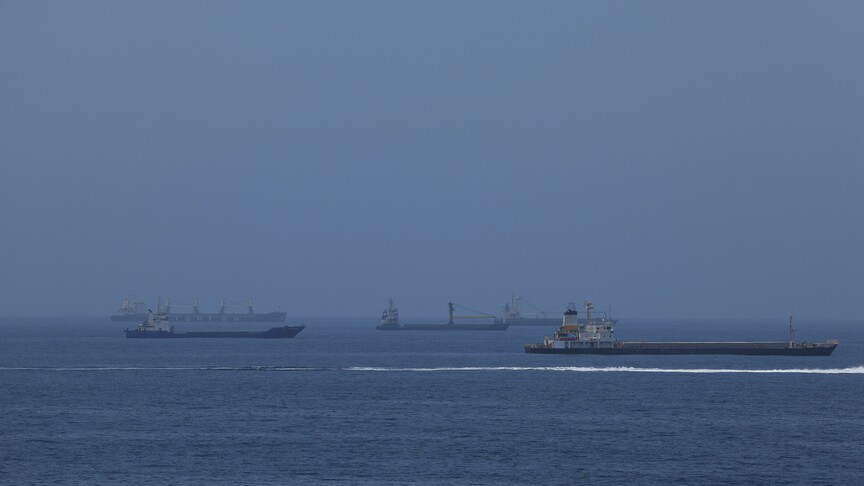
The new wave came after mutual escalation between Washington and Tehran, which included targeting commercial ships in the strait and Iran's announcement of restrictions on transit routes, while the United States affirmed that navigation continues under the protection of its forces.
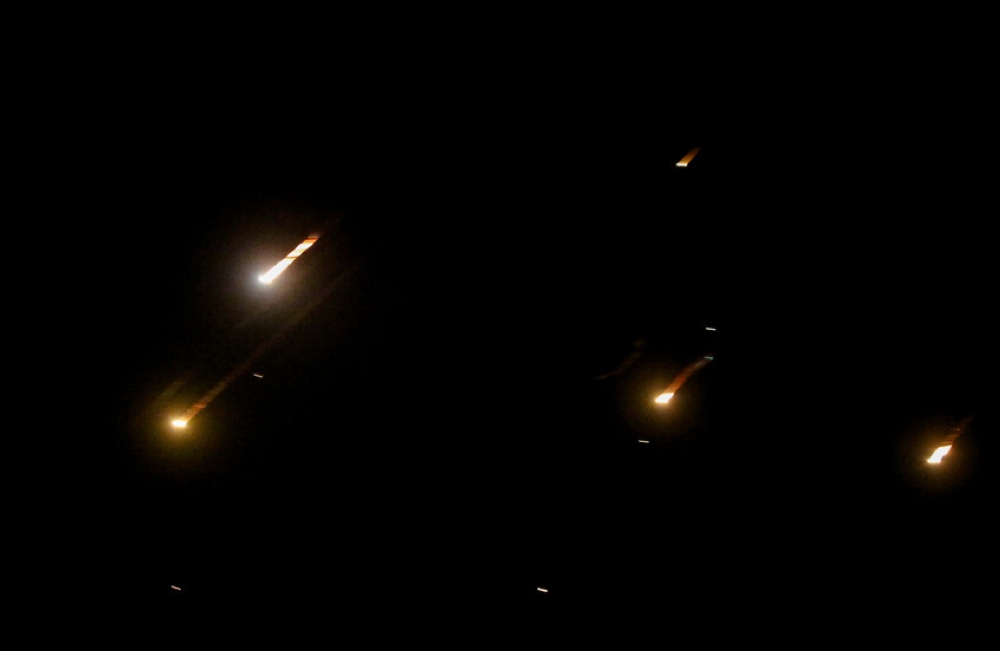
The US military also announced in the past hours the interception of an Iranian cruise missile and a drone, after Iranian Revolutionary Guard forces opened fire on commercial ships crossing the strait.
Related news
In response, Iran announced that the US strikes thwarted diplomatic efforts made over the past months, and accused Washington of violating the memorandum of understanding between the two sides and bringing tensions back to the Strait of Hormuz.
The strikes coincided with Iranian reports of explosions in Bandar Abbas, Qeshm Island, Jask, Sirik, Bushehr, and Khuzestan, where Iranian authorities announced the death of one person and the injury of four others.
The escalation comes at a time when the two sides are exchanging accusations over disrupting international navigation, while fears grow over the expansion of the confrontation and its repercussions on energy supplies and global oil prices.
Original source: Sky News Arabia



Comments (0)
Be the first to comment.