Army Advances and 'Support' Retreats: Stormy Military Shifts in Darfur
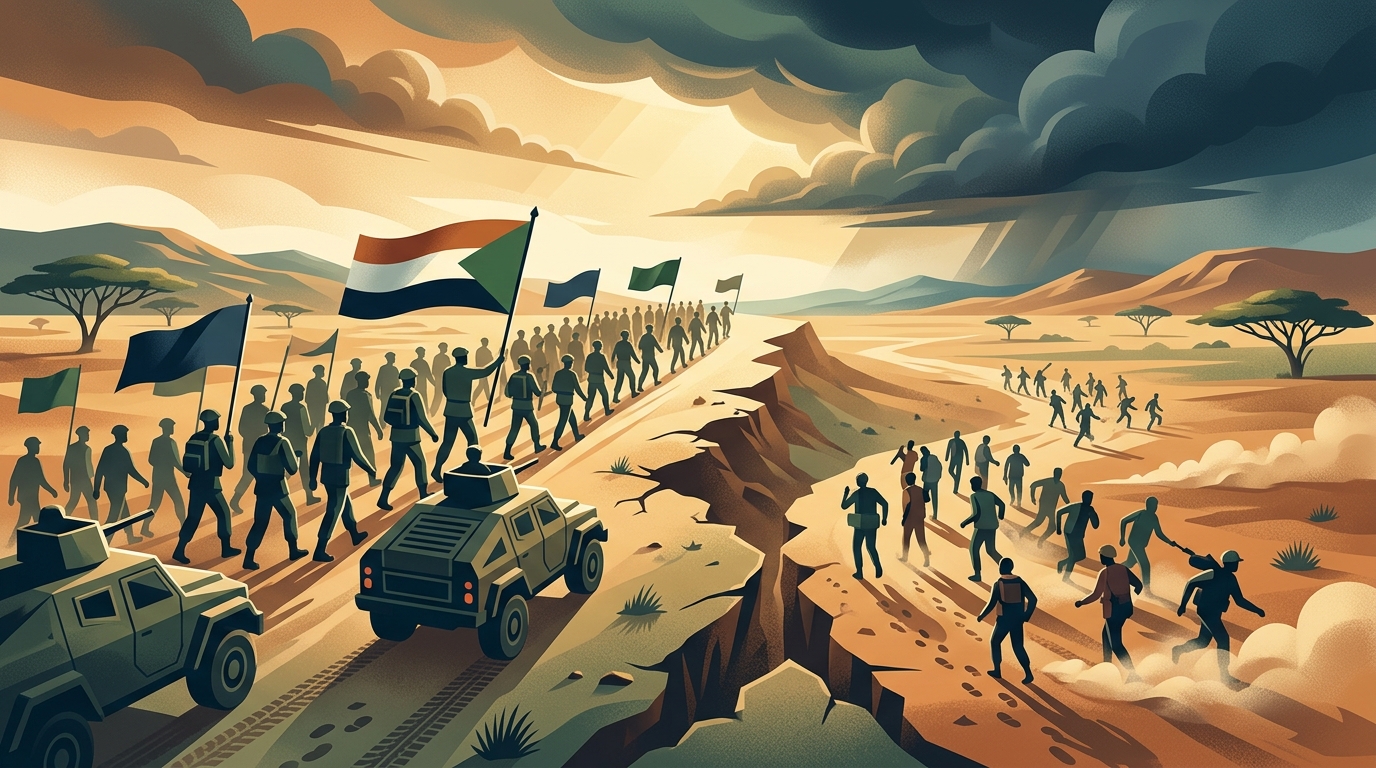
Observers say the army has moved the theater of war to the Darfur region, taking the reins and advancing strongly after a series of recent victories and its approach to recapturing the city of El Geneina, the capital of West Darfur state.
The Darfur region axis witnessed during the past June sudden and rapid field military shifts in the course of battles in favor of the army, joint forces, and other supporting forces, resembling a major military setback for the Rapid Support Forces in the region, as the army and its supporters achieved decisive strategic victories in the Darfur region axis in a short period.
With the success of the Sudanese army in expanding and controlling areas in Darfur that have not witnessed any clashes for more than eight months, what lies behind these stormy field shifts in the military operations theater inside the region?
Tipping the Scales
In a scene that observers say its repetition and continuation could tip the balance of the field military map on the ground, the army and joint forces yesterday managed to continue their advance and extend control over the strategic Wadi Kojak area, preceded in recent weeks by control over the areas of Abu Gumra, the town of Kulbus, Jabal Mun, and then Jabal Um, less than 40 kilometers from the state capital (El Geneina), which is an inherent geographical extension.
Observers believe that if the army continues its advance and manages to recapture the city of El Geneina, the capital of West Darfur state, it would constitute a major strategic development that could change the map of the war in the entire Darfur region.
Reinforcements and Escalation
As the army and its allies continue to advance in this axis and the intensity of clashes and air raids by the army increase, local sources revealed that the Rapid Support Forces pushed unprecedented military reinforcements summoned from West Kordofan, Sirf Umra, and Kabkabiya, deployed in three main axes around the cities of El Geneina and Kulbus, in preparation for a counter-movement to stop the army's military expansion, signaling a violent escalation in West Darfur amid fears of a large wave of forced displacement in those areas.
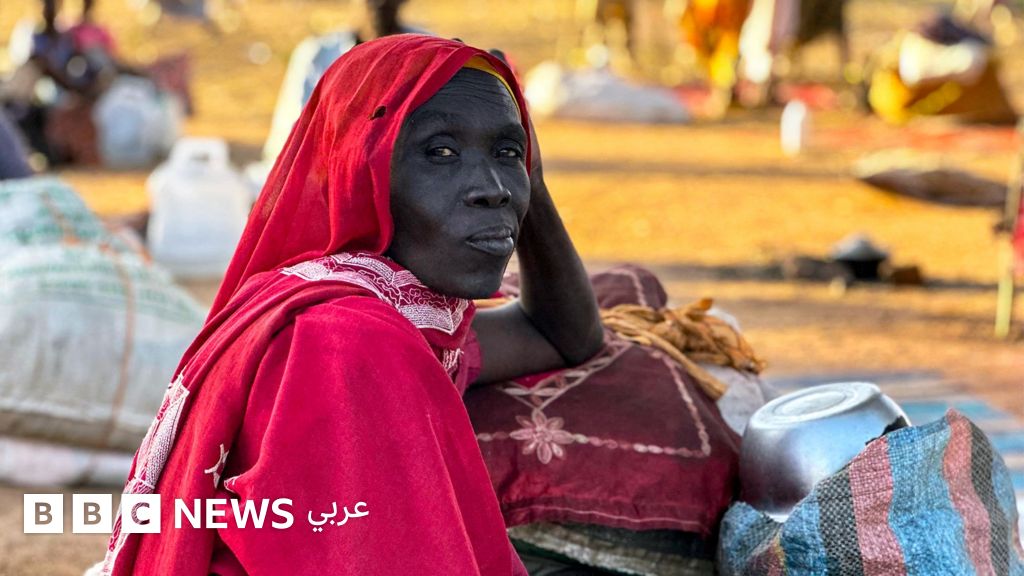
The sources indicated that these developments drove thousands of citizens to flee toward valleys and forests, heading to the Adre border crossing with Chad, amid extremely complex humanitarian conditions.
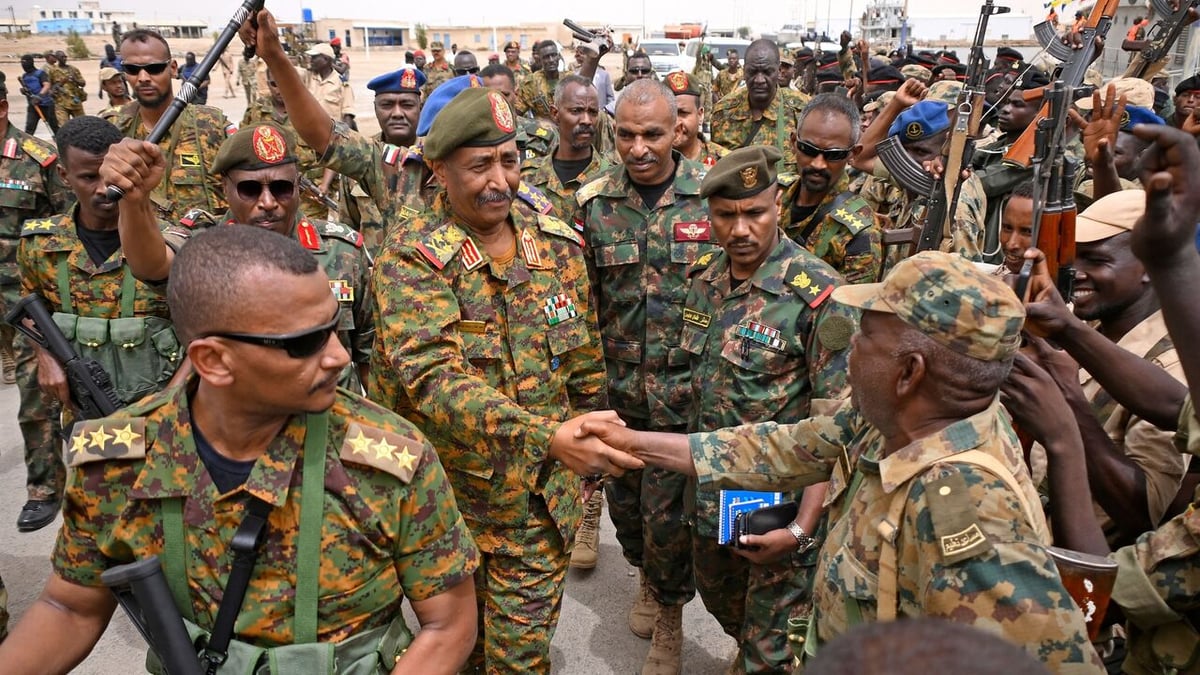
The army moved the theater of war to Darfur and has taken control (AFP)
The Dar Hamar Emergency Room confirmed that the Rapid Support Forces militias withdrew dozens of combat vehicles and fighters from the cities of En Nahud and Al Fulah in West Kordofan, directing them toward Al Fashir and Ad Daein in Darfur.
The Coordination of Al Fashir Resistance Committees confirmed that the Rapid Support Forces moved combat groups from West Kordofan to redeploy in the area between Al Fashir and El Geneina, especially the town of Kulbus, the strategic crossing to the western border with Chad.
Military Predicament
In this context, military and crisis management specialist Amin Ismail Majzoub believes that the army has moved the theater of war to Darfur, taking control and advancing strongly after a series of recent victories and its approach to recapturing the city of El Geneina, the capital of West Darfur state.
According to Majzoub, the army's new direction toward Darfur put the Rapid Support Forces in a major military predicament, making them confused between holding onto Kordofan and losing Darfur, or moving their forces to save the situation in Darfur, thus putting themselves in a pincer between the heavy presence of army forces in the center, north, east, and Darfur as well.
Supply Routes
The military specialist noted that focusing military operations on West Darfur and the border areas with Chad also aimed to cut cross-border supply roads and routes that were a main logistical artery for the Rapid Support Forces, in addition to the extensive attrition they suffered on the Blue Nile region front through drone and air force strikes, weakening and dispersing their forces.
He added, 'The army's success in recent period in developing its capabilities in using drones for reconnaissance and targeting has greatly limited the other side's ability to maneuver and exacerbated its material and human losses, along with restricting its flows of supplies of combat troops, equipment, ammunition, and fuel.'
Fragmentation and Collapse
Majzoub describes the current reality of the Rapid Support Forces as heading toward fragmentation and collapse on the Kordofan, Blue Nile, and Darfur axes, as a result of the success of the army's strategy of attrition warfare on multiple fronts, in addition to defections that erode their cohesion and hit most of their joints, while on the other hand political defeat and international and UN condemnations pursue them, but the Rapid Support Forces still retain offensive capabilities, including drones.
Similarly, security and military researcher Noureddine Awad Al Karim noted that the Rapid Support Forces' buildup of forces around El Obeid came at the expense of their deployment in Darfur, weakening their combat density and imposing great pressures and difficult choices on them regarding keeping their troop concentrations around El Obeid or withdrawing them to maintain their areas of control in Darfur.
Initiative and Vacuum
Al Karim believes that the Rapid Support Forces opening a large front in North Kordofan while maintaining wide fronts in Darfur caused them to lose the initiative in several areas in Darfur, and allowed the army and joint forces to exploit the vacuum and carry out sweeping attacks under heavy air cover, advancing and recapturing vital and sensitive areas and positions such as Kulbus, threatening the Rapid Support Forces' supply lines coming from the western border.
The researcher considers that the Rapid Support Forces' redeployment of some of their forces from Kordofan back and pushing them toward North and West Darfur is an attempt to correct their military miscalculation and save the situation on the Darfur fronts and to compensate for their heavy losses around Al Fashir and El Geneina. He adds, 'The Rapid Support Forces' concentration of large forces in North Kordofan, without balancing their desire to expand with protecting their areas of control and influence in Darfur, distanced them from their supply lines and supply routes on the Chadian border and the Darfur desert, and at the same time gave the army and joint forces the opportunity to launch a counterattack in Darfur.'
Al Karim also believes that the long attrition and continuous battles fought by the Rapid Support Forces for more than three years in Khartoum, Kordofan, and Darfur have consumed their forces and equipment, making it difficult for them to fight on all fronts simultaneously, especially after the army shifted from defense to offense after regaining the initiative in Khartoum and Gezira states, allowing it to allocate larger forces to the Kordofan and Darfur axes.
Disruption and Revenge
Security and military researcher Noureddine Awad Al Karim continues, saying, 'I believe the army planned in advance to prolong the fighting in North Kordofan in a relatively distant perimeter from the outskirts of El Obeid, to benefit from its effects in weakening the Rapid Support Forces' ability to defend their positions in Darfur, and in doing so it worked to ensure its superiority by improving its field coordination with the joint forces and other supporting forces in terms of roles, plans, and intense pressure through aviation on the Rapid Support Forces' supply lines.'
Original source: Independent Arabia
Comments (0)
Be the first to comment.