Iran: We Will Not Open Hormuz Without US Recognition of Our Special Law on the Strait
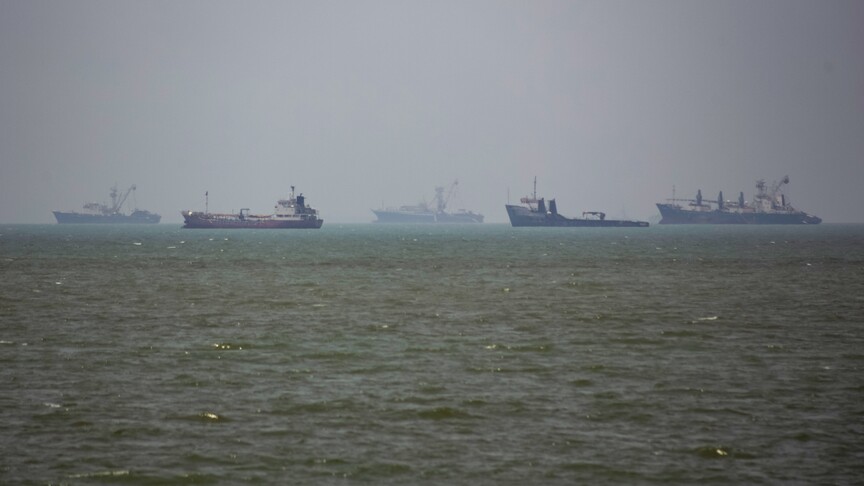
According to Iranian army spokesman Mohammad Akraminia
Ankara / Anatolia
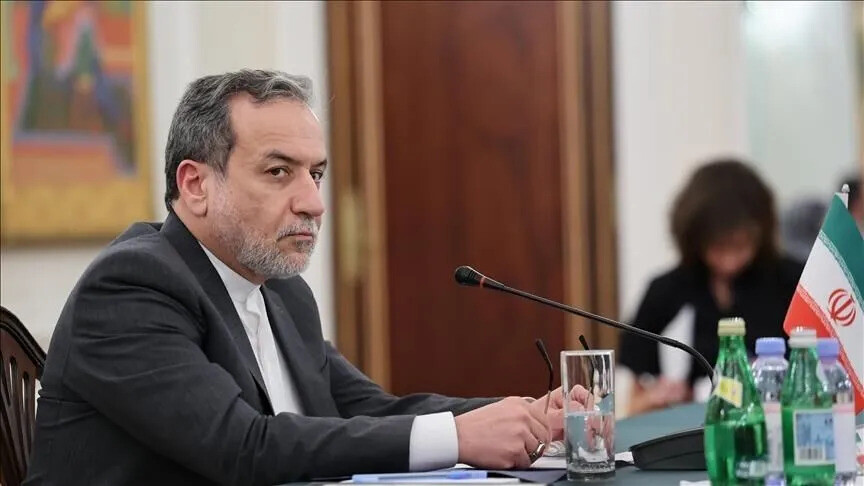
Iranian army spokesman Mohammad Akraminia said Thursday that the Strait of Hormuz will remain closed unless the United States accepts the Iranian legal framework governing the strait.
The official Iranian news agency IRNA quoted Akraminia as saying that control over the Strait of Hormuz has become a 'national demand' for Iran.
He stressed that the armed forces will not back down from defending the rights of the Iranian people.
He said: 'If the United States does not accept the Iranian legal system in the Strait of Hormuz, the strait will remain closed.'
He added: 'We will continue resistance until the end without hesitation, and we will work to thwart American interventions in the region.'
In April 2026, the National Security and Foreign Policy Committee of the Iranian parliament approved a bill titled 'Law on Establishing Iranian Sovereignty over the Strait of Hormuz' and referred it to the parliament for discussion.
Later, parliamentary officials announced that the 'Strait of Hormuz Management' bill had reached its final stages and that the parliament was determined to turn it into law.
During the current month, Iranian lawmakers revived the proposal in parliament amid the escalation with the United States.
In response, Western countries, led by the United States, and international organizations rejected these steps, considering them contrary to the principle of freedom of navigation in international straits.
In a related context, Akraminia touched on Iran's strategy regarding control of the Strait of Hormuz, saying: 'The Americans thought they could control this strategic strait by attacking some of our bases on the country's southern coast.'
He added: 'But Iran has the ability to control the Strait of Hormuz from any point inside its territory, and this is not only related to the coasts or islands.'
On Thursday, the US Central Command (CENTCOM) said in a statement that its forces carried out strikes targeting coastal defense sites and cruise missiles on the Iranian island of Greater Tunb, during a 90-minute wave.
CENTCOM says the strikes aim to continue 'undermining Iran's ability to threaten sailors aboard commercial vessels transiting the Strait of Hormuz.'
In response, Tehran has been retaliating for days by bombarding what it says are US military installations in Arab countries, including Kuwait, Bahrain, and Jordan, while some of these countries announced that the Iranian attacks resulted in civilian casualties and damage to civilian facilities.
On June 18 last, Washington and Tehran signed a memorandum of understanding that included a ceasefire, and began negotiations mediated by Pakistan and Qatar to end the war launched by the United States and Israel on Iran on February 28 last.
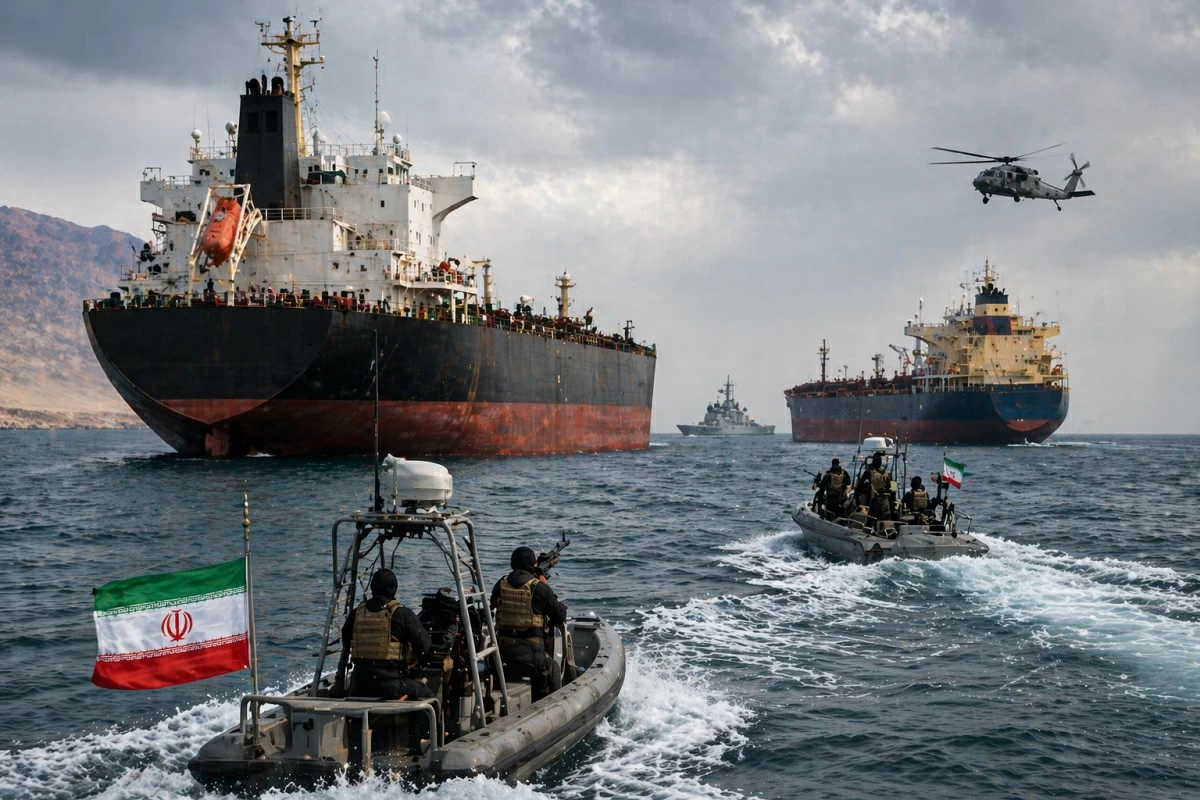
However, US President Donald Trump announced on July 8 the end of the ceasefire following renewed escalation, after Iran attacked three ships a day earlier while they were transiting the Strait of Hormuz, claiming they did not adhere to the navigation route it had set, prompting Washington to respond by launching attacks on sites inside Iran.
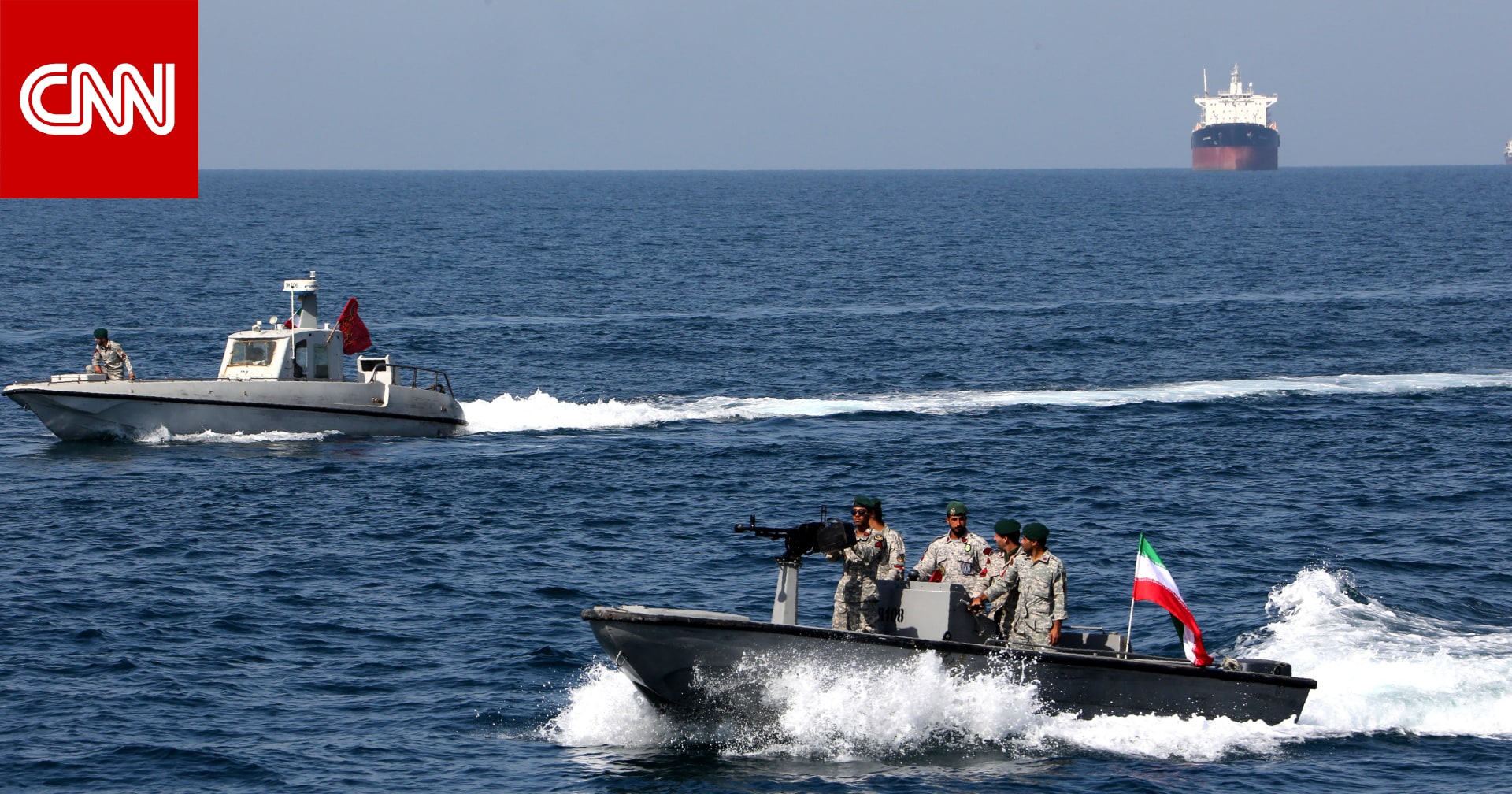
Washington supports the passage of commercial vessels through the Strait of Hormuz on a route different from the one set by Iran, which Tehran rejects, affirming that it targets any ship that does not coordinate with it before crossing the strategic strait for global energy supplies.
Original source: Anadolu Agency

Comments (0)
Be the first to comment.