UN Mission: Rapid Support Forces Carried Out Mass Killings and Rape in Sudan's El Fasher
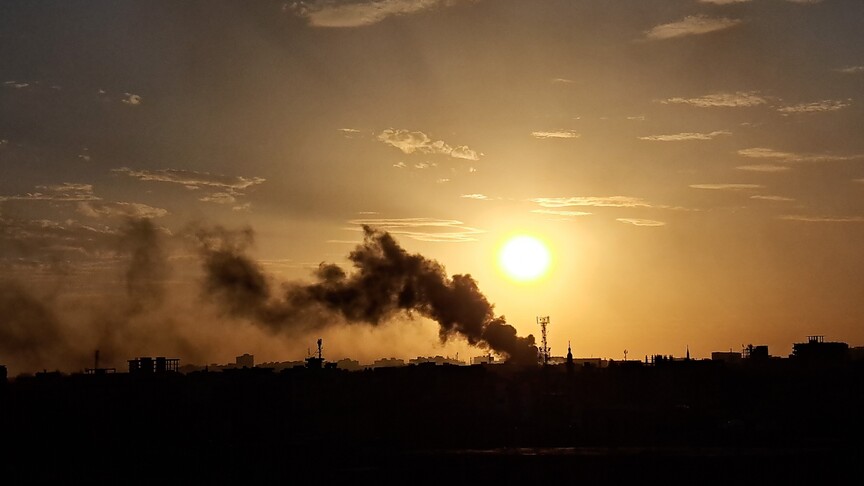
The UN Independent International Fact-Finding Mission for Sudan considered these violations 'clear indicators of genocide,' warning of similar practices in the city of El Obeid, North Kordofan State.
KHARTOUM / Adel Abdel Rahim / Anadolu
The UN Independent International Fact-Finding Mission for Sudan said Wednesday that the Rapid Support Forces carried out 'brutal mass killings' and gang rape of women and girls in the city of El Fasher, North Darfur State in western Sudan, considering these violations 'clear indicators of genocide.'
The mission added, in a new report published by the United Nations, that its latest investigations documented additional evidence of 'atrocities in El Fasher, including detention, torture, hostage-taking for ransom, and enforced disappearance of civilians,' based on its previous report on 'indicators of genocide in El Fasher.'
It stated that the Rapid Support Forces carried out 'brutal mass killings, systematic abduction of women and girls, and gang rape' in El Fasher.
It clarified that these violations 'provide further evidence that the atrocities committed by the warring parties in Sudan are clear indicators of genocide.'
The UN mission warned that similar patterns of violations against civilians 'are currently being committed in the city of El Obeid' in North Kordofan State, central Sudan.
It announced the launch of an 'urgent investigation' into any alleged human rights violations or abuses and international law in the city and surrounding areas.
The head of the Fact-Finding Mission, Mohamed Chande Othman, said: 'Our investigations not only provide the evidentiary basis for our conclusions on El Fasher, but also reflect the mission's continued investigations into violations that have devastated local communities across Darfur.'
He added that the patterns documented by the mission in El Fasher, which include 'encirclement, attacks on civilian infrastructure, restrictions on humanitarian aid access, and widespread violations against civilians,' represent a 'stark warning.'
Othman called on the international community to 'act to prevent further disasters' in Sudan.
The mission noted that its latest report comes at a time of growing concern over the situation in El Obeid, where more than 500,000 residents and over 100,000 internally displaced persons face deteriorating security conditions, along with attacks on critical infrastructure and restrictions on access to basic services.
It pointed out that the UN Human Rights Council adopted, on July 6, 2026, a resolution expressing 'grave concern' over the risk of widespread atrocities by the Rapid Support Forces in El Obeid and its surroundings, and tasked the mission with conducting an urgent investigation into alleged violations of international human rights law and international humanitarian law.
The mission stressed that similar indicators preceded widespread atrocities in other parts of Sudan, calling for immediate action to protect civilians and ensure accountability, including immediate cooperation with the International Criminal Court.
It affirmed that it will continue its investigations and provide periodic reports on the situation in El Obeid and surrounding areas to the Human Rights Council and the UN General Assembly.
The Rapid Support Forces had taken control of El Fasher on October 26, 2025, according to what it announced at the time, while local and international institutions spoke of massacres against civilians.
Three days later, Rapid Support Forces commander Mohamed Hamdan Daglo acknowledged 'excesses' by his forces in the city, announcing the formation of investigation committees, which have not yet issued any report.
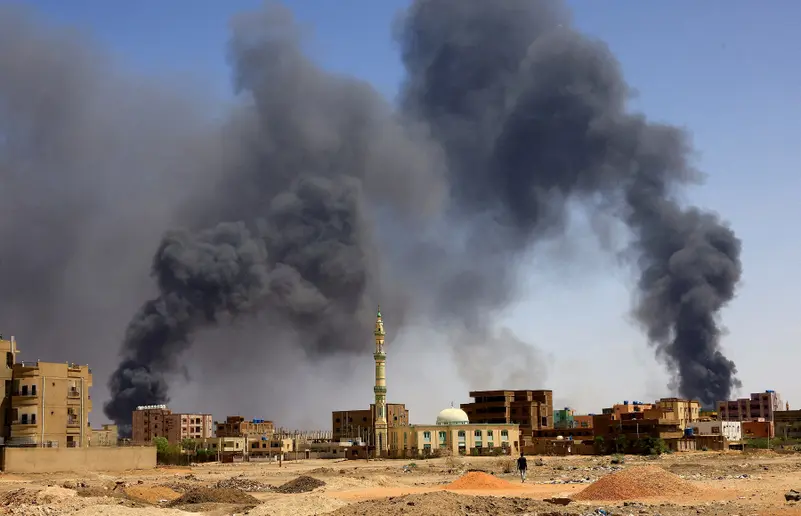
For about a month, the city of El Obeid has been subjected to drone attacks attributed by Sudanese authorities to the Rapid Support Forces, targeting the main power station, fuel stations, and other civilian sites, resulting in deaths and injuries.
On May 12, 2026, the United Nations warned of escalating drone attacks in the Kordofan region, saying they had killed at least 880 civilians between January and April 2026.
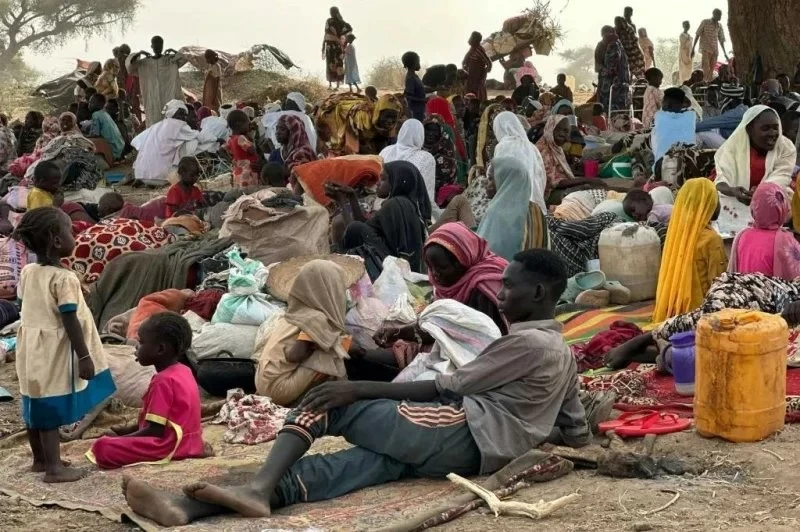
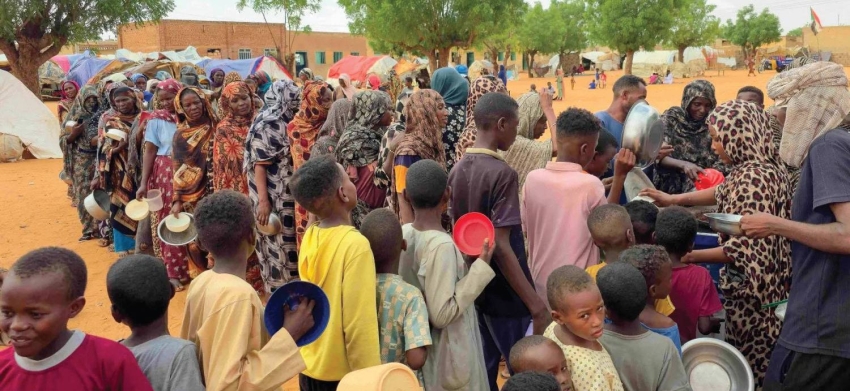
Since April 2023, Sudan has been witnessing a war between the army and the Rapid Support Forces, which has left tens of thousands dead and nearly 13 million displaced, exacerbating one of 'the worst humanitarian crises in the world,' according to UN estimates.
Original source: Anadolu Agency

Comments (0)
Be the first to comment.