Corruption Cases in Iraq: Arrest Campaign Targets MPs and Former Deputies
The step, described by observers as 'rare', comes as part of an anti-corruption campaign to pursue those involved in embezzlement of state funds, led by Iraqi Prime Minister Ali al-Zaidi.
What is the 'Dawn Raid' campaign launched by the Iraqi government?
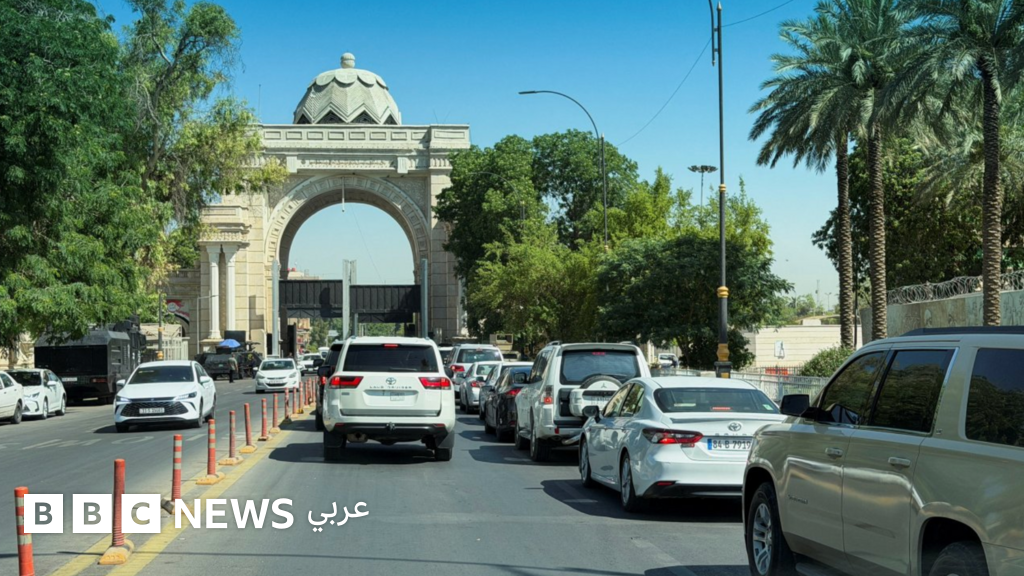
Image caption, The Green Zone in central Baghdad witnessed a lockdown and deployment of counter-terrorism forces hours before the arrest campaign.
Published 28 June 2026
Last updated 29 June 2026
Reading time: 5 minutes
The spokesman for the Iraqi government, Haider al-Aboudi, said the government is pressing ahead with fighting corruption and protecting public funds, noting that 21 suspects were arrested in an operation he described as 'Dawn Raid'.
Al-Aboudi said during a press conference that the arrest warrants resulted in the detention of 21 suspects, while a number of individuals remain at large and specialized agencies are continuing search operations for them.
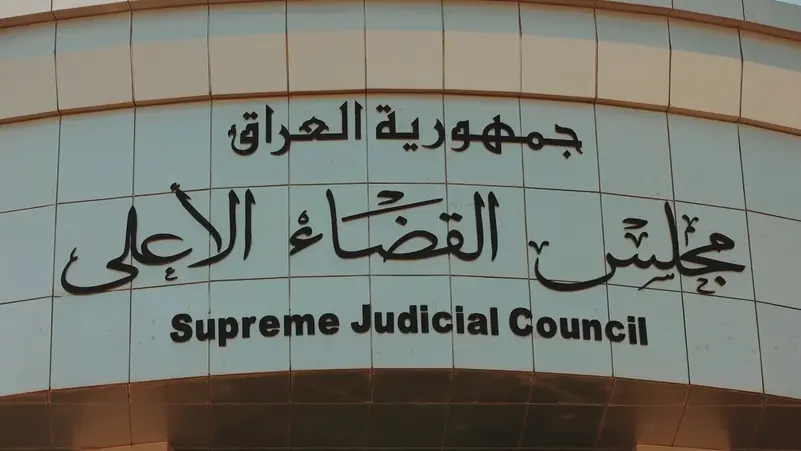
Al-Aboudi clarified that investigations led to the uncovering of a network of suspects and manipulators of public funds, adding that the 'Dawn Raid' operation achieved fruitful results and was carried out in coordination with the Supreme Judicial Council and the Council of Representatives.
He asserted that the 'Dawn Raid' operation was based on confessions of the accused Adnan al-Jumaili, which he gave during investigations and revealed the involvement of political and parliamentary figures, stressing that the operation 'has nothing to do with the Prime Minister's visit to Washington next month'.
As for Iraqi Prime Minister Ali al-Zaidi, he said during a cabinet session early Monday that 'the government will continue its efforts to combat corruption to recover public funds', emphasizing that there is no leniency in his responsibility 'entrusted to protect the interests of the Iraqi people'.
During the session, the Prime Minister tasked oversight bodies with receiving any indicators related to government or ministerial performance, in order to uncover cases of corruption or negligence.
Leader of the National Trend, Muqtada al-Sadr, praised the arrest campaign carried out by the government, considering it a 'heroic' step that would inspire hope among Iraqis and bolster anti-corruption efforts.
Al-Sadr called for dedicating next Friday's sermon to talk about corruption, and that the prayer be held under the slogan: 'Yes to Islam... and humiliation is far from us', asserting that 'Islam has forbidden corruption and injustice, and declaring innocence from them is a religious duty'.
Skip most read and continue reading
Do you really need to avoid gluten?
Ukraine strikes major oil station in Russian city of St. Petersburg
'A meal I ate during my vacation ended up infecting me with 38 parasites in my brain'
Hossam Abu Safiya: Warnings of danger threatening his life after repeated assaults inside an Israeli prison
What are the details of the campaign?
Image caption, A wide and 'rare' arrest campaign targeted Iraqi political officials, MPs, and businessmen.
Skip podcast and continue reading
Worth paying attention to
In-depth explanation of the most prominent events and topics, to help you understand the most important changes around you and their impact on your life
Episodes
End of podcast
The Iraqi capital Baghdad witnessed on Sunday a wide arrest campaign targeting a number of politicians and parliament members on corruption charges.
The official Iraqi News Agency reported the arrest of officials, including at least 12 parliament members and political figures, detained from Saturday night until Sunday morning.
Integrity judge accuses judges and politicians of blackmail
Haider al-Abadi to BBC: Corruption of the security system is Iraq's number one enemy
The agency published a list of 15 people who were arrested, including members of the Council of Representatives whose immunity was lifted, and current and former officials.
The step, described by observers as 'rare', comes as part of an anti-corruption campaign to pursue those involved in embezzlement of state funds, led by Iraqi Prime Minister Ali al-Zaidi.
These arrests came following confessions made by the Deputy Oil Minister Adnan al-Jumaili, who was arrested in May on corruption charges, according to official media which confirmed that the operation is 'ongoing and extensive'.
The Green Zone in central Baghdad witnessed a lockdown and deployment of counter-terrorism forces hours before the arrest campaign.
A security source told the BBC that the campaign targeted a number of areas in the capital Baghdad, including al-Yarmouk and Zayouna, and was not limited to the Green Zone.
Reports indicated that Iraqi authorities seized about $11 million in cash, 98 billion Iraqi dinars (about $63 million), about 1.5 kilograms of gold, about 40 properties in Baghdad, Salahuddin and Erbil, as well as large quantities of weapons and ammunition.
Mina al-Araibi, a British-Iraqi analyst and fellow of the Yale World Fellows program, believes these developments in Baghdad will have far-reaching political consequences, noting that Iraq has often seen corruption allegations in the past but rarely such arrests of senior officials and prominent figures.
According to indicators, the campaign and investigations may target high-level state figures, based on media reports.
However, al-Araibi also believes that the names of detainees circulating do not represent the 'big fish' or 'major corrupt figures' in Iraq; therefore, she rules out that such a campaign could eliminate the 'endemic' corruption in the country, in her words.
The researcher pointed out that former Iraqi Prime Minister Mohammed Shia al-Sudani launched similar campaigns when he came to power in 2022.
Al-Araibi, on the other hand, suggested that this campaign might be a form of 'settlement of old scores' or an attempt by the new Prime Minister to consolidate his powers.
About corruption and democracy in Iraq
Image caption, New Iraqi Prime Minister Ali al-Zaidi leads an expanded anti-corruption campaign.
Since taking office in May, Iraqi Prime Minister Ali al-Zaidi has been working on establishing specialized investigation committees targeting the uncovering of networks accused of wasting public funds and smuggling billions of dollars.
A government official said Sunday's arrest operation was launched on direct orders from Prime Minister Ali al-Zaidi.
Moreover, the 'Federal Integrity Commission' - an independent body under the supervision of the Council of Representatives - announced on Sunday that it had begun procedures to execute judicial arrest warrants against a number of defendants accused of embezzlement of public funds, stressing that 'this achievement came as a result of joint and integrated efforts among the three branches of government - judicial, executive, and legislative - along with the efforts of the commission'.
Iraq: What are the main challenges facing al-Zaidi after his appointment as Prime Minister?
In addition, Shafaq News agency quoted an informed source as saying that the leader of the Sadrist movement, Muqtada al-Sadr, sent a message to the Iraqi Prime Minister supporting the government's measures to pursue and hold accountable those involved in corruption cases.
Unofficial estimates indicate that corruption has cost Iraq about $300 billion over the past two decades.
Iraq ranks low on international transparency indices; it came 136th out of 182 on the Corruption Perceptions Index issued by Transparency International for 2025.
Image caption, Yama Tarabi, director of the 'Anti-Corruption and Governance Enhancement' project at the United Nations Development Programme, confirmed that Iraq's efforts in fighting corruption 'have not been complete'.
Original source: BBC Arabic


Comments (0)
Be the first to comment.