Approval of Bail for Fadl Shaker: How Did the Story Begin and Where Has It Reached?
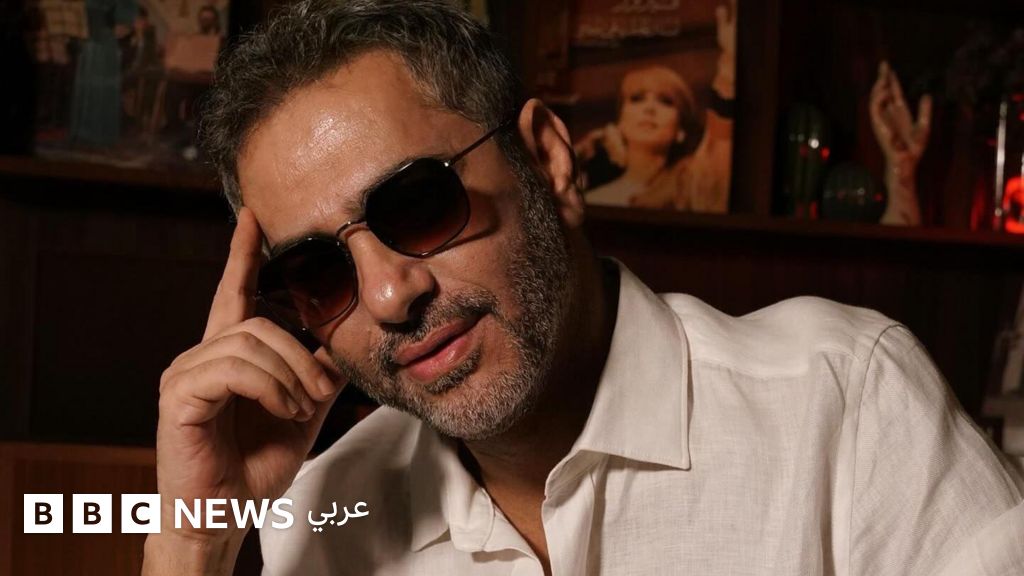
The military court in Lebanon approved the release of Fadl Shaker by a majority of its members. In this story, we revisit the trajectory of the case since the events of Abra in 2013, through his years hiding in Ain al-Hilweh camp and his return to singing, culminating in his surrender to the judiciary. What does this decision mean, and what future awaits Fadl Shaker?
Approval of Bail for Fadl Shaker: How Did the Story Begin and Where Has It Reached?
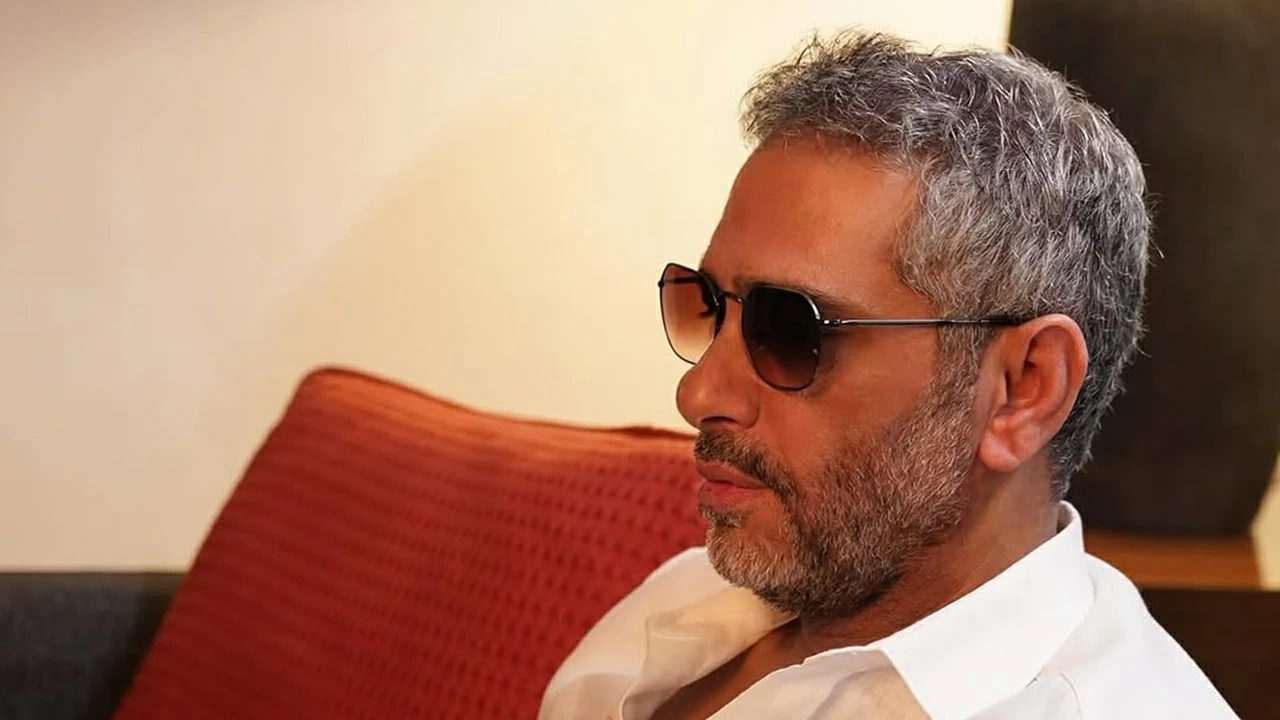
Image caption, Approval of bail for Fadl Shaker.
Article Information
Author, Ahmed AbdullahRole, BBC News Arabic - Beirut
Published 8 hours ago
Reading time: 8 minutes
The Permanent Military Court in Lebanon, presided over by Brigadier General Wassim Fayyad, approved the release of artist Fadl Shaker in the four security cases brought against him, most notably the Abra file, according to the National News Agency.
The court decided to release Shaker in three cases against a financial bail of 100 million Lebanese pounds for each file, and a bail of 200 million pounds for the Abra file.
The file was presented to the government commissioner at the military court, Judge Claude Ghanem, who approved his release in the three cases, while he is still studying the Abra file as to whether he will appeal the decision or not.
This development marks a new milestone in a case that began with the Abra events in 2013, went through years of hiding inside Ain al-Hilweh camp, then a return to art from behind walls, before Shaker surrendered himself to the judiciary.
Fadl Shaker: What Awaits Him After 12 Years of Absence, Art or Prison?
Testimonies Before the Military Court Deny Fadl Shaker's Fighting: Has His Release from Prison Drawn Near?
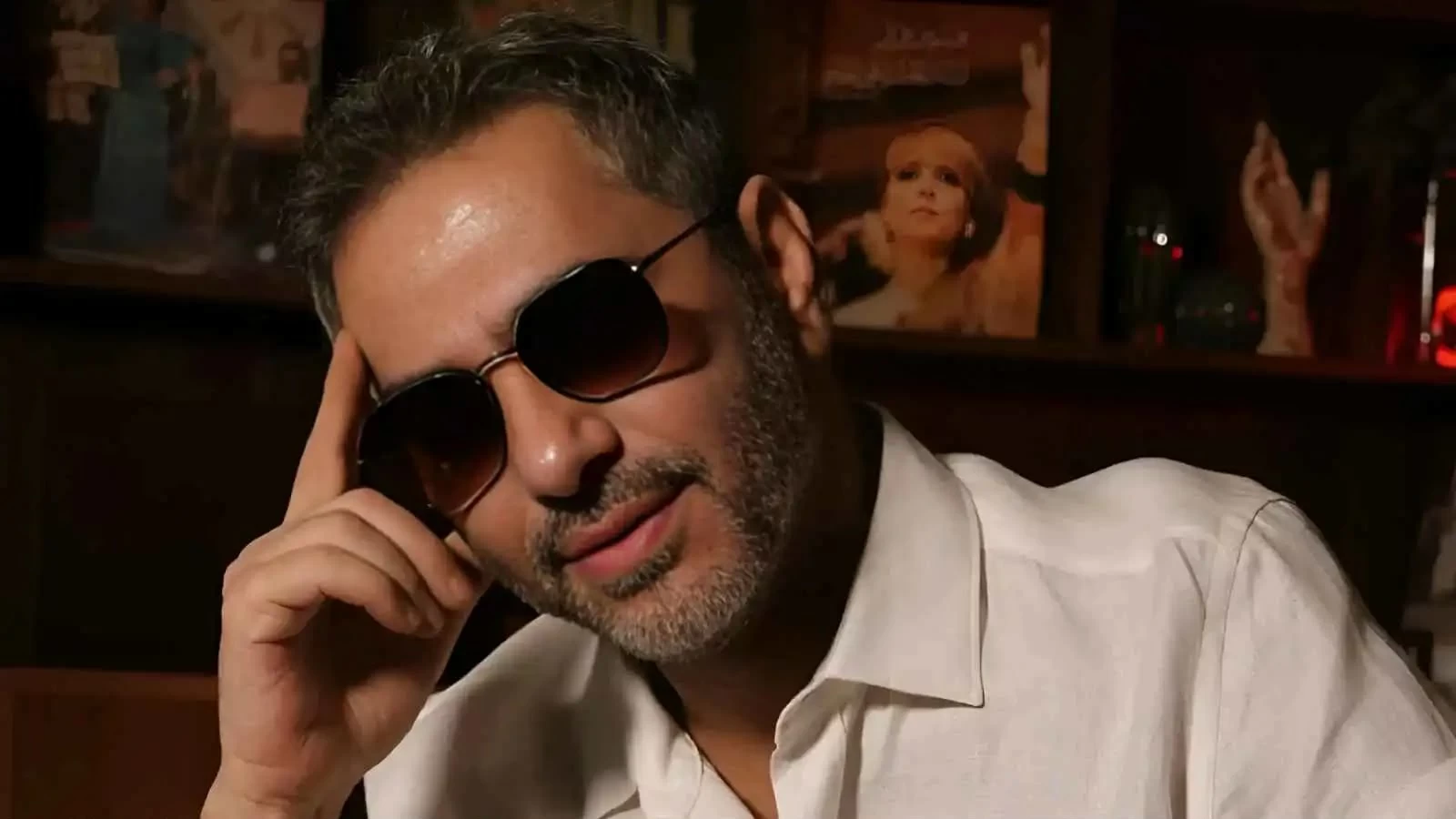
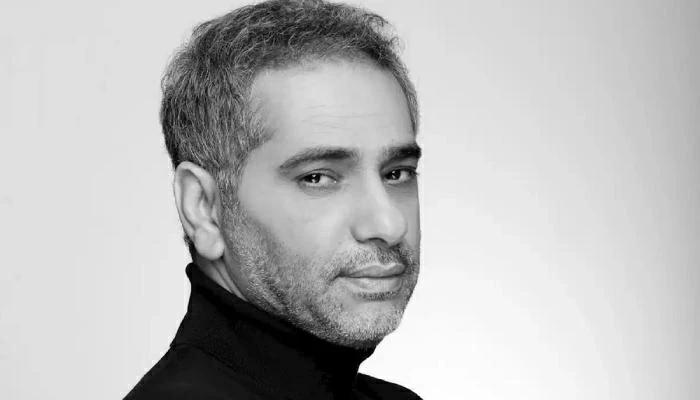
Image caption, Fadl Shaker filled major Arab theaters before his political positions led him to a judicial path that lasted more than a decade.
The story goes back more than a decade, when Fadl Shaker stepped out of the image of the romantic singer who filled Arab theaters and approached Sheikh Ahmad al-Assir, a Lebanese Sunni cleric who emerged in Sidon with a sharp rhetoric against Hezbollah, before Shaker became wanted after the bloody confrontation between the Lebanese army and al-Assir's supporters in Abra in 2013.
Over the years, Shaker's name remained tied to an open case, while he spent a long period inside Ain al-Hilweh camp, during which he gradually returned to singing from within the camp, before he surrendered himself at a moment that brought his file back to the forefront, at the intersection of security, politics, art, and media.
Release Does Not Close the File
The decision to release Fadl Shaker comes months after his file was reopened before the military court, which is the body in Lebanon that handles cases related to the army and security, and after sessions in which the court heard new military and judicial testimonies in cases related to the Abra events.
The Abra events date back to 2013, when an armed confrontation erupted in this area near the city of Sidon, southern Lebanon, between the Lebanese army and supporters of Sheikh Ahmad al-Assir.
Skip Most Read and Continue Reading
"Scandal" or "Sound Decisions": Refereeing Controversy After Egypt's Dramatic Exit from the World Cup
Resignation to 'Remove Embarrassment from the Government' Raises the Question: How Are Ministers Chosen in Egypt?
Trump Says the Recent Escalation with Iran Will End 'Quickly'
Iraqi Shia Between Saddam's Era and Khamenei's Procession
According to the information circulating in the file, the request for release was based on two main factors: the first is legal, relating to testimonies of former Lebanese army officers that did not prove, according to what the National News Agency reported in a previous session, Shaker's participation in fighting against the Lebanese army, or his carrying of weapons, or his financing of al-Assir's group.
As for the second factor, it is medical, after his health deteriorated and he was transferred to the military hospital, amid reports of complications related to diabetes, vision, and blockage of some arteries.
The decision allows Shaker to leave prison if implemented, while he continues to be pursued in security files related to the Abra events and what followed, which he denies through his legal representatives any connection to, especially participation in shooting at the army or supporting armed groups.
The Criminal Court in Beirut had acquitted him last May of the charge of attempting to kill Hilal Hammoud, a local official in the 'Saraya al-Muqawama' in Sidon, which are Lebanese groups that politically revolve around Hezbollah, but the ruling was limited to this file, and other cases remain open before the military court.
From Romantic Star to 'Fugitive from Justice'
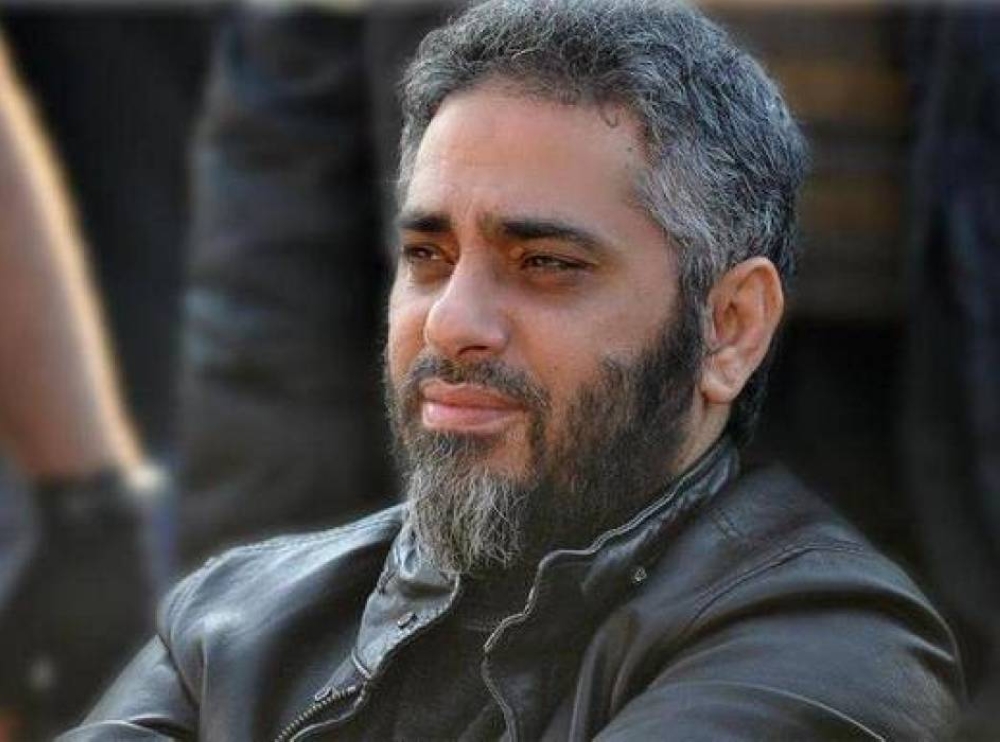
Image caption, Fadl Shaker's approach to Ahmad al-Assir in 2012 represented a turning point in his public image.
Skip Podcast and Continue Reading
Worth Attention
An in-depth explanation of the most prominent events and topics, to help you understand the most important changes around you and their impact on your life
Episodes
Podcast End
Before his name became associated with security files, Fadl Shaker was one of the most prominent romantic voices in the Arab world. His name shone since the 1990s, and his songs were linked to a whole era of Arab emotional singing, before he announced in 2012 his retirement from art and turned to religiosity.
During that period, Lebanon was experiencing deep political and sectarian tension, further complicated by the Syrian war. Sheikh Ahmad al-Assir emerged in Sidon with a sharp religious and political discourse, opposing Hezbollah and the Syrian regime, attracting a segment of supporters in the city and its surroundings.
Shaker approached al-Assir and appeared alongside him in religious and political activities, and took positions and made statements that angered his opponents, especially after video clips spread that were considered offensive to members of the Lebanese army. Shaker later said that some of those clips were taken out of context, and that he did not intend the army's fatalities.
In June 2013, the tense relationship between al-Assir's group and the army turned into an open confrontation in the Abra area near Sidon, following an attack on a military checkpoint. The battle ended with the army taking control of a complex used by al-Assir and his supporters, after casualties fell from both the military and the gunmen.
From that moment, Fadl Shaker's life changed completely. After being one of the most prominent and successful Arab song stars, he became part of a complex security and judicial file. He was tried in absentia and sentenced to prison in cases related to involvement in terrorist acts and financing or supporting armed groups, while he kept repeating that he did not fight and did not shoot at the army.
Ain al-Hilweh: Hiding and Returning from Behind Walls
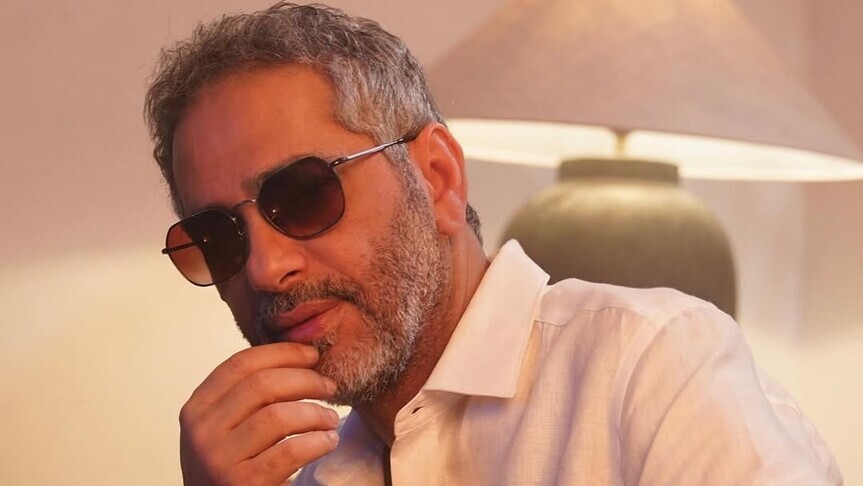
Image caption, Muhammad Fadl Shaker joined his father in one of the milestones of his artistic return.
After the battle of Abra, Fadl Shaker entered Ain al-Hilweh camp, the largest Palestinian refugee camp in Lebanon, near Sidon. The camp has a special security status, as the Lebanese army does not deploy inside it, and its presence is shared by Palestinian factions and multiple local forces.
Shaker spent more than twelve years in the camp. In its early years, he was absent from public life, but his name remained present in Lebanese debate. Every recording, position, or singing comeback brought back the same question: Will the artist regain his audience before his file is resolved before the judiciary?
Over time, Shaker softened his sharp political positions, and gradually returned to singing from inside the camp with works, some of which achieved wide circulation on digital platforms. His son Muhammad participated in this return, in an attempt to reintroduce him to an Arab audience that had not forgotten his voice and remained divided over his past.
Then came the documentary 'Ya Ghayeb,' aired by the 'Shahid' platform, to retell the story from Shaker's own perspective: an artist who says he made a mistake in politics but did not participate in killing Lebanese soldiers. His supporters saw it as an attempt to exonerate him, while his critics considered it an effort to polish his image before his full appearance before the judiciary.
Original source: BBC Arabic
Comments (0)
Be the first to comment.