Yemeni efforts to save Taiz antiquities and combat looting gangs
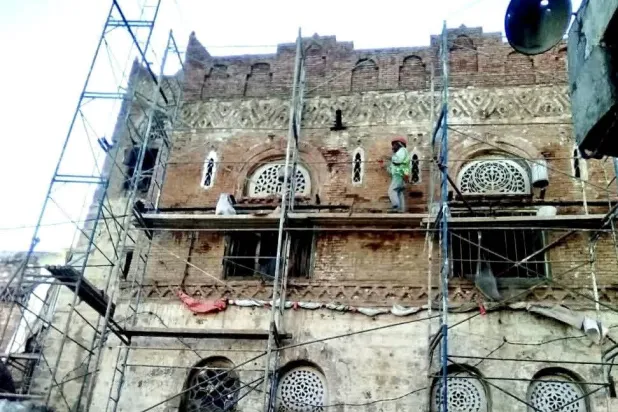
Taiz is restoring its historical landmarks through extensive restoration projects, alongside security moves to pursue artifact looting gangs and protect archaeological sites in an effort to preserve Yemeni identity.
Amid challenges of the Houthi siege and ongoing conflict, Yemen's Taiz governorate (southwest) seeks to restore attention to its civilizational heritage through a wide campaign to restore and preserve its historical landmarks, alongside field and security movements to pursue artifact looting gangs and counter vandalism of archaeological sites.
These efforts reflect a growing awareness that heritage protection is not limited to maintaining historical buildings, but represents a defense of Yemeni memory and identity in the face of years of conflict.
Restoration and maintenance work continues to include the most prominent landmarks of the old city, foremost among them Cairo Castle, Al-Sirajiya Castle, Al-Muzaffar Bukhari Bath, and the surrounding heritage buildings, in addition to the National Museum. The branch of the General Authority for Antiquities and Museums is also preparing to launch a project to restore the historic Al-Muzaffar Mosque, one of the most prominent Islamic landmarks in Taiz, with the aim of preserving it and restoring its historical and architectural value.
The city of Taiz was the capital of the Rasulid state and left a diverse cultural heritage (local media)
Maintenance work extends to most historical buildings damaged by war and neglect, as part of a plan to revive the architectural heritage for which Taiz is known, which was the capital of the Rasulid state and left a diverse civilizational and cultural legacy.
Officials in the Yemeni General Authority for Antiquities and Museums say that the ongoing projects aim to preserve historical landmarks from deterioration and rehabilitate them to remain witnesses to the city's history, enhancing opportunities for cultural and tourism use in the future.
Pursuit of artifact thieves
Parallel to restoration work, the General Authority for Antiquities and Museums is leading a campaign to protect archaeological sites from vandalism and theft; the Director General of the authority's branch in Taiz governorate, Mahboub al-Jaradi, conducted a field tour that included archaeological sites in the areas of Al-Sawa and Al-Mashawala in the southern countryside of the governorate, to follow up on their conditions and strengthen protection measures, after some of them were subjected to random excavations.
The tour included Hisn al-Qadam, Dhahra city, and Dar al-Kadam site, where al-Jaradi inspected the extensive damage caused by illegal excavation operations in Hisn al-Qadam. He stressed that these attacks constitute a crime against human heritage, 'because they are not limited to stealing artifacts, but also destroy historical layers and scientific evidence that are difficult to compensate.'
Restoration and maintenance work extended to most historical buildings in Taiz (local media)
In a field development, the authority announced its success, in coordination with security agencies, in apprehending the attackers on the Dar al-Kadam archaeological site, and forcing them to restore the site to its previous condition under the supervision of the authority's engineers, while taking legal measures against them to prevent recurrence of attacks.
Hisn al-Qadam is one of the most prominent archaeological sites in Ma'afir district, dating back to pre-Islamic times, and is distinguished by its defensive fortifications, water facilities, and traditional stores, reflecting its military and civilizational status throughout history.
The General Authority for Antiquities and Museums in Taiz issued an appeal to local and security authorities to provide strict protection for archaeological sites and allocate necessary resources to prevent their collapse or extinction, amid ongoing risks threatening them.
It also called on civil society organizations, intellectuals, activists, and residents of areas surrounding archaeological sites to contribute to their protection and spread awareness of their importance, stressing that preserving these landmarks is a collective responsibility that goes beyond official institutions.
Read also
Original source: Asharq Al-Awsat




Comments (0)
Be the first to comment.