Haaretz: Israel continues to kill Gaza children as a matter of routine
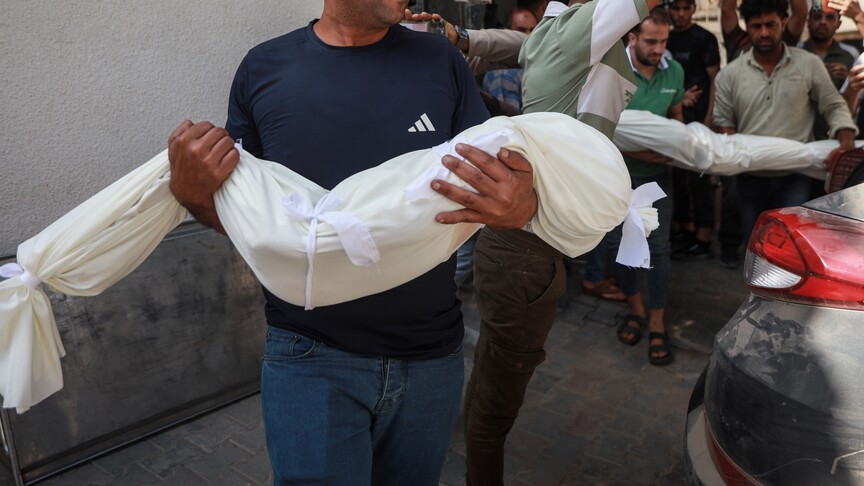
- 274 children killed since ceasefire on October 10, at a rate of one child per day.
Jerusalem / Anadolu
More than 21,000 children have been killed since October 7, 2023.
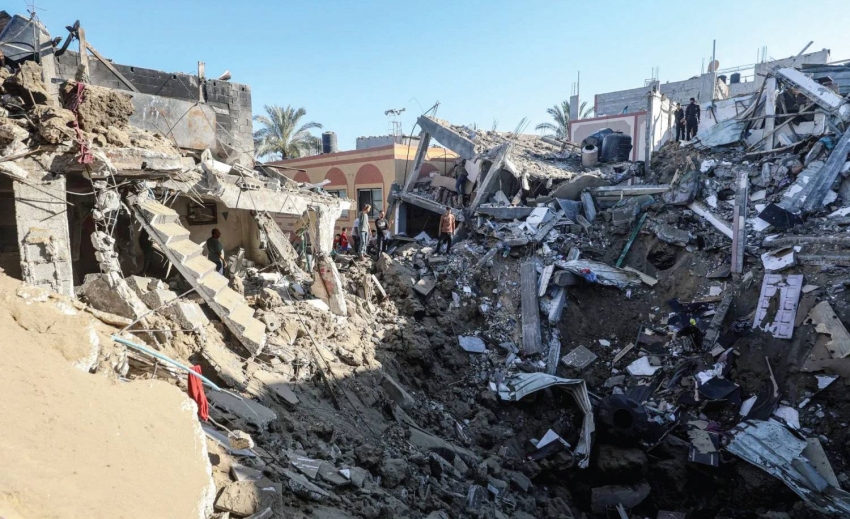
Gaza's homes remain destroyed, and 1.7 million people live in tents without electricity, running water, or sewage systems in extreme heat.
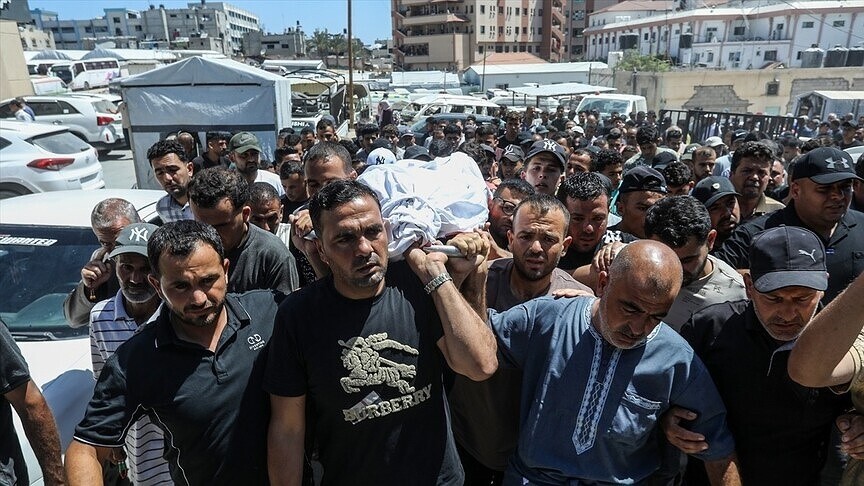
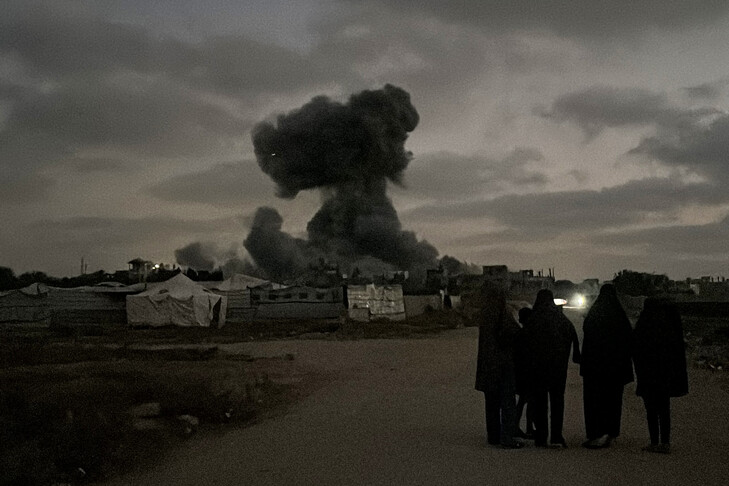
Haaretz newspaper revealed on Friday that Israel continues to kill Gaza children as a "routine matter," with the number reaching 274 since the ceasefire on October 10, 2026, at a rate of one child per day, and the toll exceeds 21,000 children since the start of the genocide in 2023.
According to the newspaper: "The air force continues to kill Gaza children as a routine matter, killing 274 children since the ceasefire last October, at a rate of one child per day."
It added that Israeli attacks have resulted in the death of "more than 21,000 children since October 7, 2023."
It noted that "the vast majority were killed by aerial bombardment, and a minority by sniper fire, building collapses, or shrapnel."
It continued: "As of this writing, the last child killed is Moataz Abu Shaar, 10 years old, who was in a tent in al-Mawasi on Monday when he was hit by gunfire, while his father and brother were killed six months ago."
It added: "The day before (Sunday), Tala Abu Matar, 9 years old, was killed. A picture of her smiling in a shirt with a bunny and flower print circulates online, alongside a picture of her laid out in a body bag."
The newspaper also stated that "some children died from wounds that the collapsed medical system in Gaza cannot treat."
UN data indicates that more than 18,000 patients in Gaza urgently need medical evacuation to receive treatments unavailable inside the Strip, while travel operations remain limited and do not match the scale of needs.
The health sector in Gaza faces an unprecedented crisis, as the deliberate destruction of health facilities and the shortage of fuel, medicines, and medical supplies have reduced hospitals' ability to perform surgeries and provide specialized care.
The newspaper also noted that "there were also those who died from hunger and disease, but they are not part of the death count," and published pictures of children killed in Israeli attacks.
According to a previous report by the World Food Programme, 1.6 million people in the Gaza Strip (77% of the total population) face high levels of acute food insecurity, including more than 100,000 children and 37,000 pregnant and breastfeeding women.
Despite the ceasefire agreement in October 2025, which stipulated the entry of 600 trucks daily under the humanitarian protocol, Israel "did not comply with it," according to the Government Media Office in the Strip, as the quantities entering did not exceed 38% of what entered before the war.
The newspaper also highlighted the deteriorating humanitarian situation in the Strip over the years, saying: "Homes remain destroyed, and 1.7 million people still live in tents, with no electricity, running water, or sewage system."
On October 8, 2023, Israel, with U.S. support, began a genocide war that lasted two years, leaving in addition to casualties massive destruction that affected 90% of civilian infrastructure in Gaza, with reconstruction costs estimated by the United Nations at about $70 billion.
Haaretz continued: "Rats and mosquitoes are everywhere, infectious diseases are spreading, and tens of thousands walk around with irritated, itchy skin under scorching sun and unbearable heat in the tents."
Recently, hospitals in the Gaza Strip have received cases of rodent bites, a serious indicator of the worsening environmental crisis caused by the accumulation of waste and the spread of sewage in displacement sites, amid the tight Israeli siege, threatening a health disaster that could affect thousands.
Original source: Anadolu Agency



Comments (0)
Be the first to comment.