Experts: Security and Geopolitical Considerations End the Break between Algeria and Mali
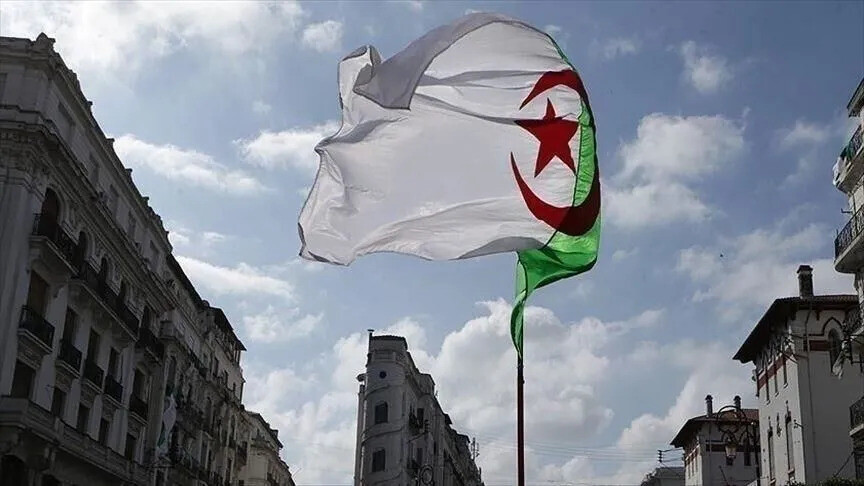
TUNIS/ Adel al-Thabeti/ Anadolu
Analysts spoke to Anadolu about the underlying reasons for the rapprochement between the two countries
- Ghazi Muala: The resumption of relations reflects Algeria's keenness to restore its presence in the Malian scene despite continuing differences between the two countries
- Kamal Ben Younes: Regional and international competition over Mali turned it into a file related to the national security of a number of countries in the region and international powers
- Ammar Sighe: The deterioration of the security situation in Mali pushed Bamako to review its relations with Algeria, considering it a key player in the stability of the Sahel region
Experts agreed that the resumption of relations between Algeria and Mali after a diplomatic break that lasted 14 months came as a result of security and geopolitical considerations and mutual interests, amid rapid field developments in northern Mali and the desire of both parties to reactivate communication channels.
On July 10, Algeria and Mali announced the resumption of air flights between the two countries and the return of ambassadors to the two capitals, ending a crisis that erupted in April 2025, when Algeria closed its airspace to Malian aviation, accusing Bamako of committing 'repeated violations' of its airspace.
** Algerian calculations
Geostrategy researcher Ghazi Muala believes that the recent military developments in northern Mali were among the most prominent factors that prompted Algeria to reactivate its relations with Bamako.
He told Anadolu that the escalation of attacks by separatist movements and armed groups, and the accompanying pressure on the ruling military council, made Algeria see that it was in its interest to restore its official presence in the Malian capital, allowing it direct communication with the authorities and not being absent from the scene.
He considered that the return of relations does not mean the end of differences between the two countries, pointing to outstanding files, including the lawsuit filed by Mali against Algeria over the downing of a drone, in addition to Mali's continued suspicions of Algeria's position on armed groups.
He added that the resumption of relations is governed by geopolitical considerations more than being a complete reconciliation between the two parties.
** Malian need
In his reading of Mali's motives to restore relations, Muala said that the military council in Bamako needs Algeria for economic and logistical reasons, especially regarding air traffic, trade exchange, and commodity supplies, in addition to the pressure it receives from its regional and international allies.
For his part, Ammar Sighe, professor of political science and international relations at the University of Algeria, considered that the recent military developments pushed Bamako to review its position towards Algeria, after the decline in the performance of the Malian army against armed groups in the north, despite Russian support.
He told Anadolu that the military council has come to realize that stability in northern Mali is difficult to achieve without coordination with Algeria, given its influence and extended relations with various parties to the crisis, in addition to its experience in managing the Mali file since the 2015 reconciliation agreement.
He added that Mali, as a landlocked country, also needs Algeria as a logistical gateway for trade, food supplies, and air and land transport movement, which contributed to accelerating the decision to restore relations.
** Regional competition
For his part, Kamal Ben Younes, director of the Ibn Rushd Foundation for Arab and African Strategic Studies, believes that the Mali crisis has turned in recent years into a file related to the national security of a number of regional and international powers, including Algeria, France, Russia, Turkey, and Morocco.
He considered, in an interview with Anadolu, that the resumption of relations reflects the conviction of Algeria and Mali of the need to reactivate coordination to serve their common interests.
He believed that Algeria wants to invest in its relations with its southern neighbors Mali and Niger 'after the influence of France, Russia, and Turkey doubled in many areas of the Sahel countries.'
** Future of relations
Sighe suggested that the return of relations could pave the way for reviving the political process and dialogue among the various parties in Mali, with the possibility of Algeria restoring its role as a mediator in the crisis, by developing a new approach based on the 2015 reconciliation initiative and taking into account field changes.
Sighe ruled out the scenario of the collapse of the regime in Mali, considering that the return of relations with Algeria might push armed movements to rearrange their priorities and refrain from expanding their operations towards the capital Bamako.
Despite the announcement of the resumption of relations, experts agree that rapprochement does not mean the end of differences between the two countries, but rather reflects an intersection of security and geopolitical interests imposed by developments in Mali and the Sahel region, while contentious files remain that may affect the course of relations in the future.
In March 2015, the Algiers Agreement (officially known as the Agreement for Peace and Reconciliation in Mali) was signed under the main mediation of Algeria between the Azawad armed groups and the Malian government.
The agreement stipulates the integration of former separatists into the Malian army and providing greater autonomy for regions in the country.
In January 2024, the ruling military council in Mali announced the 'termination' of the peace agreement signed in 2015 in Algeria with the northern separatist groups, 'with immediate effect.'
Original source: Anadolu Agency



Comments (0)
Be the first to comment.