Kuwait accuses Iran and Iraqi militias of targeting border and oil facilities
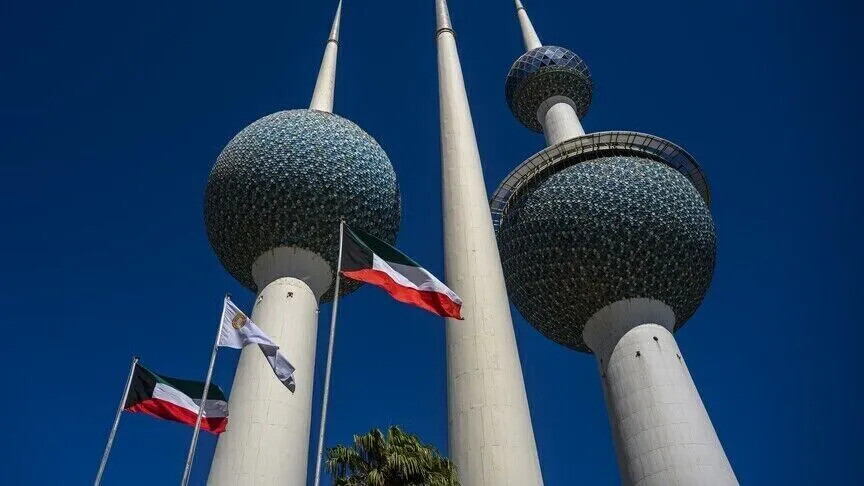
Foreign Ministry considered it a "serious threat to the security and safety of citizens and residents" and affirmed its right to take measures to safeguard Kuwait's sovereignty..
Ahmed Khalifa
July 13, 2026 • Update: July 13, 2026
Istanbul / Anadolu
On Monday, Kuwait accused Iran and Iraqi "militias" loyal to it of responsibility for attacks targeting border centers and an offshore drilling platform, resulting in injuries and losses, affirming its right to take necessary measures to safeguard its sovereignty.
The Kuwaiti Foreign Ministry said in a statement that it condemns and denounces "in the strongest terms the sinful aggression" carried out by Iran and "the factions and militias loyal to it in Iraq."
It held Iran and Iraqi "militias" responsible for the attacks "that targeted a number of border centers and an offshore drilling platform belonging to the Kuwait Oil Company (on Sunday)," resulting in human injuries and material losses.
It considered those attacks a "flagrant violation of the sovereignty of the State of Kuwait, a serious threat to the security and safety of citizens and residents, and a blatant challenge to international legitimacy."
The ministry added that "the aggression is an irresponsible undermining of regional and international efforts aimed at achieving the security and stability of the region."
It stressed Kuwait's inherent right to take whatever measures it deems appropriate to safeguard its sovereignty and maintain its security and stability, in accordance with the provisions of international law and the United Nations Charter.
The Kuwaiti Ministry of Defense had announced on Sunday that a worker was injured and material damage occurred as a result of attacks targeting 3 border centers in the north of the country and an offshore drilling platform belonging to the Kuwait Oil Company.
The ministry did not specify at the time the party that carried out the attacks, nor did any party claim responsibility for them.
Kuwait is one of 5 Gulf countries, in addition to Jordan, that witnessed attacks on Sunday, the broadest targeting of Arab countries since the détente between Washington and Tehran in last April, while some of those countries said that Iran launched the attacks.
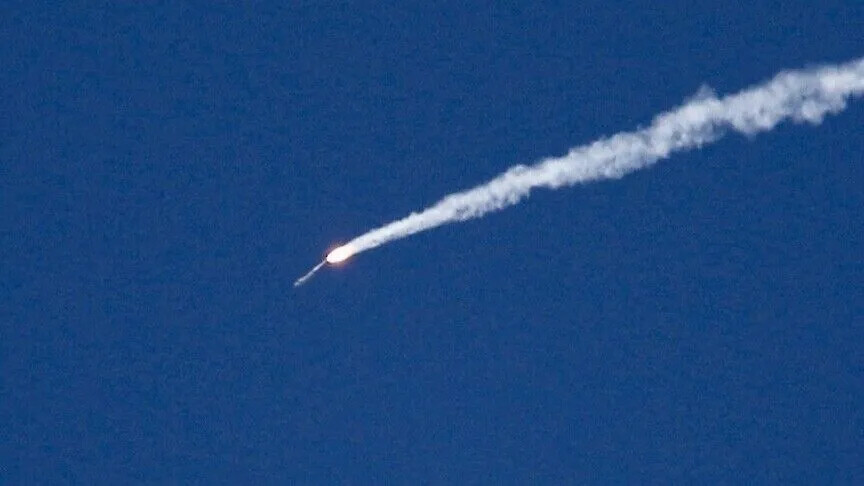
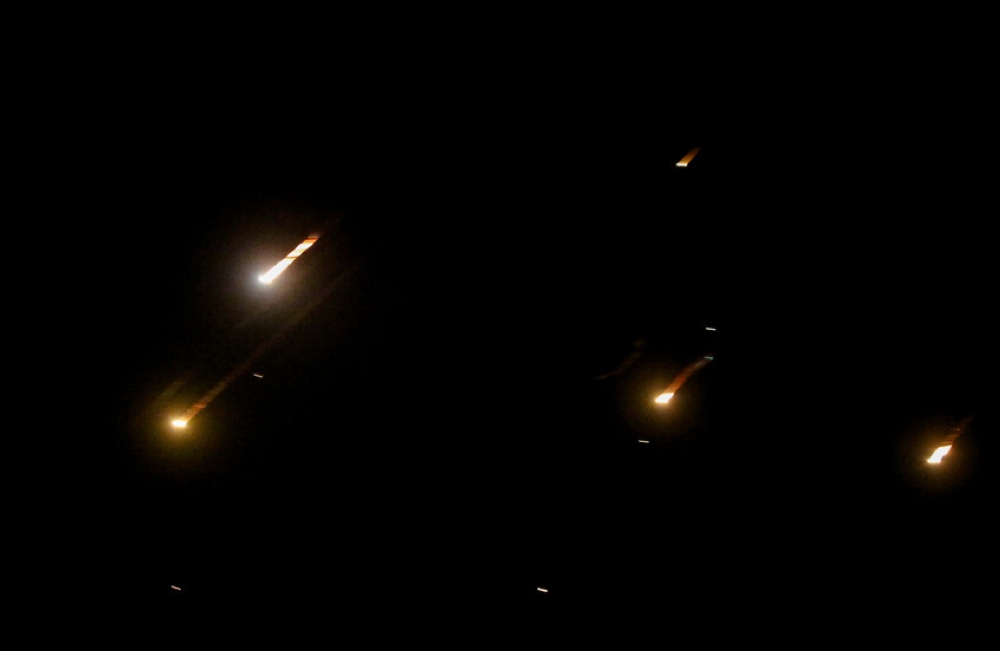
On Monday, the armed forces announced, via the American company "X" platform, that they are confronting "hostile aerial targets within Kuwaiti airspace."
It explained that the sounds of explosions, if heard, result from air defense systems intercepting "hostile attacks."
For days, the United States has been launching attacks on Iran, claiming to respond to Tehran's targeting of commercial ships in the Strait of Hormuz.
Tehran responds by bombing what it says are American military installations in Arab countries, while some of those countries have announced that Iranian attacks resulted in civilian casualties and damaged civilian facilities.
Iran targets any ship attempting to cross the Strait of Hormuz, strategic for global energy supplies, without coordinating with it or when passing through a path other than the one it specifies.
On Saturday, Oman and Iran agreed to continue talks on ensuring the safety and freedom of navigation in the strait, amid reports that Muscat is preparing a proposal to regulate the passage of ships through two tracks with separate arrangements.
Washington demanded on Friday that Tehran provide a public pledge not to target ships in Hormuz, and to keep all its passages open for commercial navigation, according to US media outlets citing unnamed officials.
The Strait of Hormuz region is witnessing security tensions against the backdrop of the war launched by the United States and Israel on Iran on February 28, 2026.
Washington and Tehran had signed, last June, a memorandum of understanding that included a ceasefire, following Qatari and Pakistani mediation, in preparation for reaching a final agreement to end the war, before US President Donald Trump announced on July 8 of this month the end of the ceasefire against the backdrop of renewed escalation.
Original source: Anadolu Agency

Comments (0)
Be the first to comment.