Kuwait and Bahrain Announce Repelling Iranian Aerial Attacks
Istanbul / Anadolu
- Kuwaiti army announced interception of missiles and drones
- Bahraini Interior Ministry announced sounding of sirens and called on residents to head to nearest safe place
- Bahrain TV said air defenses destroyed "Iranian aerial attacks" in the country's skies
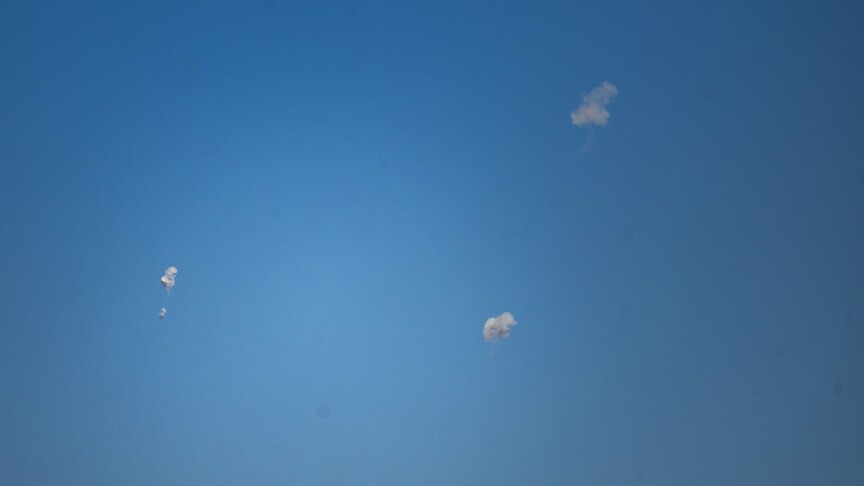
Kuwait and Bahrain announced on Sunday that their air defenses repelled Iranian attacks with missiles and drones targeting the two countries' territories.
The Kuwaiti Army General Staff said in a statement that air defenses repelled hostile missile and drone attacks following the "Iranian sinful aggression."
It added that the sounds of explosions that may be heard in some areas are due to the interception of the "hostile" attacks by air defense systems.
The General Staff called on citizens and residents to adhere to security and safety instructions issued by the competent authorities.
The statement did not provide further details on the scale of the attacks or potential damage caused.
Kuwait's General Fire Force had announced on Saturday that it had brought under control five fires that broke out due to Iranian attacks.
In Bahrain, the Interior Ministry announced in a post on the US company X platform that sirens were activated, calling on citizens and residents to head to the nearest safe place and follow instructions from the competent authorities.
Later, Bahrain TV reported that air defense systems destroyed "Iranian aerial attacks" in the kingdom's skies, without providing further details.
For about a week, the United States has been launching successive waves of strikes on sites inside Iran, while Tehran responds with attacks on positions and bases it says are US military in several countries in the region.
On June 18, 2026, Washington and Tehran signed a memorandum of understanding that included a halt to military operations and the start of negotiations to reach a broader agreement.
However, US President Donald Trump announced on July 8 of this month the end of the interim agreement after Iran targeted three ships in the Strait of Hormuz, prompting Washington to resume its strikes inside Iran amid escalating Iranian responses.
Washington demands ensuring freedom of navigation and its security in the Strait of Hormuz, while Tehran insists on imposing a mechanism to regulate the passage of ships through the strategic waterway, exacerbating fears of disruption to oil and gas exports from the region.
Original source: Anadolu Agency




Comments (0)
Be the first to comment.