Negotiations Over Conceptual Ambiguity

Hamoud Abu Talib
Negotiations Over Conceptual Ambiguity
12 July 2026 - 00:02 | Last update 12 July 2026 - 00:02
Follow Okaz channel on WhatsApp
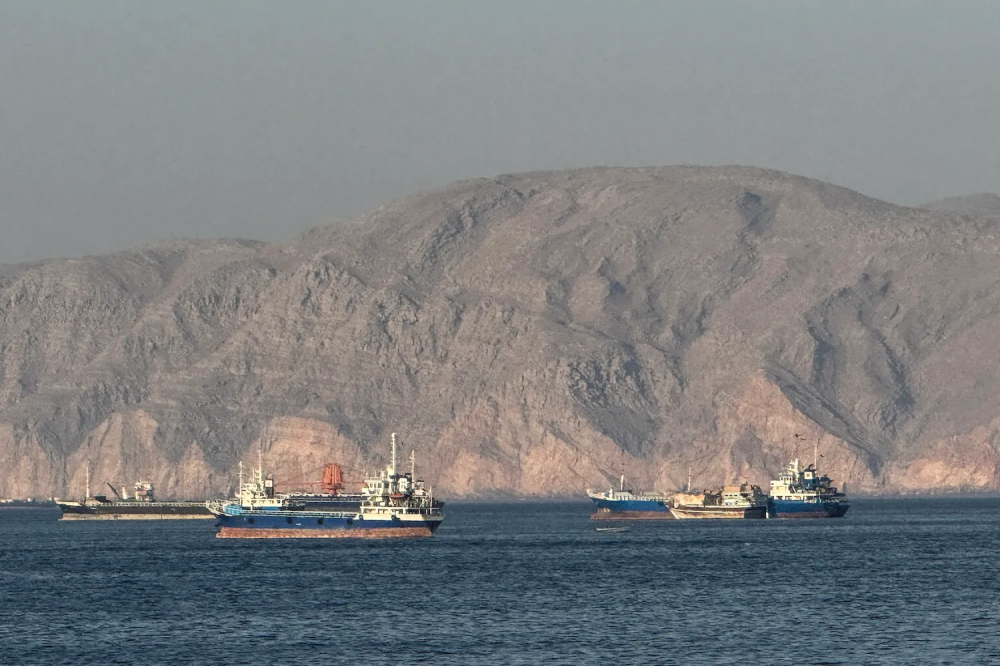
It becomes clearer day by day that the major and serious crisis arising from America's war on Iran is not heading toward a near resolution; instead, it is flaring up again, as recently occurred when three ships were attacked by Iran, prompting America to launch new strikes on Iranian sites and leading President Trump to declare the end of the ceasefire agreement signed by the two parties in June, while agreeing to continue the sixty-day negotiations, and demanding that Iran officially announce a halt to attacks on ships in the Strait of Hormuz and open all routes in the Gulf to shipping without fees.
The problem lies in the ambiguity of definitions and concepts in the framework agreement between the two parties. There are loose terms that each party can interpret and adapt as it wishes, including the fifth paragraph of the agreement concerning 'Iranian arrangements' for navigation in the Strait of Hormuz. Iran interprets it according to its own desires and what it aspires to impose, and any other interpretation contrary to that Iran considers unacceptable surrender, as stated by its chief negotiator Mohammad Baqer Qalibaf. This point can explain the broader Iranian concept of peace; it considers any retreat from its policies harmful to the security of regional countries and its ambitions for regional hegemony as surrender to America and a retreat from the principle of exporting the revolution, or rather exporting chaos and undermining regional security, regardless of the bad consequences that may result.
All the incentives that America offered to Iran, which included up to significant concessions, it does not consider sufficient. It wants to raise the ceiling to the highest possible level through the tactic of changing priorities and importances, buying time, and playing with cards it creates to stop the path of genuine peace that the countries of the region and the world seek, and for which they are making intensive diplomatic efforts to support.
All the hypotheses that have been put forward since the start of military operations against Iran have proven impossible. Neither the Iranian people were able to exploit the situation to stand against a regime that brought them troubles, nor did a pragmatic political class emerge that practices politics with realistic concepts, nor did a negotiating team come to the table with intentions to end the crisis. Nothing has changed in the political mentality of the ruling regime, and therefore the crisis will drag on and move toward worse if this regime is not dealt with in a way that ensures its submission to the requirements of peace, good neighborliness, and positive coexistence with the world.
Original source: Okaz



Comments (0)
Be the first to comment.