Revolutionary Guard Claims Attack on US Base in Kuwait

); googletag.cmd.push(function() { onDvtagReady(function () { googletag.display('div-gpt-ad-3341368-3'); }); }); }
Summary
Amid a highly fragile ceasefire signed on April 8 between the United States and Iran, Iran's Revolutionary Guard has claimed an attack on a US military base in Kuwait.
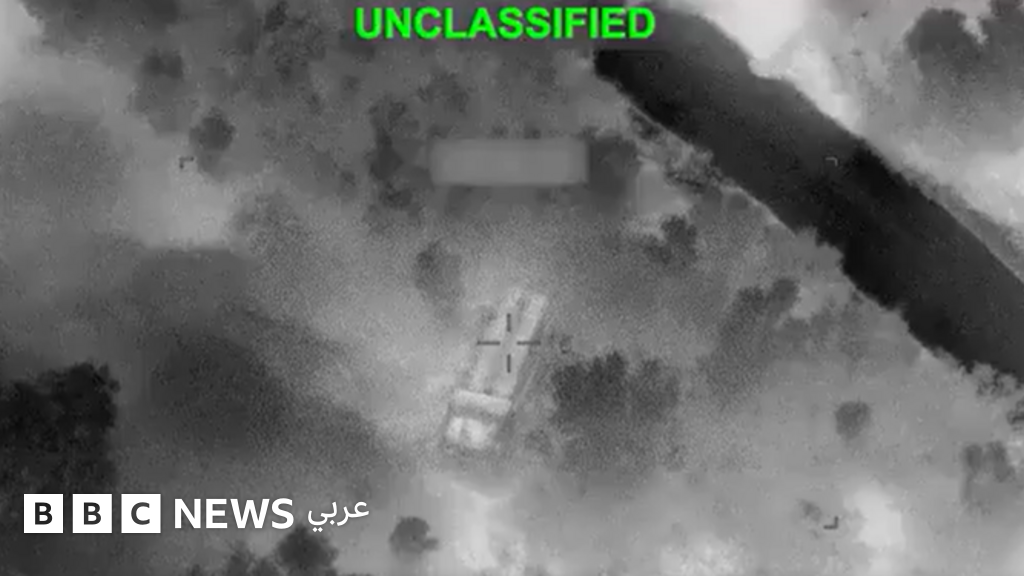
Tensions escalated in the Gulf region early Thursday morning after Iran's Revolutionary Guard claimed responsibility for an attack on a US military base in Kuwait, describing it as a 'direct response' to Washington's strikes on an area near Bandar Abbas Airport in western Iran on Wednesday night.
Iran's Tasnim News Agency, affiliated with the Revolutionary Guard, reported that the operation was carried out at 4:50 a.m. local time, stating that the attack was a direct response to what it called 'American aggression' on Iranian territory. The initial statement did not disclose details of the targeted base or the type of weapons used.
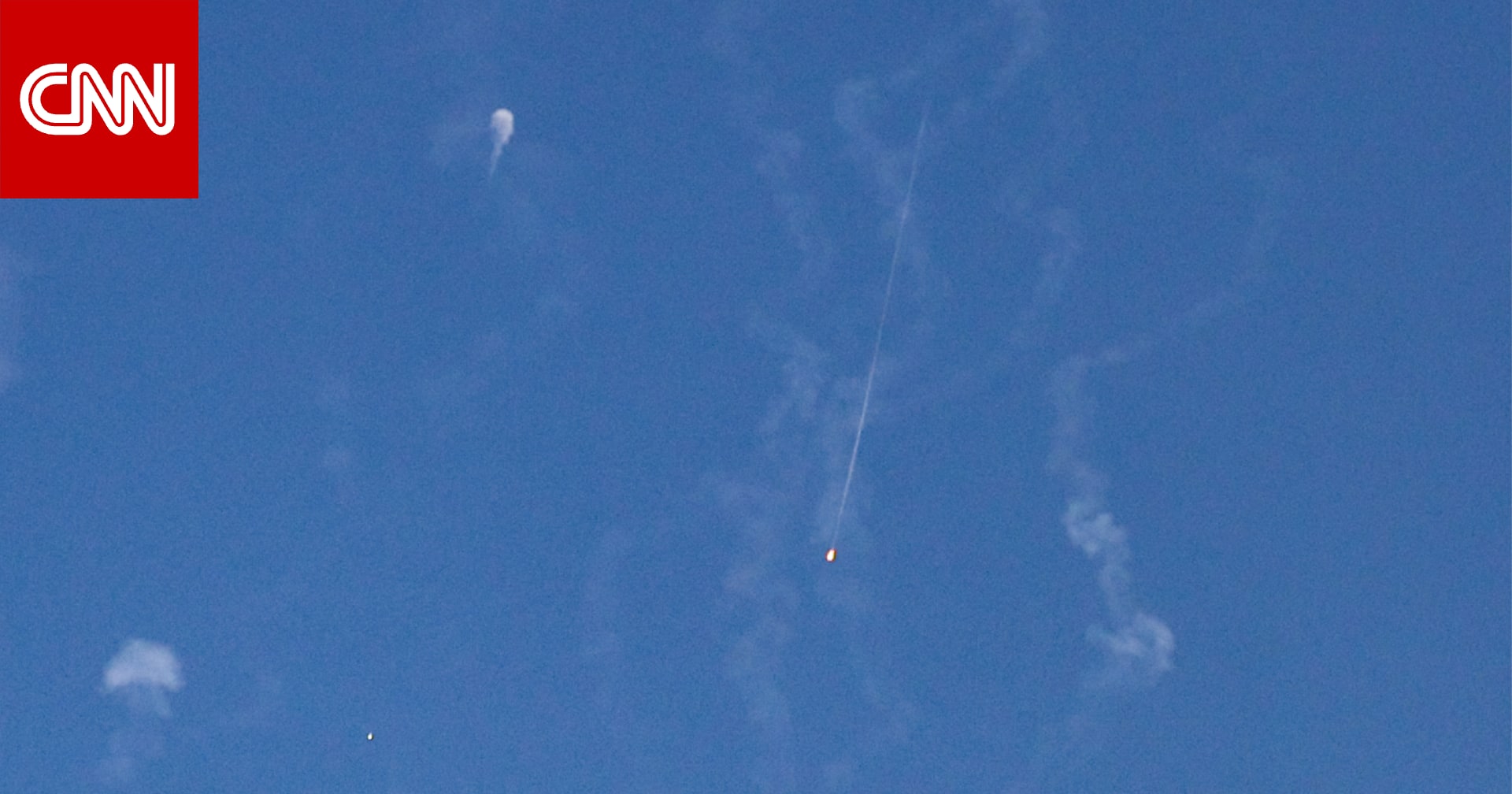
In the same context, the Kuwaiti army announced on its official account on X that 'air defenses are currently dealing with hostile rocket and drone attacks,' confirming that the sounds of explosions heard in several areas of the country were the result of successful interception operations.
The Kuwaiti Defense Ministry added that no casualties or major damage have been recorded so far, urging citizens and residents to strictly follow safety instructions issued by the competent authorities.
Kuwaiti air defenses are currently repelling hostile rocket and drone attacks. The General Staff of the Army notes that the sounds of explosions heard are the result of air defense systems intercepting hostile attacks. Everyone is requested to adhere to the security and safety instructions issued by the competent authorities.… pic.twitter.com/qvsBXZxokq
— KUWAIT ARMY - Kuwait Army (@KuwaitArmyGHQ) May 28, 2026
In contrast, the Revolutionary Guard warned in its statement against repeating such strikes, affirming that any new attack would be met with a 'more decisive and powerful' response, and holding the US side fully responsible for the consequences of escalation, describing the American strike on Bandar Abbas as a 'blatant aggression that requires a response.'
These rapid developments come amid a highly fragile ceasefire signed on April 8 between the United States and Iran, as the truce that followed weeks of fierce military confrontations appears to be on the verge of collapse.
Read more
This section contains related articles placed in (Related Nodes field)
The United States had earlier announced new strikes targeting Iranian sites, while Tehran responded by declaring attacks on commercial vessels in the Strait of Hormuz, before expanding its operations to include Kuwaiti territory.
Kuwait hosts several major US military bases, most notably Camp Arifjan, which has been a frequent target of Iranian strikes since the confrontations began in late February. Ali Al Salem Air Base and several vital Kuwaiti facilities have also been hit by multiple attacks in recent weeks.
Since the start of the conflict, Kuwait has dealt with more than a thousand missiles and drones launched by Iran towards its territory, including ballistic missiles, cruise missiles, and attack drones, which have resulted in casualties among Kuwaiti military personnel and stationed forces, as well as damage to civilian infrastructure.
"); googletag.cmd.push(function() { onDvtagReady(function () { googletag.display('div-gpt-ad-3341368-4'); }); }); }
More about: Iran, United States, Kuwait, US bases, Revolutionary Guard
Original source: Independent Arabia

Comments (0)
Be the first to comment.