Ship Traffic Slows through Strait of Hormuz as US-Iran Tensions Escalate

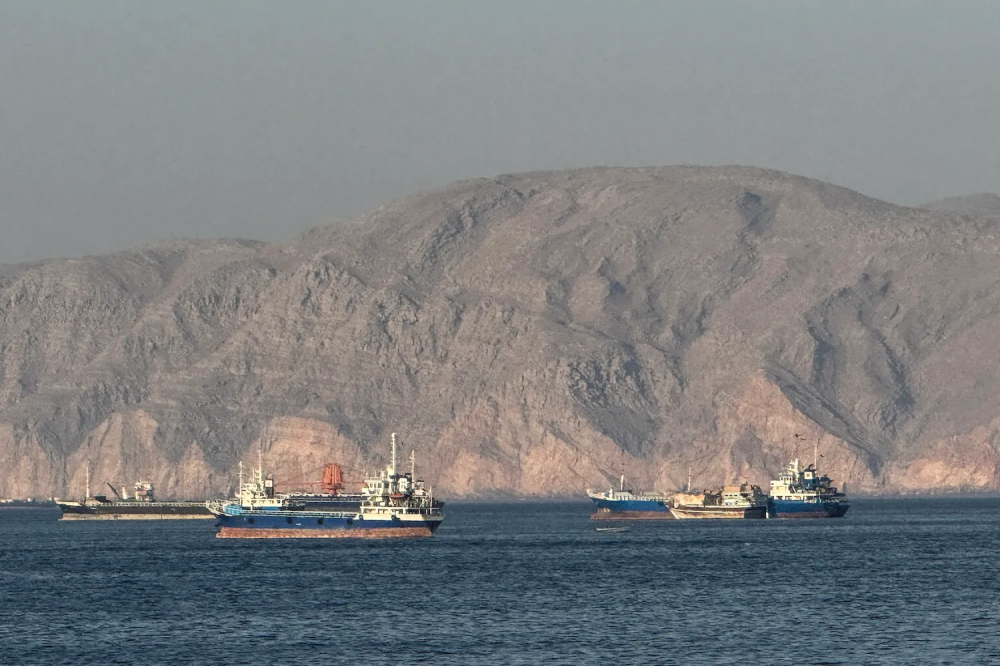
Ship tracking data showed that more LNG carriers have resumed transiting the Strait of Hormuz in the past few days, while 22 Japan-linked vessels have left the Gulf since Tuesday, but daily traffic through the waterway remains slower than usual as tensions escalate in the Middle East.
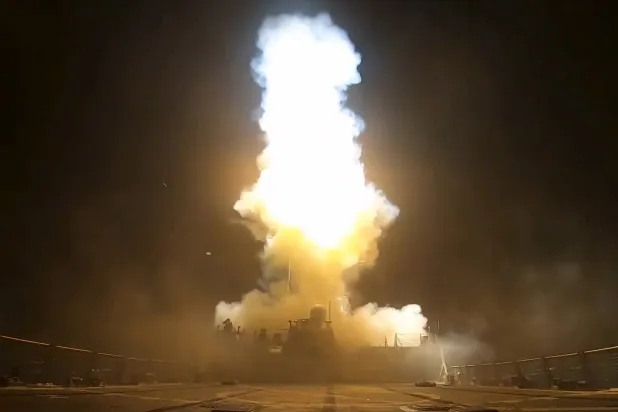
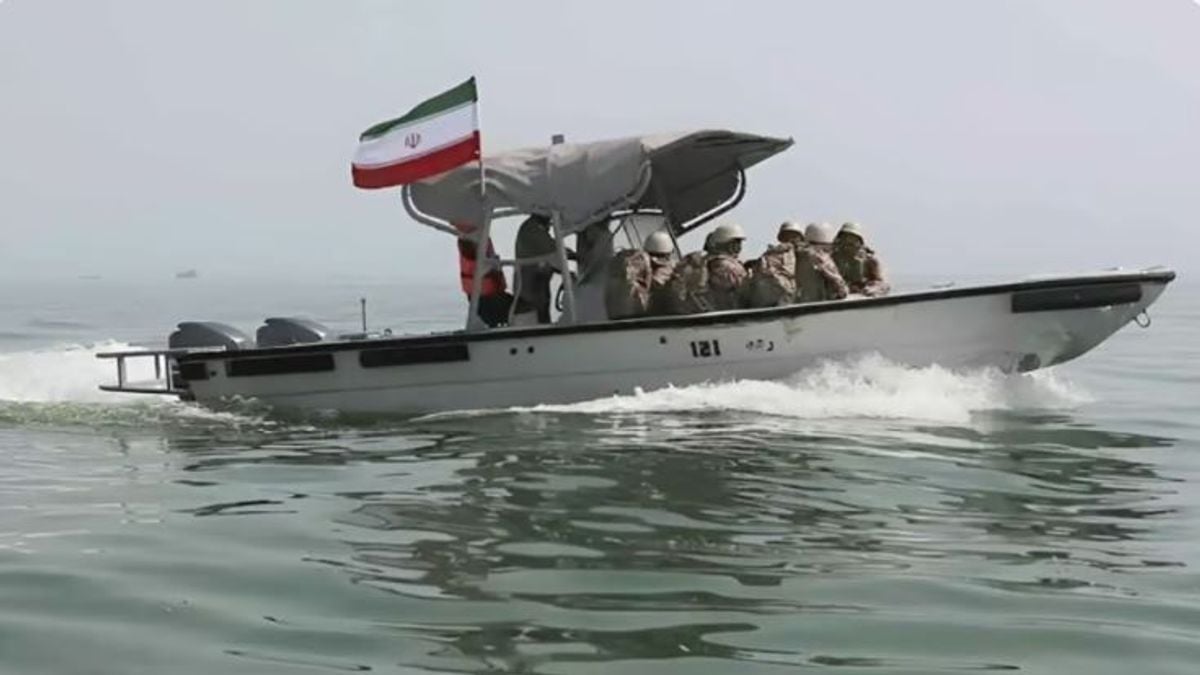
The Strait of Hormuz, a vital global passage for oil and LNG shipments, is being closely monitored by shipping firms and governments following Iranian attacks this week on commercial vessels and US strikes on Iran in retaliation.
Paralysis in the Strait of Hormuz... 'Goldman Sachs' warns of delayed recovery in oil supplies
Data from Kepler and the London Stock Exchange Group showed that at least five empty LNG carriers entered the strait in the past few days.
These carriers include the Gaslog Shanghai, owned by Greek shipping company Gaslog, along with the Samriya, Dafna, Qatara, and Rayyan, linked to QatarEnergy.
The data showed that the Gaslog Shanghai and Rayyan likely crossed into the strait during the night, after being spotted outside the waterway on July 9.
As for the other three carriers linked to QatarEnergy, they were last spotted outside the Strait of Hormuz off the west coast of India several weeks ago; the Samriya and Qatara were last seen between June 18 and 19, while the Dafna was spotted on June 29.
QatarEnergy and Gaslog have not yet responded to requests for comment sent outside official working hours. The ultra-large crude carrier Neos Kia entered the strait yesterday, Thursday, while the VLCC Lala Vadeenar exited.
Xavier Tang, senior market analyst at Vortexa, said: What is different now compared to the beginning of the conflict is that Iran is targeting ships that use the Omani route instead of targeting all ships, meaning more ships will head to the Iranian route or cross the strait with transponders turned off.
Difficulty in tracking ship movements
Sources in the maritime shipping sector reported an increase in ships turning off tracking devices, making it difficult to monitor all vessels crossing the Strait of Hormuz.
An analysis by Kepler of traceable ships showed that oil and LNG tanker traffic fell yesterday, Thursday, to its lowest daily level since June 28, with only 10 ships crossing the strait compared to about 14 on Wednesday and 22 on Monday.
Daily transit traffic over the past two weeks rose to its highest levels since the start of US and Israeli airstrikes that sparked the war with Iran in late February, with an average of 40 ships crossing the strait daily. However, this level remains far from the pre-conflict average, which ranged between 125 and 140 daily.
Some war risk insurance providers this week recommended that shipowners suspend their voyages temporarily following attacks on tankers in the region, leading to a rise in war risk insurance premiums.
Marcus Baker, global head of marine insurance at Marsh brokerage and risk management, said: Prices have risen again after Iranian attacks on cargo ships in the region, and we do not expect them to decrease unless the market is truly convinced that the risk environment has changed.
4 Japan-linked ships still in the Gulf
Japanese Transport Minister Yasushi Kaneko said in a press conference on Friday that 22 Japan-linked ships, including six large crude oil tankers, crossed the Strait of Hormuz to leave the Gulf between July 7 and July 9, meaning only four ships remain in the Gulf.
When asked about how to ensure the safety of ships, an official in the Ministry of Transport's overseas shipping administration declined to comment, citing security considerations.
According to a spokesperson for the Japanese Shipowners' Association, the number of Japan-linked ships in the Gulf has dropped from 45 vessels with about 1,100 crew members at the outbreak of the conflict to just four ships with about 100 crew members currently.
Ad material
Ad material
Original source: Al Arabiya


Comments (0)
Be the first to comment.