Sudanese Army Announces Control of Strategic City of Al-Kurmak in Blue Nile
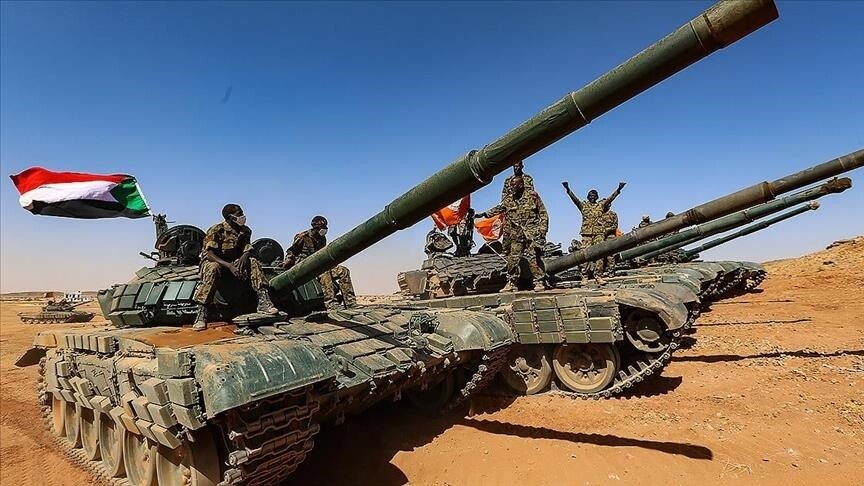
Army forces launched a surprise attack this morning, penetrated into the city, and managed to assert full control over it, following successful military operations during which they destroyed the remaining positions and defenses of the militias, while clearing operations and military deployment reinforcement continue to secure the city and its surroundings.
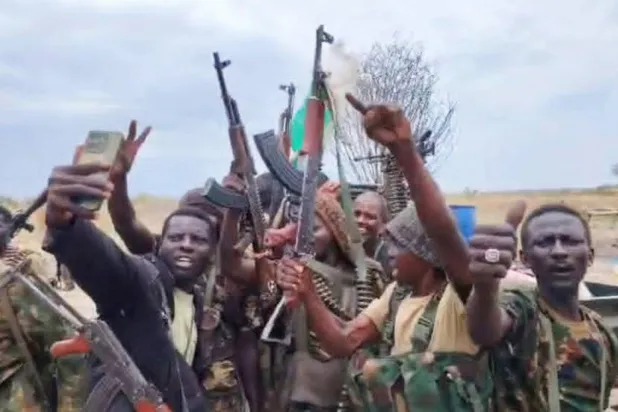
Military sources confirmed that the Sudanese army and supporting forces today, Wednesday, July 8, managed to impose their control over the strategic city of Al-Kurmak on the Sudanese-Ethiopian border in the Blue Nile region, southeastern Sudan.
Al-Kurmak is considered one of the strategic cities in the Blue Nile region, and its border location gives it great military importance due to its naturally fortified position, as it is separated from Ethiopian territory only by a seasonal watercourse.
The Rapid Support Forces and their ally, the Sudan People's Liberation Movement-North led by Joseph Touka, took over the city since last March.
Surprise attack
The sources reported that army forces launched a violent surprise attack this morning, penetrated into the city, and managed to assert full control over it after successful military operations during which they destroyed the remaining positions and defenses of the militias, while clearing operations and military deployment reinforcement continue to secure the city and its surroundings.
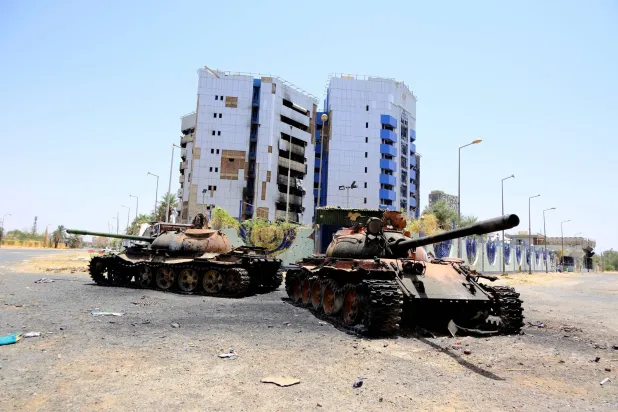
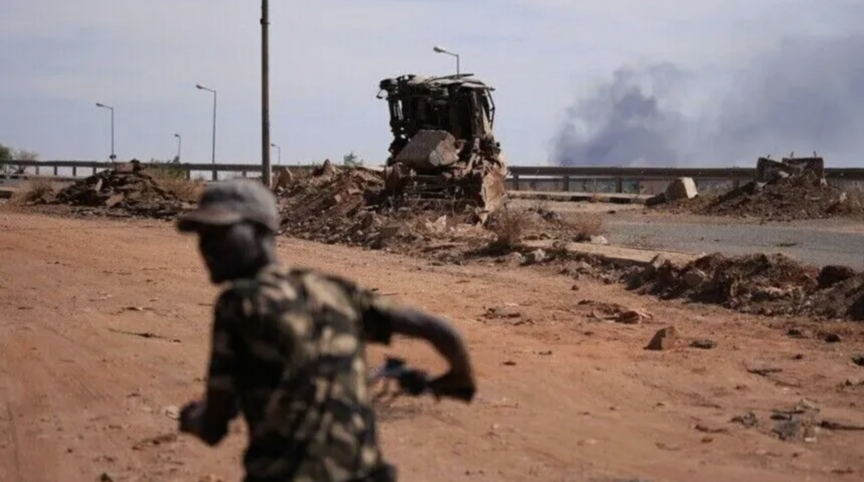
Since the beginning of this year, the alliance of the Rapid Support Forces and the Popular Movement has launched successive attacks on the towns of Al-Kurmak, Qaysan, and Bau, which also caused the destruction of infrastructure and disruption of commercial and agricultural activities, leading to a worsening living crisis in the region.
Attacks and Crises
For weeks, the army has been launching intensive ground and air attacks, continuing its advance towards the city, and engaging in fierce clashes in its surroundings. Last week, it managed to take control of the areas of Al-Kili, Khor Baraka, Karn, and a number of villages, as well as Jebel Al-Kurmak, which are the keys to entering the city.
Sudan accuses Ethiopia, neighboring the Blue Nile region, of providing logistical support to the forces of the Popular Movement and Rapid Support Forces alliance, but Addis Ababa denies these accusations.
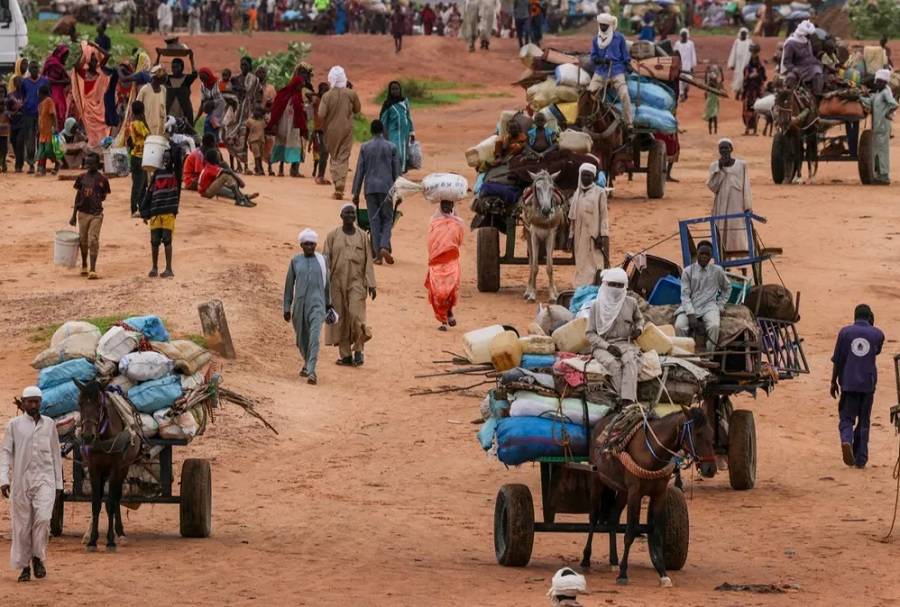
The region has been experiencing an escalating humanitarian crisis for several months, hosting until the end of last March about 361,000 displaced persons distributed across 252 sites in seven different localities. The attacks have caused widespread destruction of service infrastructure and disruption of commercial and agricultural activities.
The battles have caused massive waves of displacement due to military operations in the region, with residents fleeing their villages and homes in the areas of Al-Kurmak, Bau, and Qaysan alone following the escalation of the conflict in mid-January.
Securing the Eastern Front
In this context, security and military researcher Ismail Youssef explained that the army's success in recapturing the city of Al-Kurmak constitutes a major military development, as it is one of the most important gateways to the Blue Nile region and the most significant foothold for the Rapid Support Forces and their allies on the border with Ethiopia, thereby depriving the adversaries of an important border position believed to have been used for movement, supply, and maneuvering across border areas, and losing their ability to hold territory inside Sudan.
Youssef explained that the recapture of Al-Kurmak will secure the eastern front and relieve pressure on the city of Al-Damazin, which represents the military and administrative center of the region, and that the city's location on sensitive border corridors will reduce the likelihood of battles expanding into the depth of the Blue Nile region.
He added, 'Recapturing the city will give the army greater ability to control the border, monitor movements, and curb smuggling and the crossing of fighters, in addition to representing a major morale boost for the army, especially since the fall of the city had been a military and moral setback for it, as well as weakening the image of the field alliance between the Rapid Support Forces and the Sudan People's Liberation Movement-North.'
Natural Resources
Geographically, the city of Al-Kurmak is located in the far southeast of Blue Nile State on the international border between Sudan and Ethiopia, about 587 kilometers from the capital Khartoum, and about 136 kilometers from Al-Damazin, the capital of the region.
Economically, Al-Kurmak enjoys vast natural resources, both mineral and agricultural, making it one of the richest areas in Sudan, especially in mining, with extensive reserves of precious metals, foremost among them chromium available in large economic quantities. The areas of Al-Kurmak and Qaysan are the primary center for chromium production in Sudan.
Recent geological surveys have revealed huge deposits and reserves of gold in the locality of Al-Kurmak, revitalizing both artisanal and organized mining sectors.
The region, due to its location in the rich savanna belt, enjoys agricultural and forest wealth, highly fertile soil, and high rainfall rates, making it among the leading agricultural production areas in Sudan.
The region contains 60 percent of the country's forest area, including vast areas of dense forests rich in timber and natural pastures.
Original source: Independent Arabia

Comments (0)
Be the first to comment.