Targeting Bridges and a Control Tower: US Military Expands War Goals Against Iran
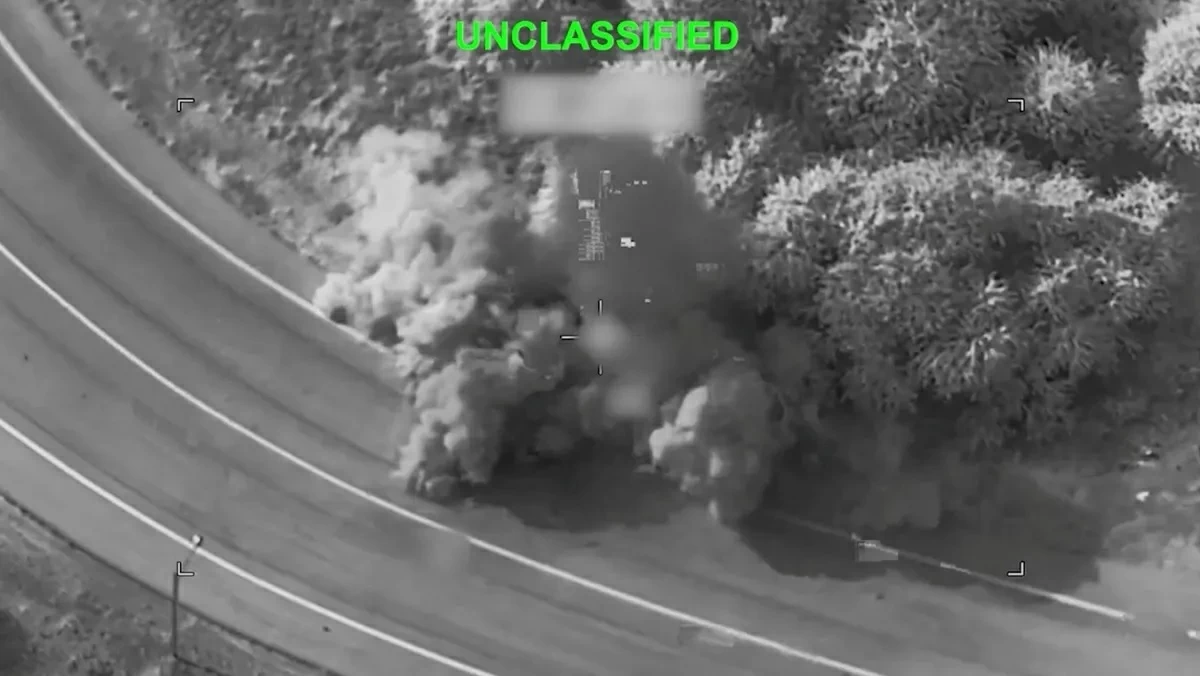
The United States expanded its airstrikes against Iran early Friday, targeting several bridges and destroying a tower at a major Iranian port, as part of President Donald Trump's threats to attack infrastructure to pressure Tehran to halt its assaults in the Strait of Hormuz. The US Central Command (CENTCOM) said it struck dozens of targets in its latest airstrikes, the sixth consecutive night of American attacks.
The United States expanded its airstrikes against Iran early today (Friday), targeting several bridges and destroying a tower at a major Iranian port, as part of President Donald Trump's threats to launch attacks on infrastructure to pressure Tehran to stop its assaults in the Strait of Hormuz.
The U.S. Central Command (CENTCOM) announced that it targeted dozens of sites in its latest airstrikes, which concluded early (Friday), marking the sixth consecutive night of American attacks.
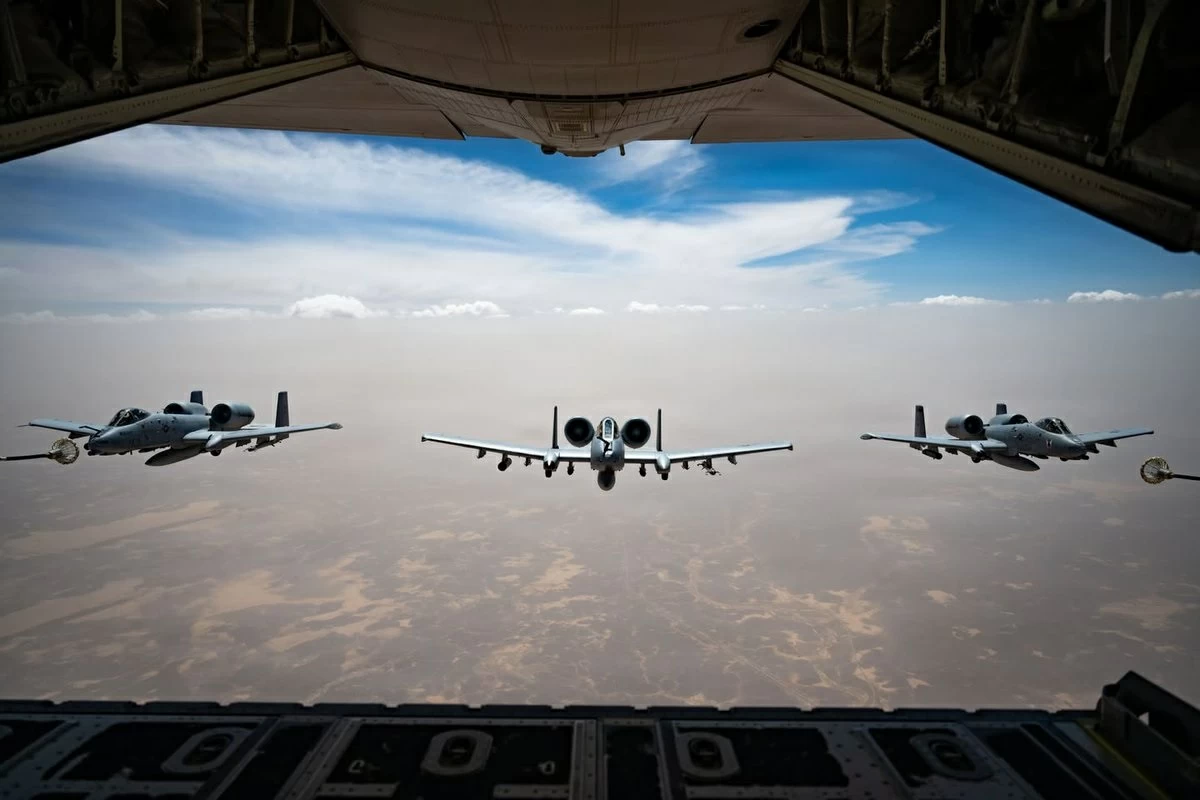
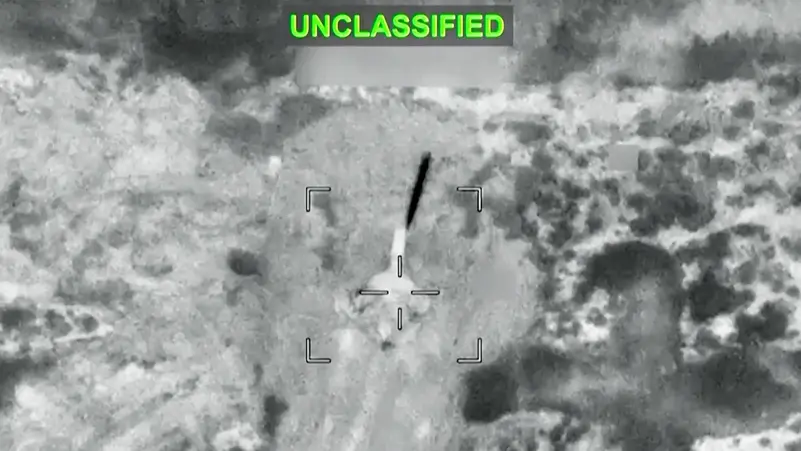
In a statement, it said that fighter jets, drones, and U.S. warships used precision-guided munitions to strike dozens of Iranian military targets. It added that the targets included coastal surveillance sites, air defense installations, military logistics facilities, and naval capabilities.
The official Iranian television announced that U.S. airstrikes targeted five bridges overnight in Hormozgan province in southern Iran, resulting in the deaths of at least seven people. The attacks occurred in the coastal city of Bandar Khamir on the Strait of Hormuz.
The airstrikes caused the collapse of a tower at the Iranian port of Chabahar on the Gulf of Oman, a vital trade route for neighboring landlocked Afghanistan, according to the official Iranian news agency "IRNA."
U.S. Secretary of Defense Pete Hegseth shared a photo of the collapsing watchtower as part of efforts to assert American control over the strait. This photo had circulated on social media before Hegseth posted it, according to the Associated Press.
The port of Chabahar has been a recurring target of U.S. airstrikes. Iranian state media acknowledged that the port had been subjected to a third round of strikes without immediately mentioning the tower's collapse.
Iran stated that the tower oversaw commercial shipping traffic at the port, but the Iranian Revolutionary Guard also controls ports across the country.
In recent days, President Donald Trump reiterated his threats to target Iranian power stations and bridges in an attempt to force Iran to ease its control over the strait, through which about one-fifth of oil and natural gas trade passed in peacetime. The United States also reinstated a maritime blockade on Iranian ports to halt shipments of crude oil.
Shipments of goods through the strait declined by about a quarter weekly at the beginning of the month, according to Lloyd's List Intelligence, a maritime data firm. This occurred before the recent escalation of mutual attacks.
The United States expanded its airstrikes against Iran early today (Friday), targeting several bridges and destroying a tower at a major Iranian port, as part of President Donald Trump's threats to launch attacks on infrastructure to pressure Tehran to stop its assaults in the Strait of Hormuz.
The U.S. Central Command (CENTCOM) announced that it targeted dozens of sites in its latest airstrikes, which concluded early (Friday), marking the sixth consecutive night of American attacks.
In a statement, it said that fighter jets, drones, and U.S. warships used precision-guided munitions to strike dozens of Iranian military targets. It added that the targets included coastal surveillance sites, air defense installations, military logistics facilities, and naval capabilities.
The official Iranian television announced that U.S. airstrikes targeted five bridges overnight in Hormozgan province in southern Iran, resulting in the deaths of at least seven people. The attacks occurred in the coastal city of Bandar Khamir on the Strait of Hormuz.
The airstrikes caused the collapse of a tower at the Iranian port of Chabahar on the Gulf of Oman, a vital trade route for neighboring landlocked Afghanistan, according to the official Iranian news agency "IRNA."
U.S. Secretary of Defense Pete Hegseth shared a photo of the collapsing watchtower as part of efforts to assert American control over the strait. This photo had circulated on social media before Hegseth posted it, according to the Associated Press.
The port of Chabahar has been a recurring target of U.S. airstrikes. Iranian state media acknowledged that the port had been subjected to a third round of strikes without immediately mentioning the tower's collapse.
Iran stated that the tower oversaw commercial shipping traffic at the port, but the Iranian Revolutionary Guard also controls ports across the country.
In recent days, President Donald Trump reiterated his threats to target Iranian power stations and bridges in an attempt to force Iran to ease its control over the strait, through which about one-fifth of oil and natural gas trade passed in peacetime. The United States also reinstated a maritime blockade on Iranian ports to halt shipments of crude oil.
Shipments of goods through the strait declined by about a quarter weekly at the beginning of the month, according to Lloyd's List Intelligence, a maritime data firm. This occurred before the recent escalation of mutual attacks.
Original source: Okaz

Comments (0)
Be the first to comment.