Tehran: Drone Attacks on US Bases in Kuwait and Amazon Center in Bahrain
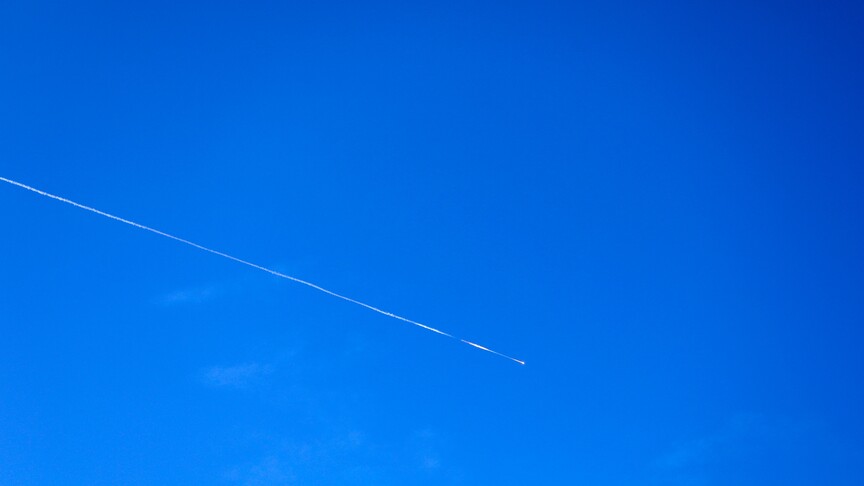
Iran announced drone attacks on US military sites in Kuwait, as well as targeting the remains of an Amazon cloud computing center in Bahrain, as part of a series of operations in response to recent US strikes inside Iranian territory.
TEHRAN / Anadolu Agency
The Iranian army revealed Friday evening that it launched drone attacks targeting US forces in Kuwait, as part of what it described as the '25th wave of Operation Barq.'
These attacks come amid a reciprocal military escalation between the United States and Iran after weeks of mutual strikes.
According to the Iranian army statement, the attacks targeted weapons depots and soldier housing areas at US bases in Kuwait using drones.
It added that US threats against Iran would strengthen the resolve of the Iranian armed forces, indicating that any attack on the country would mean opening a new military front.
For its part, Iran's Revolutionary Guards announced in a statement that weapons depots and hangars belonging to the US military at Ali Al Salem Air Base in Kuwait were hit by drone attacks as part of the '27th wave of Operation Nasr 2.'
The statement claimed the complete destruction of six hangars at the base and severe damage to three others.
The statement also claimed a large number of US soldiers were killed or injured, while no official comment has yet been issued by the US side on the matter.
The Revolutionary Guards added that they also targeted the remaining buildings at the Amazon cloud computing center in Bahrain, which they had previously announced as a target.
For about two weeks, the United States has been launching successive waves of strikes on sites inside Iran, while Tehran responds with missile and drone attacks on bases, military installations, and sites it says are linked to Washington in countries in the region.
The escalation comes despite Washington and Tehran signing a memorandum of understanding last June that included a cessation of hostilities and the start of negotiations to reach a broader agreement.
However, US President Donald Trump announced on July 8 the end of the ceasefire, following attacks on tankers in the Strait of Hormuz that Washington accused Tehran of being behind, prompting the US to resume strikes inside Iran amid escalating Iranian responses in the region.
Washington demands that Tehran stop attacking ships and ensure freedom of navigation through the Strait of Hormuz, while Iran insists on subjecting ship passage to a mechanism it regulates through the waterway overlooking its coasts, exacerbating fears of disruption to oil and gas exports from the region.
The region has been witnessing an escalation wave for about two weeks, with Washington launching strikes inside Iran, and Tehran responding with missile and drone attacks on US bases in neighboring countries. The United States and Iran signed a memorandum of understanding last June to stop fighting and start negotiations, but US President Donald Trump announced on July 8 the end of the truce after attacks on tankers in the Strait of Hormuz that Washington accused Tehran of being behind. Since then, the two sides have exchanged blows with no signs of an imminent de-escalation.
Original source: Anadolu Agency



Comments (0)
Be the first to comment.