Analysis: Do the US Strikes Reveal a New Strategy Toward Iran?

Credit: U.S. Navy via Getty Images
Analysis by Mustafa Salim of CNN.
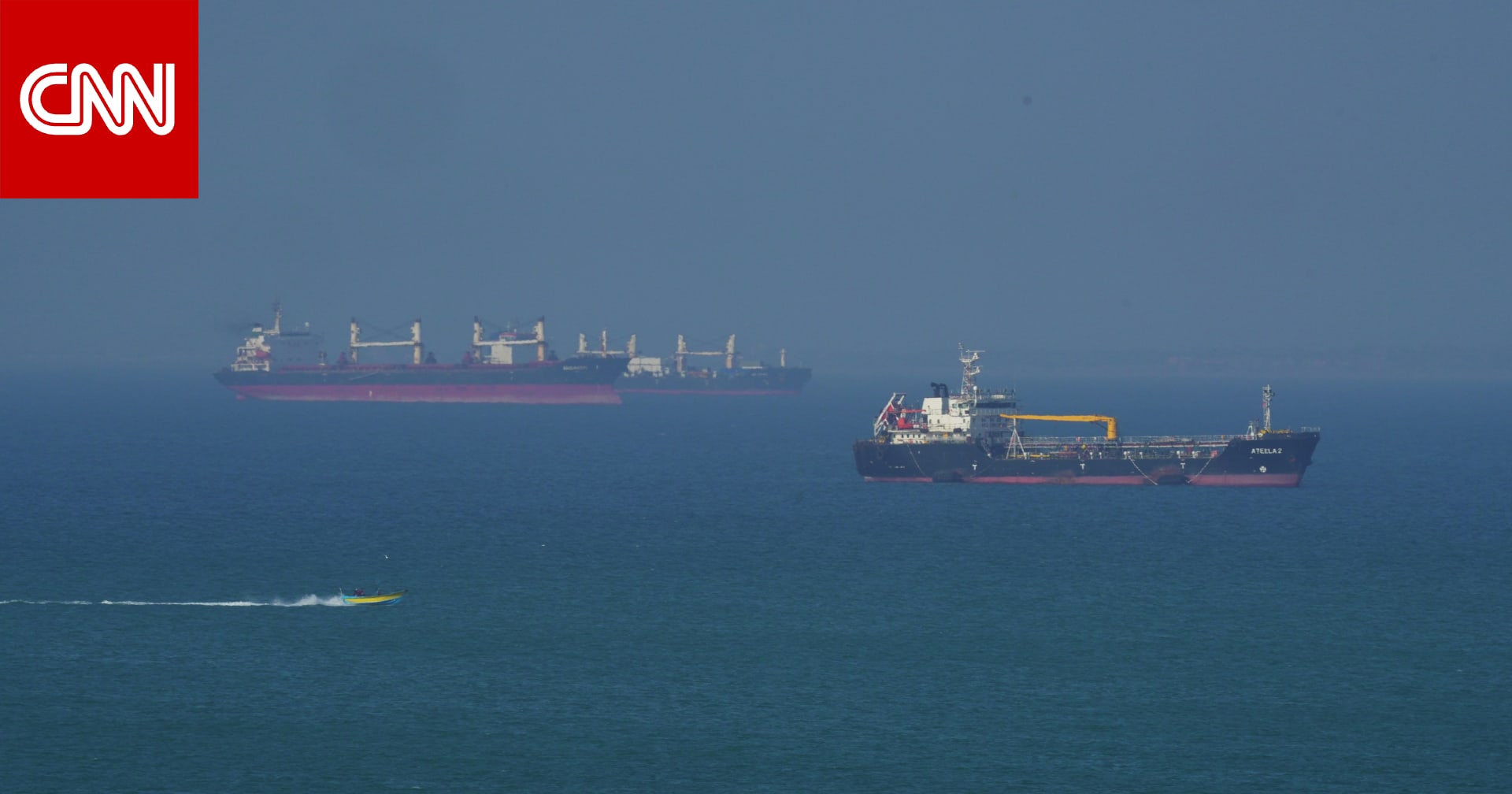
(CNN)-- The precise US strikes targeting bridges, railway junctions, and power transmission lines linking major cities on the Iranian coast point to a broader pattern in Washington's strategy aimed at wresting control of the Strait of Hormuz from Tehran.
According to Iran affairs analyst Hamid Reza Azizi, the aim of these strikes is to disrupt logistics supplies and undermine the mobility of Iranian military forces in the south of the country. Azizi also believes that these moves could pave the way for a possible deployment of ground forces.
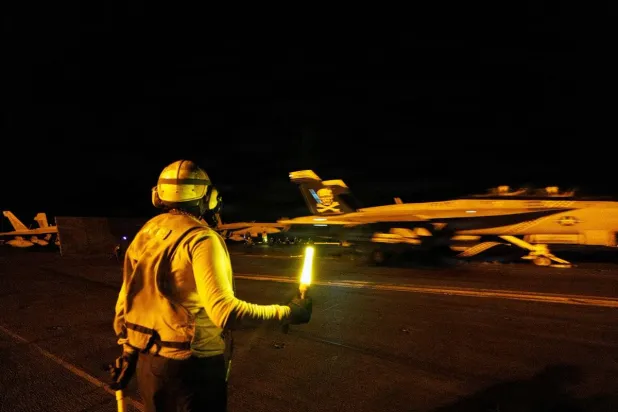
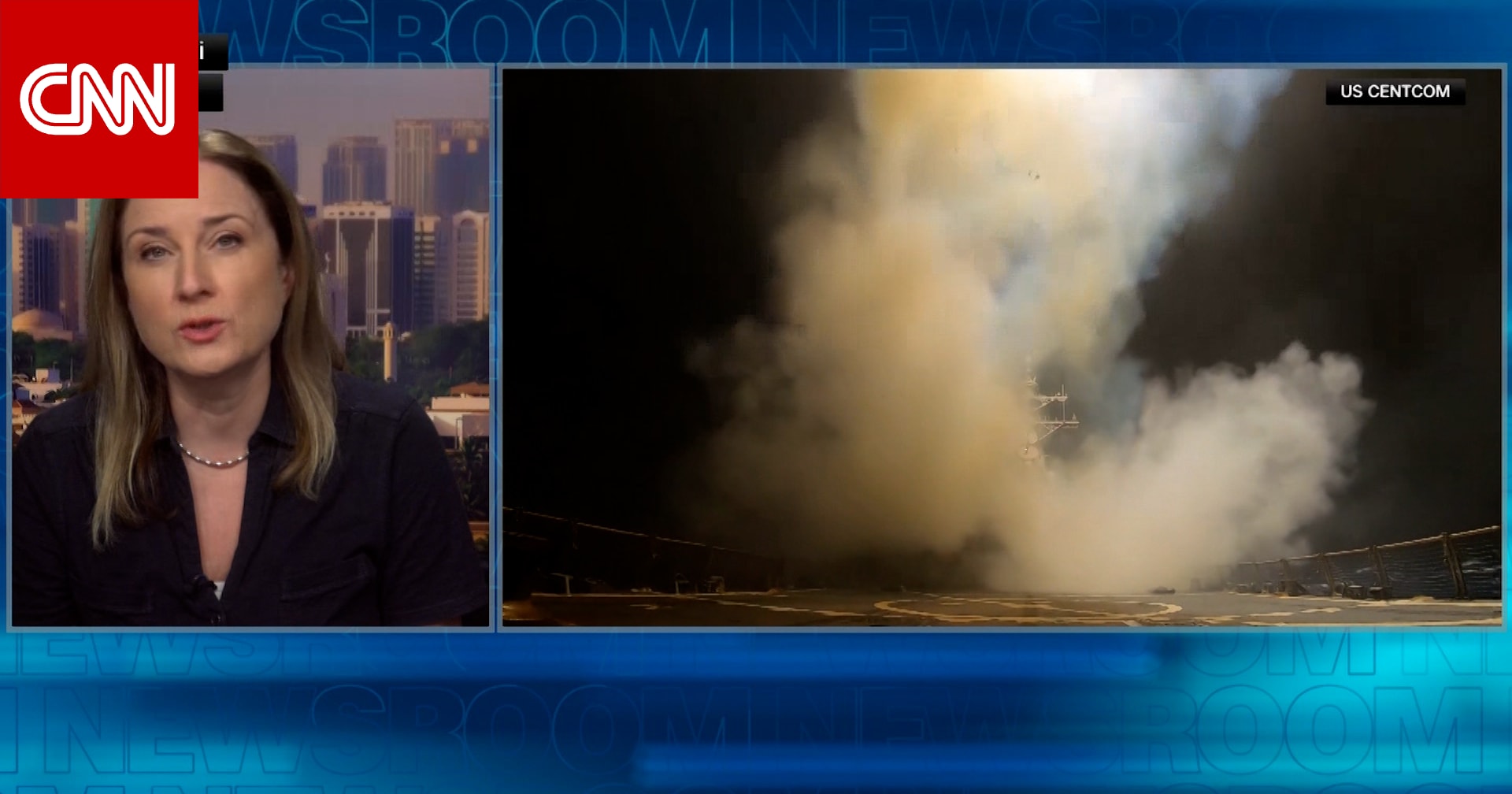
For six consecutive days, the United States launched waves of strikes on Iranian coastal targets, the most intense since the ceasefire in April, targeting missile storage and launch sites, air defense systems, and coastal surveillance facilities, all of which strengthen Iran's control over navigation in the Strait of Hormuz.
Azizi says the intensification of strikes on infrastructure aimed at cutting logistics supply lines, along with targeting Revolutionary Guard radar sites and naval facilities, indicates that the campaign 'may go beyond merely weakening Iran's ability to threaten navigation in the Strait of Hormuz.'
He added: 'Rather, it may indicate that Washington sees control of Iran's southern coastal strip as the only and decisive solution to address the challenge of the Strait of Hormuz.'
Officials said this week that destroying targets such as missile launchers and radar systems could also pave the way for broader US military operations that President Donald Trump has been considering.
The United States has carried out daily strikes on Iranian sites along the Strait of Hormuz, including a strike on Wednesday targeting the small island of 'Greater Tunb' near the strait, which is used as a base for Iranian military forces.
Original source: CNN Arabic


Comments (0)
Be the first to comment.