What is the importance of the Bab el-Mandeb Strait after the Houthis announced imposing a 'naval blockade' on Saudi Arabia?
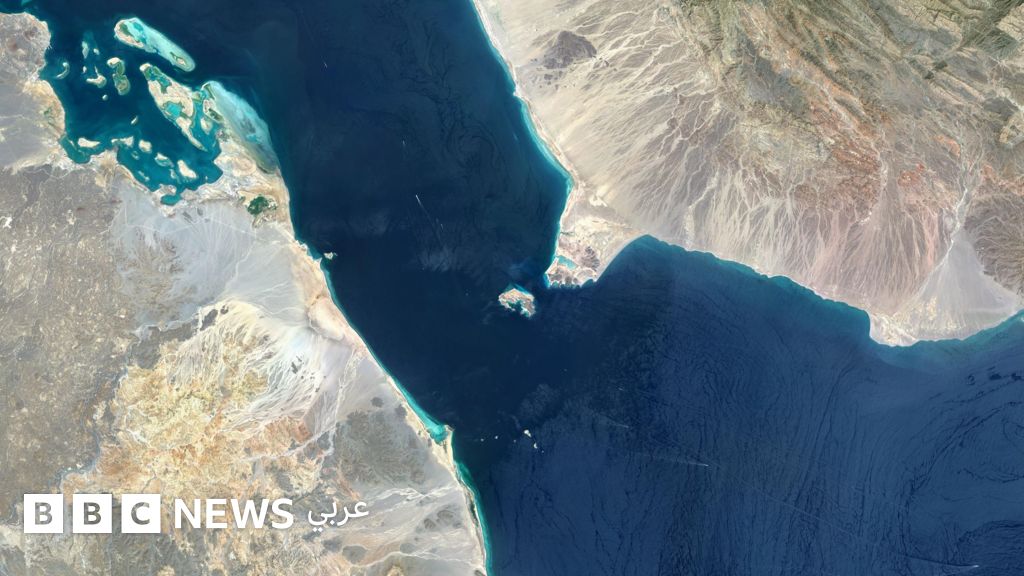
Approximately 20 percent of global maritime oil trade passes through the Bab el-Mandeb Strait. With the closure of the Strait of Hormuz, closing this second vital maritime corridor in the Middle East threatens to further disrupt global trade.
What is the importance of the Bab el-Mandeb Strait after the Houthis announced imposing a 'naval blockade' on Saudi Arabia?
Image caption, The Bab el-Mandeb Strait is about 36 kilometers wide and connects the Red Sea to the Gulf of Aden.
Published 31 March 2026
Last updated 3 hours ago
Reading time: 5 minutes
The Houthis in Yemen announced imposing a 'naval blockade' on Saudi Arabia, where the military spokesman of the Iran-backed group said the blockade would begin immediately, and that it comes in response to the Saudi blockade imposed on ports and airports in northwestern Yemen under Houthi control.
The spokesman did not provide many details about the blockade, but a Houthi media official said the group would close the Bab el-Mandeb Strait, which represents the southern entrance to the Red Sea, to Saudi ships.
Skip content and continue reading
Why is the US looking at Iran's Kharg Island? 30 March 2026
How strong are the chances of Washington launching a ground military operation in Iran? 29 March 2026
End content
Why is Bab el-Mandeb so important?
The Bab el-Mandeb Strait is located between Yemen on the Arab side of the Red Sea, and Djibouti and Eritrea on the African side. Maritime traffic coming from the Indian Ocean and the Gulf of Aden passes through it to reach the Suez Canal.
The strait is 115 kilometers long and 36 kilometers wide, and it became a crucial link in global trade after the opening of the Suez Canal in 1869, which created the shortest sea route between Europe and Asia.
The Red Sea route is one of the busiest waterways in the world, with nearly a quarter of global maritime traffic passing through it.
20 percent of global oil transport passes through the Strait of Hormuz, which has been closed due to the war.
The closure of the Bab el-Mandeb Strait would disrupt another 12 percent of global oil transport operations.
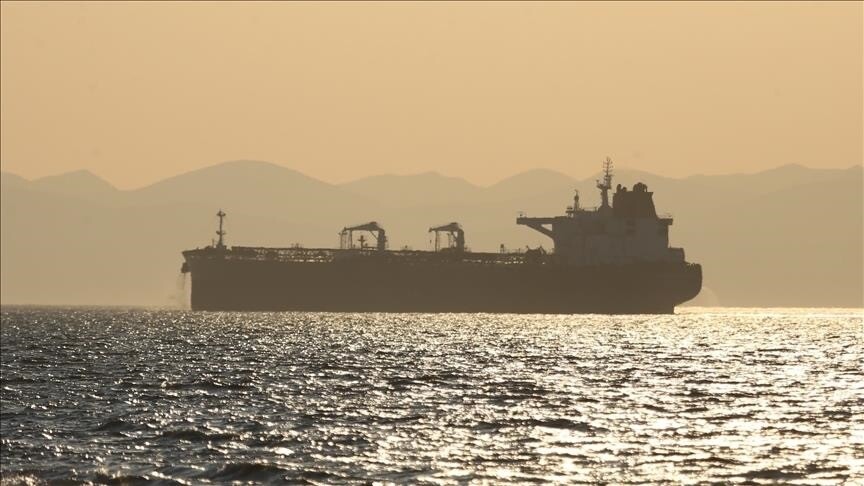
According to the US Energy Information Administration, approximately five million barrels of oil from Middle Eastern and Asian countries bound for the West pass through the strait daily.
Skip most read and continue reading
The other World Cup winner... Lamine Yamal's little brother who captivated the internet
How Trump plunged the US into multiple crises? - The Guardian
Bahrain announces repelling Iranian attacks, Jordan 'shoots down missiles' targeting the kingdom
Have scientists succeeded in regrowing lost teeth?
Furthermore, eight percent of global liquefied natural gas shipments pass through the Bab el-Mandeb Strait, making it a vital artery for global energy supplies.
Since the effective closure of the Strait of Hormuz, the Red Sea has gained critical importance in global trade.
Saudi Arabia has started using Bab el-Mandeb as a transit point for exporting Saudi oil from the Yanbu port.
Riyadh exports millions of barrels of crude oil daily from its eastern fields via a pipeline.
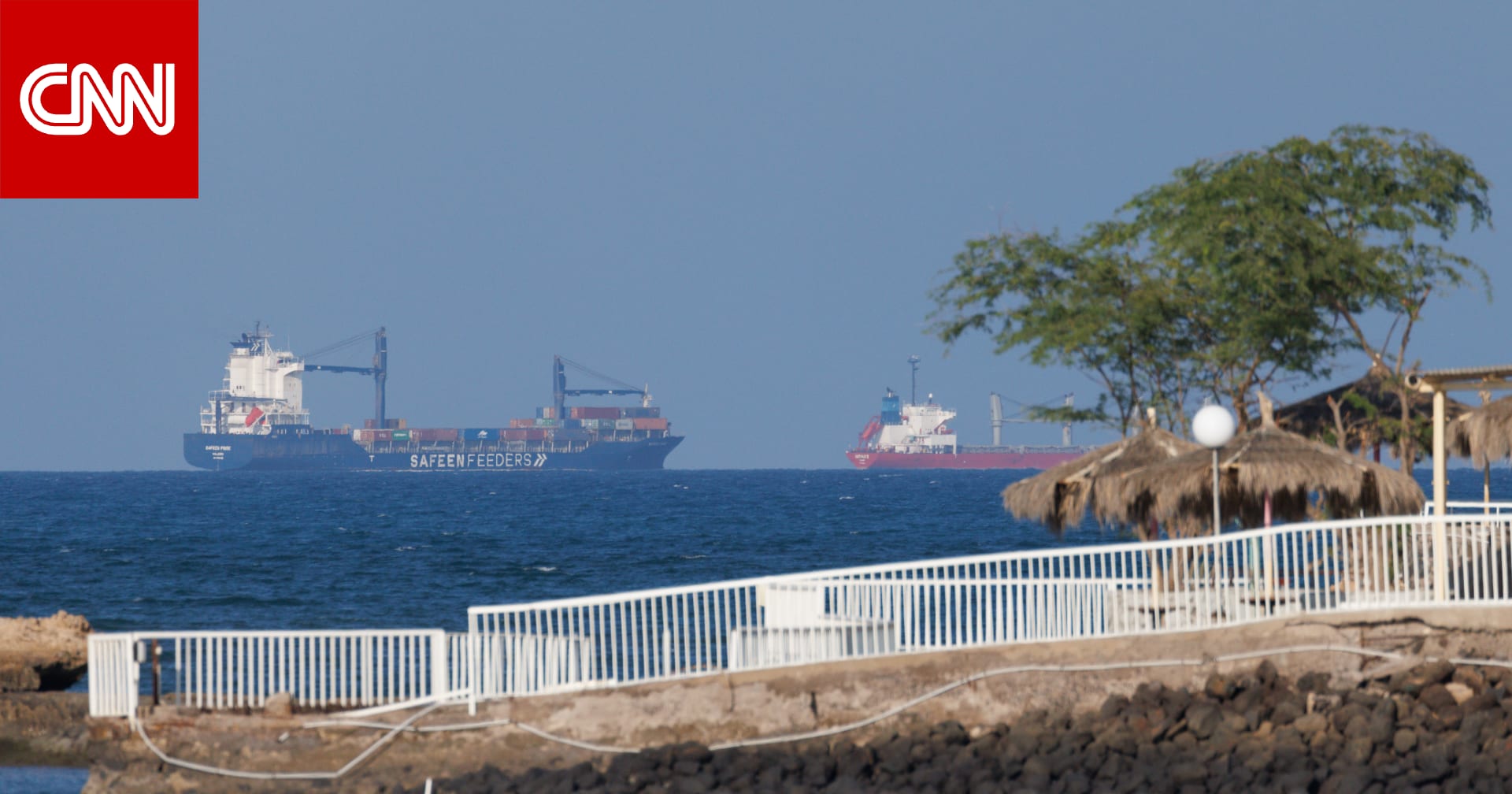
In addition to oil and gas, the Bab el-Mandeb Strait is part of the main trade link between East and West, with dozens of cargo ships crossing its waters daily.
Image caption, The cargo ship 'Ever Given' blocked the Suez Canal in 2021
Closure of the strait would have a similar effect to the events of 2021, when the Panama-flagged cargo ship 'Ever Given' ran aground, leading to the closure of the Suez Canal.
That caused severe bottlenecks in global supply chains, leading to increased costs and delays in deliveries of oil and a wide range of goods.
The role of the Houthis
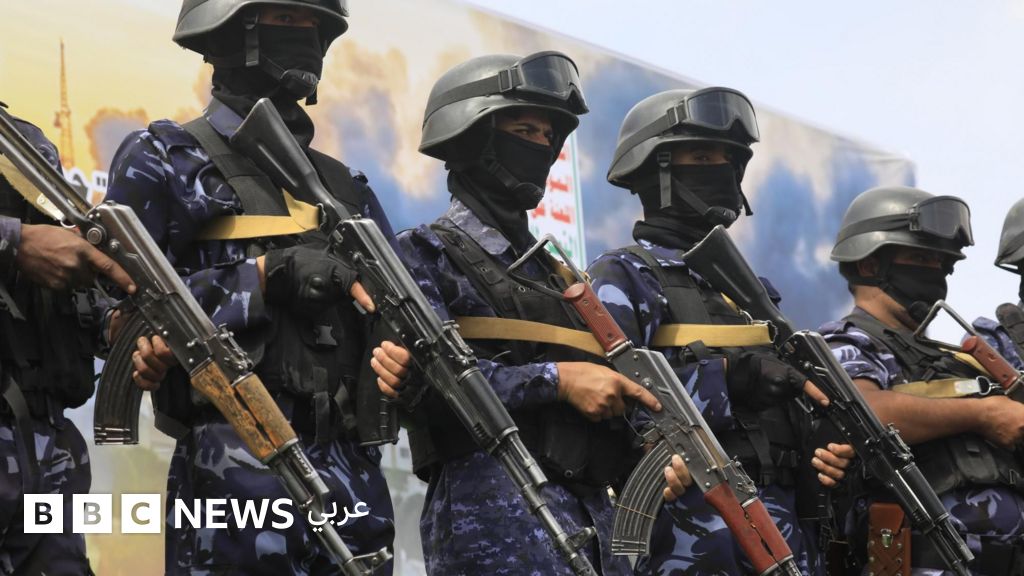
Any attacks on the Bab el-Mandeb Strait are likely to be carried out by the Houthis, the Iranian-backed political and military group in Yemen.
In a previous statement to Reuters on condition of anonymity, one Houthi leader said the group is 'militarily ready' to target the Bab el-Mandeb Strait in support of Tehran.
On March 28, the Houthis launched an attack on Israel, their first intervention in the US-Israeli war with Iran. Israel announced it shot down two missiles coming from Yemen.
The group controls Yemen's Red Sea coast and has targeted the Bab el-Mandeb Strait during the Gaza war.
The Houthis have individually attacked more than 100 commercial ships with missiles and drones, sinking two vessels and killing four sailors.
Image caption, The Houthis forcibly hijacked the cargo ship 'Galaxy Leader' in 2023
Skip podcast and continue reading
Worth attention
In-depth explanation of key events and topics, to help you understand the most important changes around you and their impact on your life
Episodes
End podcast
In November 2023, the group used a helicopter to hijack a cargo ship operated by Japan and owned by Britain in the Red Sea.
Despite the Houthis' claim that they only target ships linked to Israel, the attacks were widely described as indiscriminate, prompting many of the world's largest shipping and oil companies to suspend their vessels' transit through the area.
Those attacks eventually subsided, amid US claims of Houthi surrender and counter-claims from the Houthis that the US was the one that backed down, but analysts fear they could resume.
Lys Doucet, BBC's senior international correspondent, says: 'It has long been expected that the Houthis in Yemen would join this war if it prolonged.'
She adds: 'The Houthis, who control northwestern Yemen, have not yet used their strongest weapon - their ability to disrupt traffic through Bab el-Mandeb, the vital maritime corridor connecting the Red Sea to global trade routes.'
On February 26, the Maritime Administration under the US Department of Transportation said in a statement: 'Although the Houthi terrorist group has not attacked commercial vessels since the ceasefire agreement between Israel and Gaza in October 2025, the Houthis still pose a threat to US assets, including commercial vessels, in this region.'
Global shipping under pressure
Image caption, Dozens of ships carrying thousands of tons of goods cross the strait every day
Bab el-Mandeb, which means 'Gate of Tears,' reflects the risks inherent in it, from strong currents and variable winds to piracy and conflicts.
Between 2008 and 2012, the Bab el-Mandeb Strait and surrounding waters witnessed numerous pirate attacks, mostly carried out by Somali groups that kidnapped ship crews for ransom.
These incidents prompted the international community and shipping companies to enhance security in the region.
Imposing a blockade on the strait today would exacerbate the energy market crisis already tense due to the situation in the Strait of Hormuz.
The halt of navigation in the Gulf has led to an increase in Brent crude prices from about $70 a barrel before the crisis to more than $115.
Global trade in a wide range of goods, from consumer products to agricultural commodities, is also affected.
Any new disruption in another sea route could lead to further price increases and worsen the economic repercussions of the conflict with Iran.
Discover more
Skip shorts and continue
Shorts
End shorts
Lessons from history: Will the Iran war be the new Suez crisis? 30 March 2026
Why are all sectors of life affected by rising oil prices? 10 March 2026
Original source: BBC Arabic


Comments (0)
Be the first to comment.