2026 World Cup by the numbers: 292 goals in 100 matches through to the end of the quarterfinals
A hundred matches, two hundred and ninety-two goals, and twenty stunning comebacks — this is the harvest of the 2026 World Cup through to the completion of the quarterfinals. A tournament defined by numbers before results, it gathered within it all elements of excitement from late goals to controversial red cards and dramatic score reversals, placing the observer before an exceptional edition worthy of reflection and analysis before heading into the semifinals.
The tournament by the numbers: 100 matches and 292 goals at an average of 2.92
Statistics for the tournament up to the end of the quarterfinals recorded 100 matches that produced 292 goals at an average of 2.92 goals per match, a figure reflecting a remarkable scoring abundance throughout the competition. These goals were distributed over four rounds of varying intensity:
Group stage: 72 matches resulted in 215 goals at an average of 2.99 goals per match, the highest among the rounds.
Round of 32: 16 matches and 42 goals at an average of 2.63, the lowest in the tournament, reflecting teams' caution in the direct knockout phase.
Round of 16: 8 matches and 23 goals at an average of 2.88, with a relative return to attacking openness.
Quarterfinals: 4 matches and 12 goals at an average of 3.00, the highest in the knockout rounds, indicating that the eight teams played open encounters despite the high stakes.
Eight matches were decided after regular time, four of which went to penalty shootouts, meaning about 8% of total matches required extra time.
The journey of goals: drama from the 2nd minute to beyond the 90th
Ismail Savaire wrote his name in the tournament record with the fastest goal, scoring in just the 2nd minute in the match between Scotland and Morocco. At the other end of the numerical scale, the match between Germany and Curaçao in the first round set two records at once: the biggest win in the tournament with a 7-1 result, and the highest-scoring match with a total of 8 goals.
In terms of goal distribution, the second half with its added time was the most productive with 165 goals, compared to 123 goals in the first half, while extra time added 7 goals. Most notably in this context, 34 goals were scored from the 90th minute onward in regular time, a figure that alone explains the drama experienced by viewers. Penalty goals during play reached 14, equaling own goals which also numbered 14.
As for comebacks, they were the tournament's most prominent feature, with 20 cases of winning after trailing. Among the most notable: the USA's comeback from behind to beat Paraguay 4-1 in the first round, Morocco's turnaround against the Netherlands in the Round of 32 by drawing then winning 3-2 on penalties, Argentina's comeback from behind to overcome Egypt 3-2 in the Round of 16, as well as England's defeat of Norway 2-1 after trailing in the quarterfinal.
The race for top scorer: Mbappé and Messi share the lead with 8 goals each
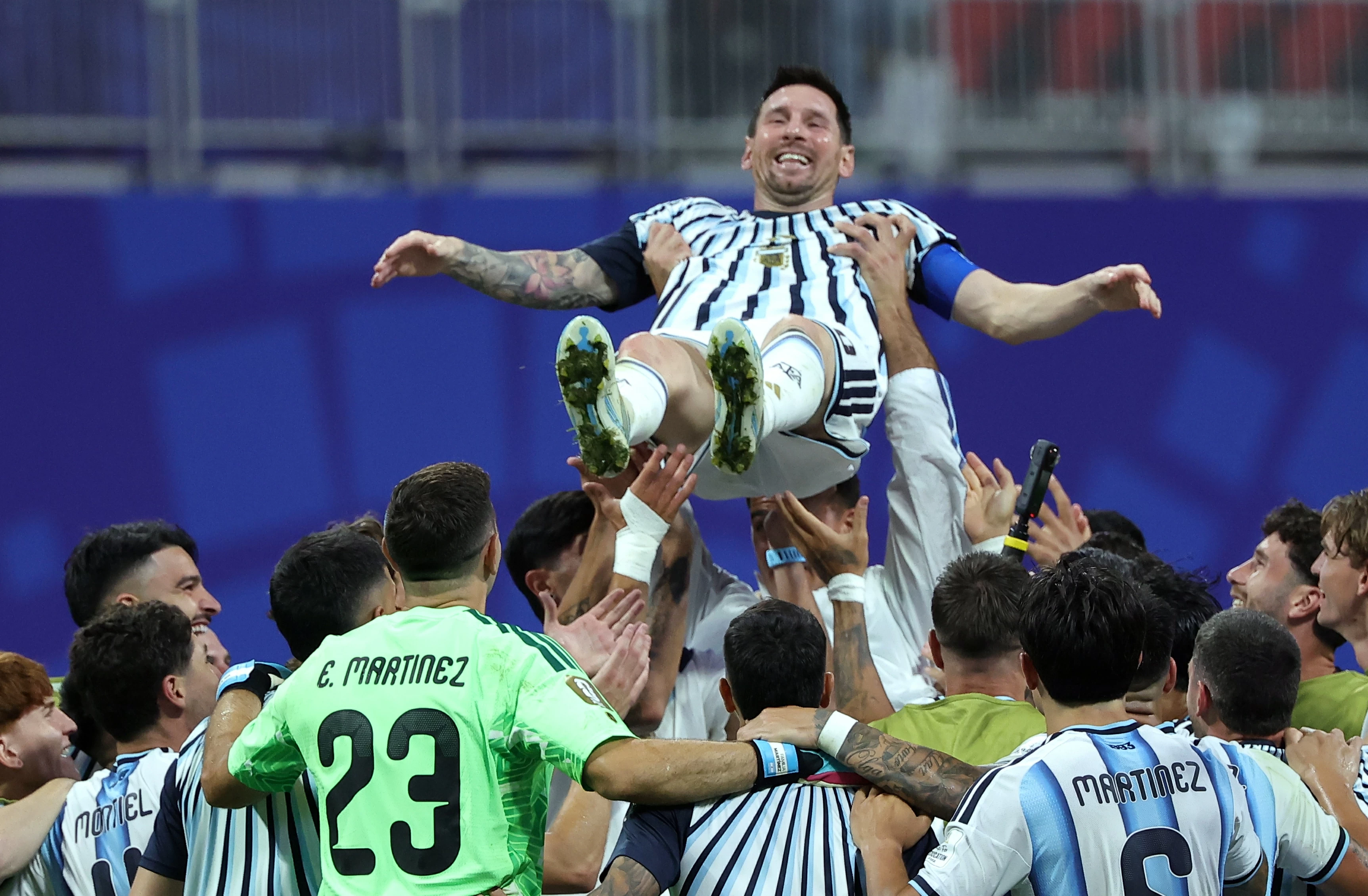
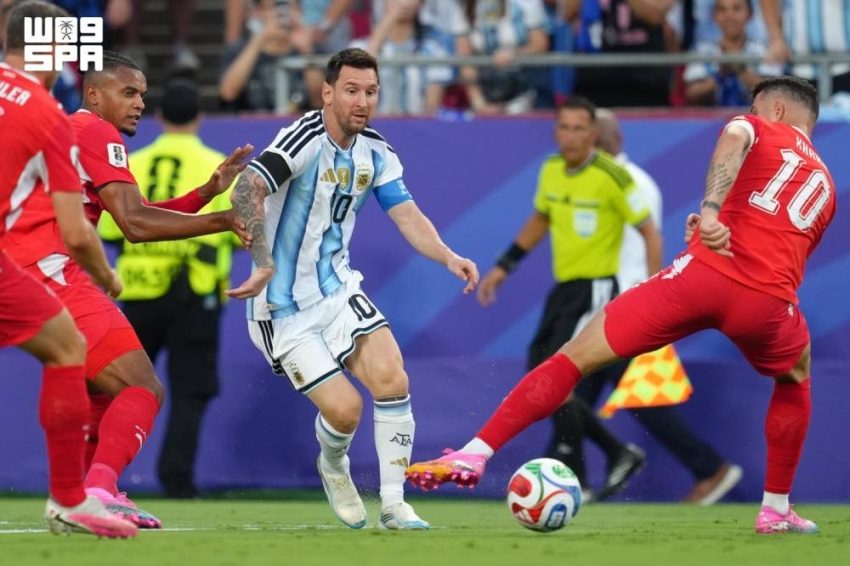
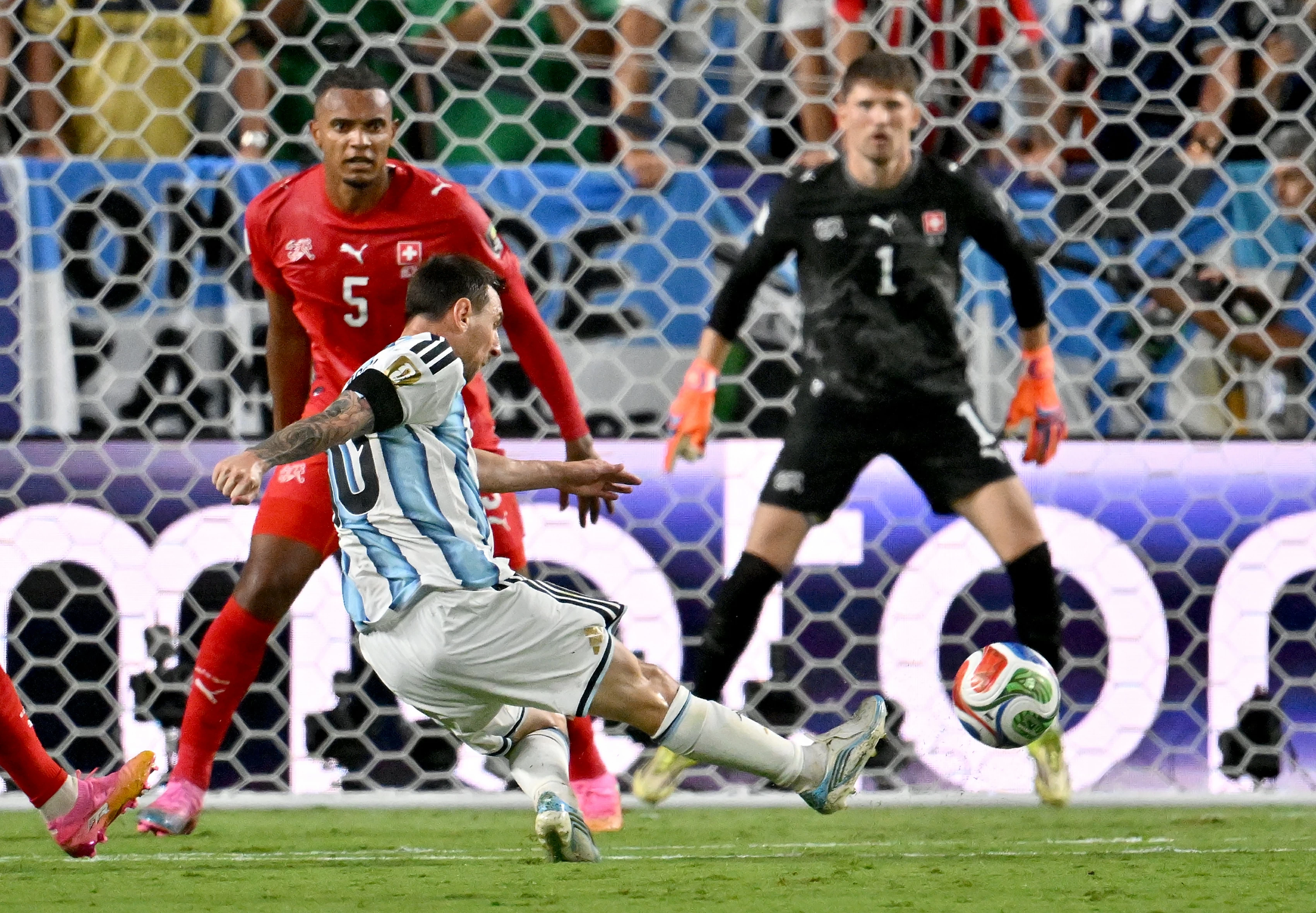
Topping the scorers' list are Kylian Mbappé and Lionel Messi with the same number, 8 goals each, but the details reveal fine differences. Mbappé scored one penalty and made 3 assists in 6 matches, while Messi scored all eight from open play without any penalties and added 2 assists in just 5 matches, meaning a higher average per match.
In third place is Erling Haaland with 7 goals in only 4 matches, the highest average among the top ten scorers. Jude Bellingham and Harry Kane share fourth place with 6 goals each, noting that Kane scored two penalties. Completing the list are Ousmane Dembélé with 5 goals and 2 assists, then Julián Quiñones, Mikel Oyarzabal, Ismail Sarr, and Vinícius Júnior each with 4 goals.
A look at the numbers of the quarterfinal teams: Numbers don't lie but they don't tell the whole story
The cumulative statistics of the quarterfinal teams revealed notable gaps between statistical performance and results on the pitch. Spain topped the possession index with an average of 66.0% and a passing accuracy of 90.3%, which they shared with Argentina, with 40 shots on target, which was reflected in the strongest defense among the eight teams, conceding just one goal in 6 matches.
In contrast, Norway presented a different model; despite scoring 13 goals, they conceded 11, and exited the tournament against England after extra time. France stood out with the highest passing accuracy after Spain and Argentina at 88.5%, along with 47 shots on target, the highest among the eight, while Belgium settled for 51.0% possession and 84.2% passing accuracy but scored 14 goals before being eliminated by Spain. Switzerland had the most yellow cards with 8, along with one red.
Defenses, attack, and discipline: Spain fortifies its throne with 5 clean sheets
In terms of the strongest defenses among teams that played 4 matches or more, Spain reigned supreme conceding only one goal and recording 5 clean sheets, followed by Colombia with one goal conceded and four clean sheets, then France with two goals conceded and four clean sheets, then Mexico and Australia with three goals conceded and four and two clean sheets respectively.
Offensively, Argentina topped the list with 17 goals in 6 matches, followed by France with 16, then Belgium with 14, then Norway and England with 13 goals each. In terms of discipline, the tournament saw 258 yellow cards and 14 red cards in 100 matches, with the match between Mexico and South Africa being the most eventful in this regard as it saw 3 red cards in one match.
What do the numbers say about what awaits us in the semifinals?
The tournament now stands at a critical juncture, and the accumulated numbers carry promises of more excitement. The quarterfinal average reached 3.00 goals per match, the highest in the knockout rounds, suggesting that the four remaining teams — France, Spain, England, and Argentina — have not abandoned their attacking approach despite the weight of the stage. Between Spain's rock-solid defense and Argentina's most prolific attack, and between Messi and Mbappé tied at the top of the scorers' list, the numbers seem to be preparing fans for a final chapter that will be no less dramatic than what preceded it.
Follow the coverage of the 2026 World Cup moment by moment — results, match schedule, and group standings on Sabq.
Original source: Sabq

Comments (0)
Be the first to comment.