2030 World Cup Final Battle: Will It Go to Madrid or Casablanca?

The race to host the 2030 World Cup final is turning into one of the most exciting issues behind the scenes, after Spain and Morocco entered a fierce competition to decide the right to organize the most important match in world football, although the tournament will be held jointly between Spain, Portugal, and Morocco, with three opening matches taking place in Uruguay, Argentina, and Paraguay to celebrate the World Cup centenary.
According to The Athletic, FIFA is still withholding its decision on which stadium will host the final, as each side intensifies its efforts to convince FIFA officials.
Santiago Bernabéu Stadium is the Spanish Football Federation's first choice, although Camp Nou also meets FIFA requirements after its renovation work is completed.
The Spanish bid is based on several factors, most notably that Spain will host the largest number of tournament matches, in addition to its long experience in organizing major events, and its possession of one of the most famous stadiums in the world, which has previously hosted the 1982 World Cup final, the European Cup final, the Champions League final, and the Copa Libertadores final.
The Bernabéu has also undergone massive development in recent years costing around 1.5 billion euros, including increased hospitality and media facilities, a comprehensive renovation of the facility, as well as hosting the first NFL game in Spain.
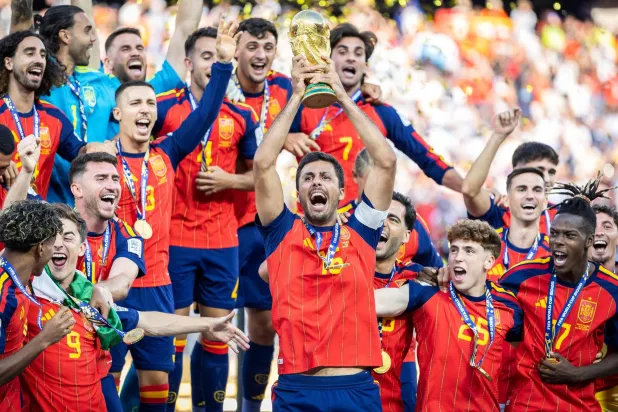
Sources within the Spanish Federation believe that the Spanish national team's 2026 World Cup title has strengthened the Spanish bid, on the basis that the country is one of the world's biggest football powers.
In contrast, Morocco began preparing its bid even before its hosting was officially approved, by building the new Hassan II Stadium near Casablanca, with a capacity of 115,000 spectators, and government support of nearly one billion euros.
The project includes an integrated infrastructure network of trains and highways connecting the stadium to the city of Casablanca and the capital Rabat, in line with all FIFA requirements.
Moroccan officials have repeatedly affirmed their desire to host the final, considering that the new stadium gives them a significant advantage as it was designed from the start according to FIFA needs.
Morocco also relies on a symbolic dimension, which is that the African continent has hosted only one final in World Cup history, when the 2010 edition final took place in South Africa.
Morocco also benefits from the strong presence of its federation president Fouzi Lekjaa in international football circles, as he holds the position of first vice president of the African Football Confederation, a member of the FIFA Council, and is one of the most prominent supporters of FIFA President Gianni Infantino.
Informed sources indicate that the close relations between Morocco and FIFA leadership give it additional weight in the race to host the final.
In contrast, the Spanish Federation has suffered from administrative turmoil in recent years following the departure of former president Luis Rubiales, while current president Rafael Louzán, according to sector sources, does not have the same international relations network as his Moroccan counterpart.
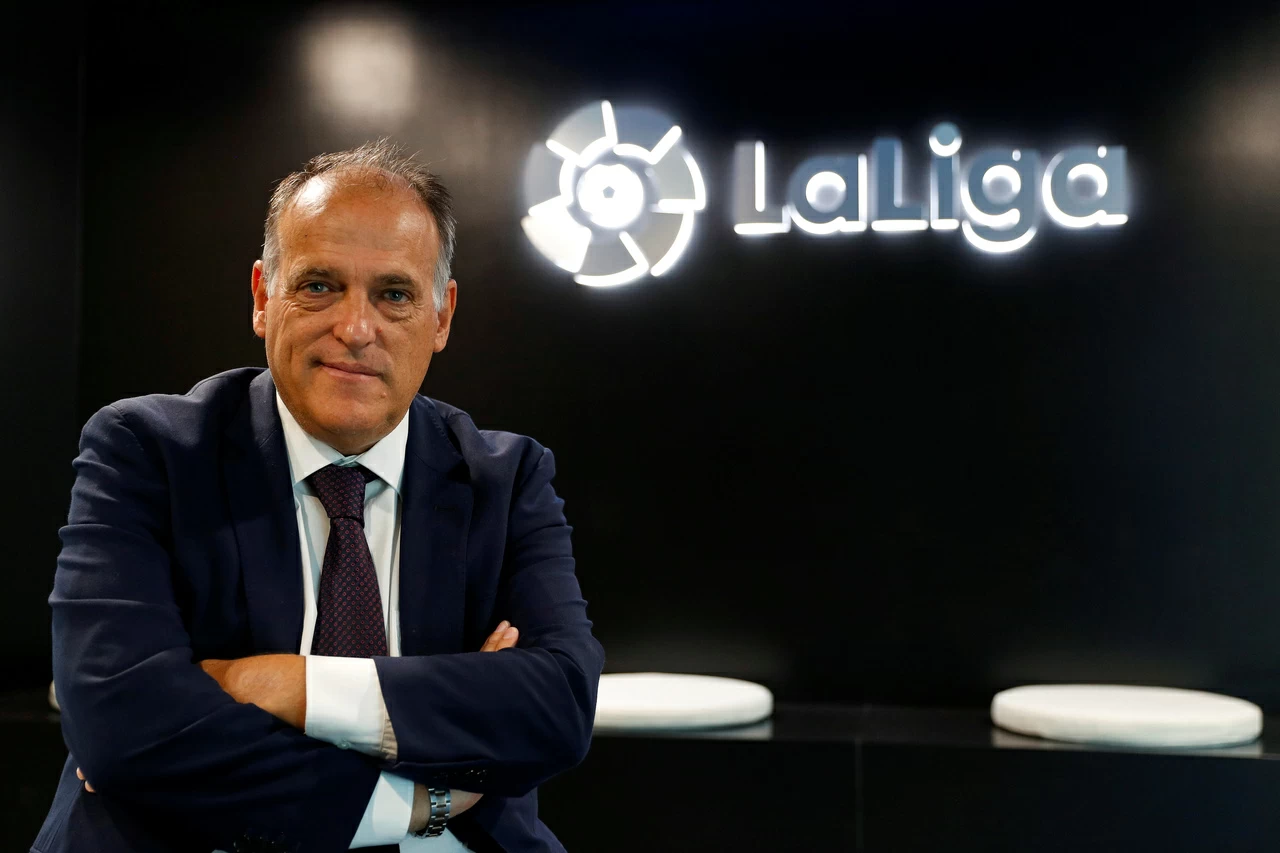
Statements by Spanish league president Javier Tebas, who attacked FIFA and its president Gianni Infantino after Spain won the 2026 World Cup, also raised concerns within Spanish circles about their impact on the bid, as informed sources considered that entering a media confrontation with FIFA at this time does not serve Madrid's chances.
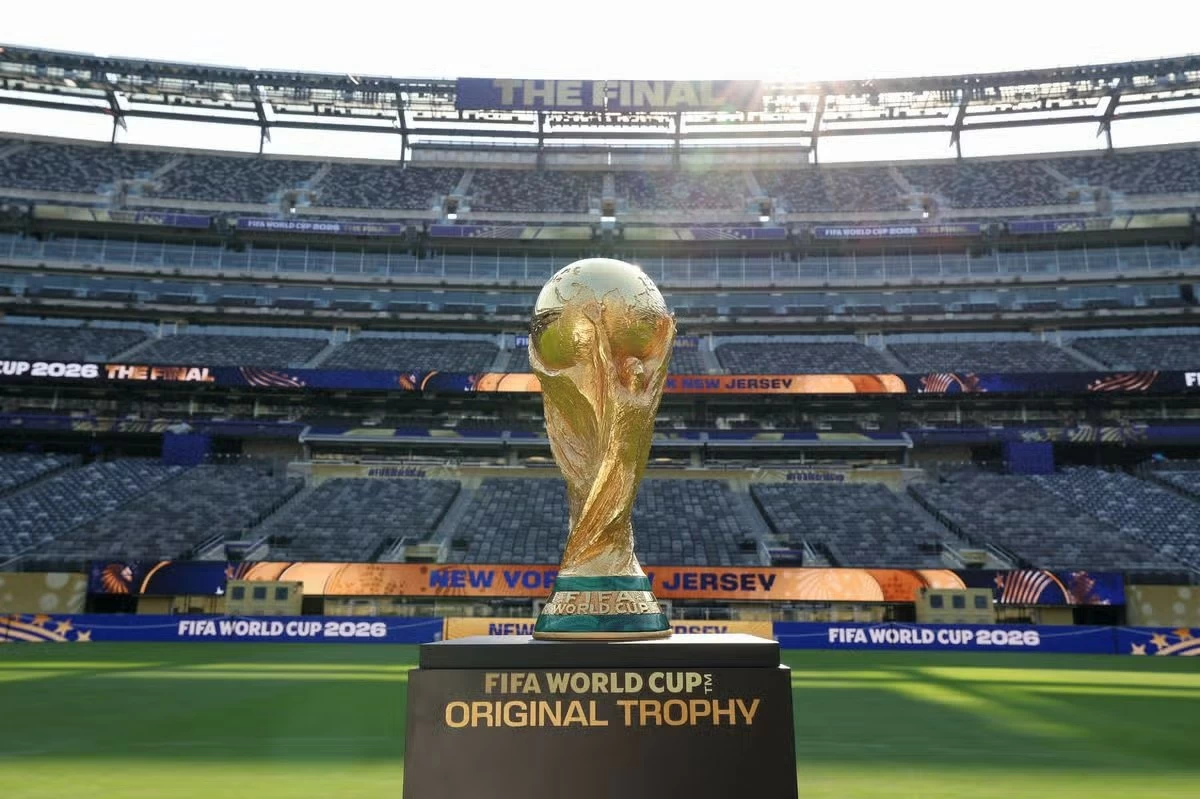
The final decision remains in FIFA's hands, which has been accustomed to deciding such bids within a narrow circle led by Infantino and senior officials in the international federation, as happened when choosing the stadium for the 2026 World Cup final.
Multiple sources believe that FIFA prefers stadiums that give it the greatest flexibility and organizational control, which may give Morocco an advantage, given the direct government support for the project.
In contrast, the Spanish are betting on the relationship between Real Madrid president Florentino Pérez and Infantino, in addition to the historical status of the Santiago Bernabéu Stadium.
Spanish media have sparked speculation about the possibility of US political pressure to support the Moroccan bid, given the close relations between Washington and Rabat, but other sources ruled out a direct impact, noting that the hosting decision will ultimately be issued according to FIFA's calculations and organizational interests.
Discussions are expected to continue in the coming months, with continued visits by officials from host cities to gain organizational experience, while the next FIFA Congress in Rabat next March is likely to provide more indications about the direction of the decision.
Despite the confidence shown by both sides, all sources agree that the final word will remain with the leadership of FIFA, which has not yet decided the identity of the stadium that will host the 2030 World Cup final.
Original source: Asharq Al-Awsat


Comments (0)
Be the first to comment.