78% of Saudis: Playing Prepares Us for Future Challenges

A recent research study revealed that 78% of Saudis believe that playing better prepares them for future challenges and achieving professional success, significantly outperforming citizens of many countries, including South Korea, Germany, and Japan.
The study showed that 78% of Saudis confirm that playing prepares them better for future challenges, compared to 46% in the United Kingdom, 41% in South Korea, 32% in Germany, and 29% in Japan. Also, 78% believe that playing contributes to achieving higher levels of success in work or higher education, compared to 39% in South Korea, 36% in the United Kingdom, 33% in Japan, and 30% in Germany.
83% of Saudis affirm that playing positively impacts their social skills and human relationships.
The results of the study, commissioned by Qiddiya City in cooperation with Toluna and the Boston Consulting Group (BCG), and included more than 2,600 participants from GCC countries, Asia, and Europe, showed that 87% of Saudis would be happier if they allocated more time for playing in their lives, compared to 56% in South Korea, 49% in Japan, and 48% in Germany. Also, 86% of Saudis believe that playing contributes to enhancing their health and physical fitness, compared to 46% in Germany and 41% in Japan. In contrast, adults worldwide only allocate two hours per day for entertainment and playing, compared to about seven hours they spend at work.
Also, 83% of participating Saudis affirm that playing positively impacts their social skills and human relationships, while 81% believe it enhances feelings of empathy and cooperation with friends and family members. Also, 82% affirm that playing enhances creativity and problem-solving ability, while 83% indicate its role in helping them generate new ideas and innovate solutions and different experiences.
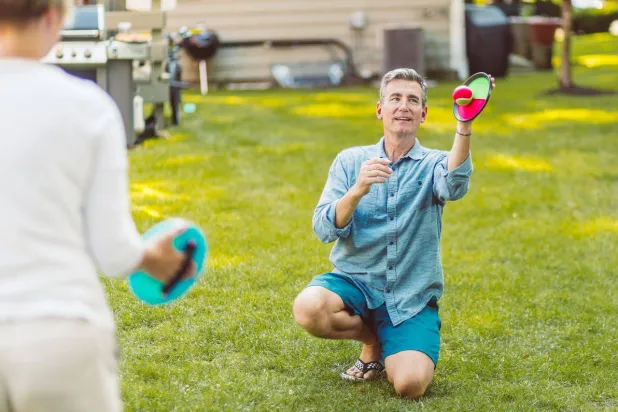
In response to this growing societal desire for comprehensive growth and enhanced well-being, Qiddiya City announced the launch of its initiative 'Playing Revives Us,' which highlights the importance of playing as an innate human instinct, even though its potential remains underutilized. The initiative addresses a growing challenge of Saudis not allocating enough time for playing. Despite their awareness of its value and impact, work pressures, routine, and daily life demands lead to a decline in the presence of playing in their lifestyles. The question 'Do you play enough?' forms the core of the initiative, as the idea of 'Playing Revives Us' aims to revive this natural instinct throughout the Kingdom, and solidify Qiddiya City's position as the premier global destination for promoting a culture of playing and unlocking human potential.
For his part, the Chief Marketing and Destination Management Officer at Qiddiya Investment Company, Mohammed Basrawi, said that playing is an integral part of human formation; through it we learn, grow, enhance our bonds, and innovate. This study confirms that Saudi society instinctively realizes that playing is a comprehensive positive force that reflects on our minds, bodies, relationships, and careers. From this standpoint, we continue building Qiddiya City to be a destination that unleashes this positive energy, and enables current and future generations to live healthier and happier lives.
Despite the recognition of the importance of playing and the growing desire to engage in it, modern life challenges still pose an obstacle to integrating it into daily life. The study showed that 48% of participants worldwide believe they are too busy and do not have enough time for playing, while 43% cited work pressures and numerous commitments as among the most prominent obstacles, while 41% considered high activity costs and unsuitable prices as an additional challenge.
As for the most prominent factors individuals look for when choosing new playing destinations, the global study results showed that 56% of participants consider affordable prices a key factor, while 50% prefer options and experiences suitable for all ages, while 50% consider avoiding crowding and maintaining the quality of experience as important elements in entertainment destinations.
In the Kingdom, the results showed that the most prominent motivations for playing are relaxation, restoring mental balance, and alleviating daily life pressures at 68%, while 55% said they resort to playing as a way to take a break from work, daily tasks, or routine, while 52% do it to improve health and physical fitness, enhance communication with friends and family, and form new social relationships.
Original source: Akhbaar24


Comments (0)
Be the first to comment.