Africa Emerges with Historic Gains from 2026 World Cup

The curtain fell on the African teams' participation in the 2026 World Cup with Morocco's exit in the quarter-finals, yet the continent's tally in the first edition of the tournament with 48 teams carried many positive indicators, despite the absence of any African representative in the semi-finals.
Africa recorded a distinguished participation as nine out of ten teams succeeded in reaching the knockout stages, an achievement reflecting the significant development witnessed by the continent's teams, while Tunisia was the only team to exit the tournament in the group stage.
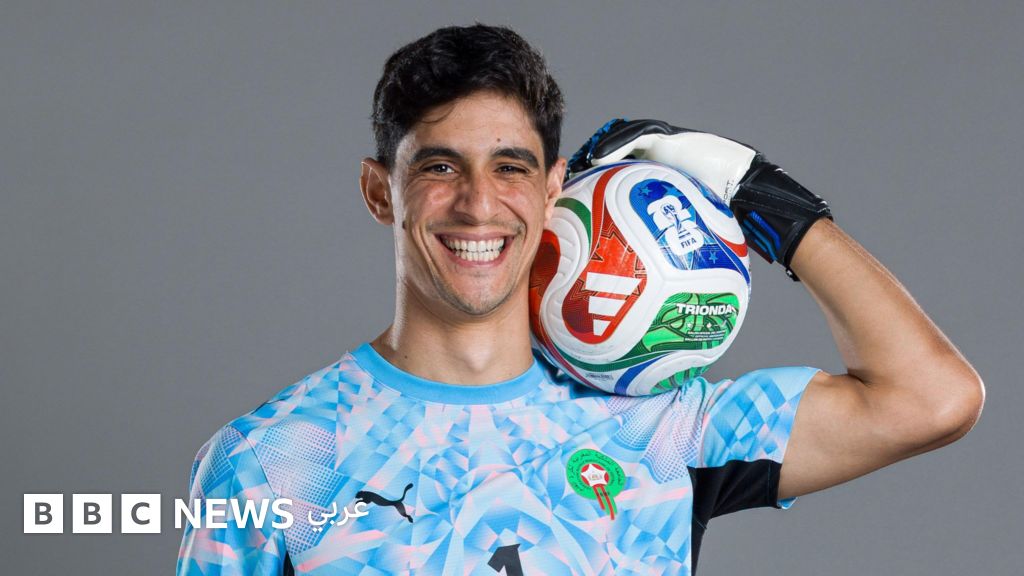
Despite not repeating Morocco's historic achievement in the 2022 Qatar World Cup, when they became the first African team to reach the semi-finals, the 'Atlas Lions' delivered a strong tournament before their journey was halted in the quarter-finals by France, for the second consecutive time in the World Cup, after overcoming the Netherlands in the Round of 32 and putting on an impressive performance since the group stage.
Egypt makes history
The Egyptian team recorded its best participation in World Cup history, achieving its first victory in the tournament and reaching the Round of 16 for the first time.
The 'Pharaohs' were minutes away from a stunning upset against Argentina, leading 2-0 until the 79th minute, before the defending champions turned the score to a 3-2 victory, in a match that sparked refereeing controversy over some VAR decisions.
Additionally, the DR Congo, Ivory Coast, and Senegal teams lost qualification spots after squandering their leads in the final minutes of knockout stage matches.
Senegalese disappointment
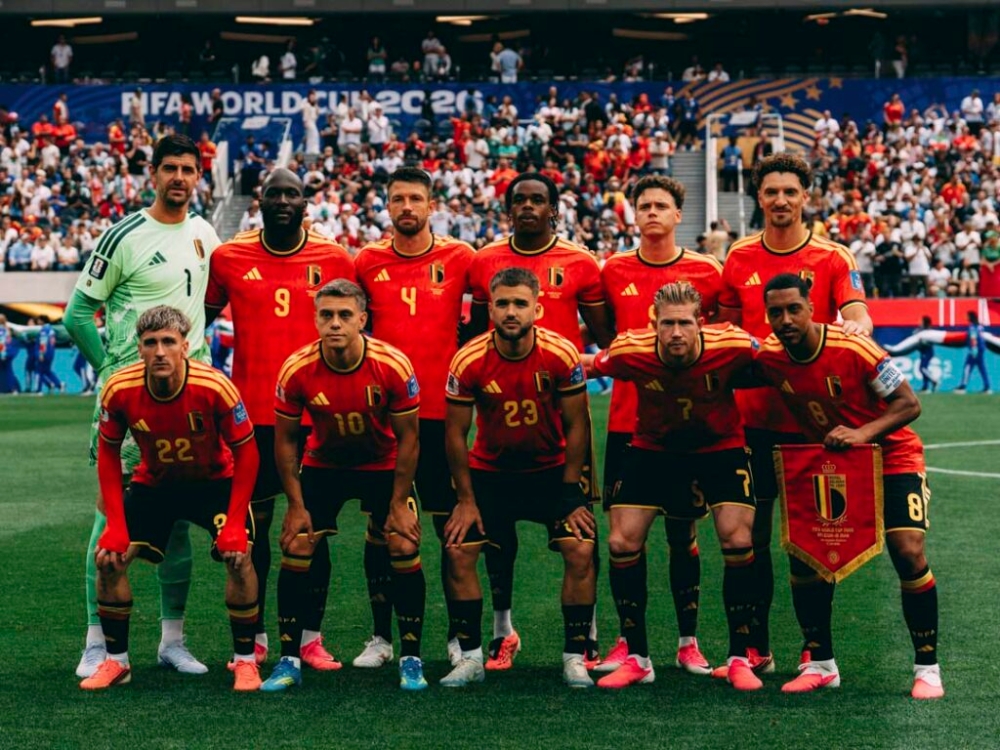
The Senegalese team entered the tournament as one of the main candidates to lead African football to a new achievement, but a shaky start with losses to France and Norway weakened their chances, before they exited the competition after a painful loss to Belgium, despite leading 2-0 until the final minutes.
Goalkeeper Édouard Mendy said his country's exit represents a 'failure', stressing that the team had the qualities to go further, and called for a thorough and honest review of what happened during the tournament.
Cape Verde: The tournament's surprise
Cape Verde stole the spotlight by delivering one of the tournament's biggest surprises, qualifying for the knockout stages and forcing Argentina into extra time in the Round of 32, before narrowly losing 3-2.
The team received a huge public welcome upon its return home, as many considered its performance against the world champions a historic achievement, especially after drawing with Spain and Uruguay in the group stage.
Tunisia: The only exception
In contrast, Tunisia was the only African team that failed to advance past the group stage, after starting their campaign with a heavy 5-1 loss to Sweden, a result that cost coach Sabri Lamouchi his job, before Frenchman Hervé Renard took over, but could not save the team's campaign.
Eyes turn to upcoming competitions
After the 2026 World Cup concludes, attention shifts to the 2027 Africa Cup of Nations, scheduled in Kenya, Tanzania, and Uganda, followed by the 2028 edition, after which the tournament will switch to a quadrennial format.
The continent is also preparing to host part of the 2030 World Cup finals through Morocco, which will co-host the tournament alongside Spain and Portugal.
Original source: Akhbaar24



Comments (0)
Be the first to comment.