Al-Kalawi writes: Egypt aims to compensate for Algeria's exit from the World Cup
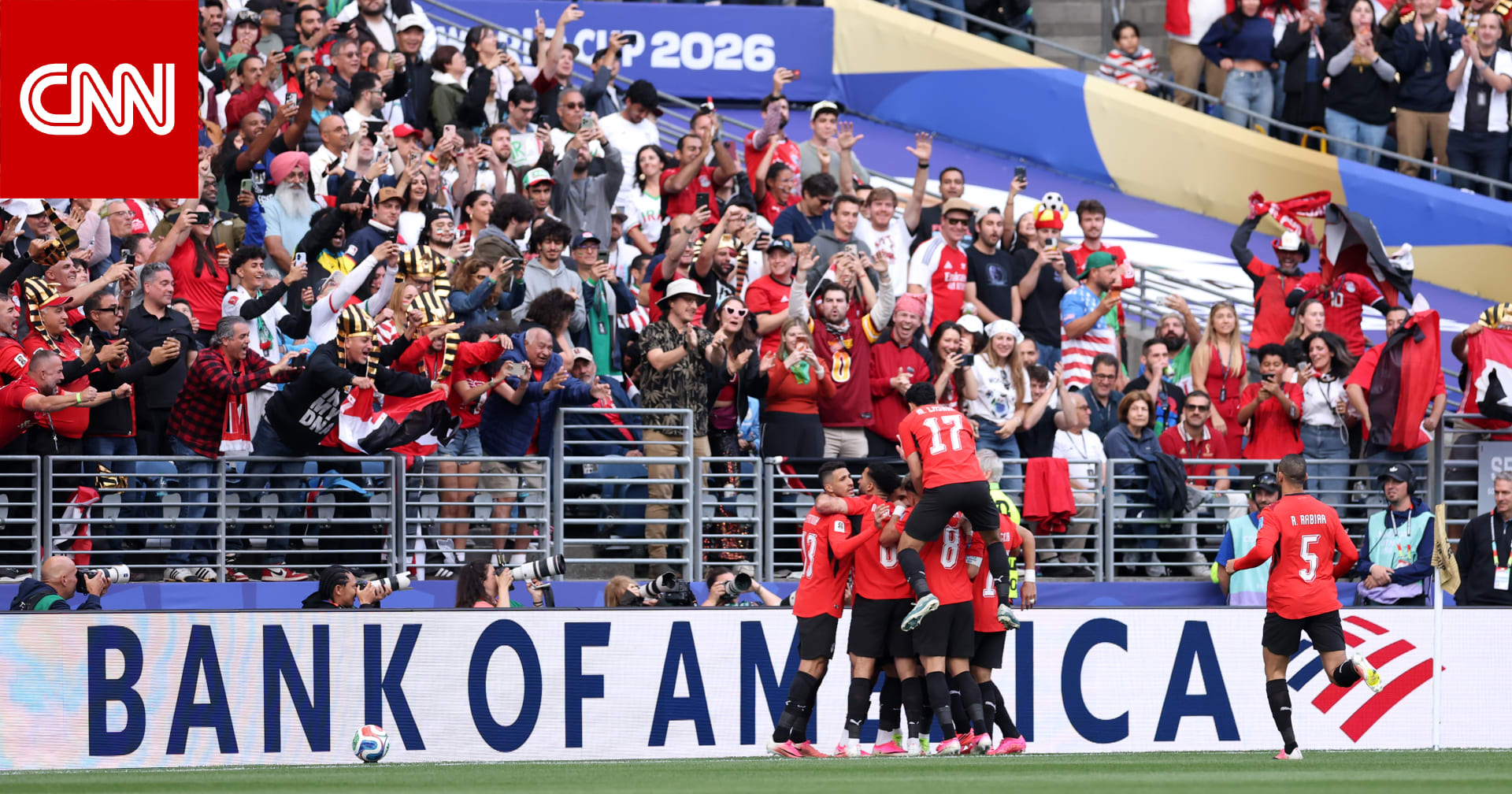
Hours before Egypt's match against Australia in the Round of 32 of the US-Mexico-Canada World Cup, the responsibility of the 'Pharaohs' team has doubled before the Arab and Egyptian fans, as they follow the exit of their Algerian brothers from the competition after losing to Switzerland by two clean goals.
Credit: Richard Heathcote/Getty Images
This article is by Egyptian journalist and sports critic Ezzedine Al-Kalawi, and the views below are those of the author and do not necessarily reflect the views of CNN.
(CNN)--Hours before Egypt's match against Australia in the Round of 32 of the US-Mexico-Canada World Cup, the responsibility of the 'Pharaohs' team has doubled before the Arab and Egyptian fans, as they follow the exit of their Algerian brothers from the competition after losing to Switzerland by two clean goals.
In the match between the 'Desert Warriors' and Switzerland, luck abandoned Algeria in finishing attacks and not capitalizing on available opportunities, or some fatal defensive errors, one of which gifted a pass that was like an 'assist' for the second goal scored by Dan Ndoye in the first minute of the second half.
With Algeria's exit, the only representative of Arab football in the World Cup is Morocco, after they defeated the Netherlands on penalties in the Round of 32 with unparalleled courage and brilliance, and they await a clash with Canada in the Round of 16 to continue their march toward the quarterfinals, aiming to approach their historic achievement in the Doha World Cup where they finished fourth.
The Egyptian team knows that overcoming Australia is neither difficult nor impossible, but the match will not be easy, as Hossam Hassan pointed out in his pre-match press conference, explaining that he watched many recordings of Australia's matches, whether in the Asian Cup finals or Asian World Cup qualifiers, and that he learned about the team's style, strengths, and weaknesses, especially their players' height and physical strength. He said he has devised the appropriate plan to deal with the Australian opponent.
As voices in the Egyptian media escalate warning of the danger of the Australian team, I hope this does not affect the team's performance, causing them to play defensively with five defenders, relying only on counterattacks. This would close the match and make it complicated, as the Australians play with a similar style, relying on quick transitions and long passes behind the defense to quickly move the attack to the opponent's half.
Hossam Hassan tends to secure the defense well while building play from the back and advancing steadily, relying on the skill and speed of Salah and Marmoush to destabilize the defense, and the forward runs of Ziko and Emam Ashour from behind to support the attack, and resorting to shooting to break the Australian defensive block, avoiding ending attacks with high crosses that Australian defenders will handle with their towering heights.
I hope that Hossam Hassan has technically benefited from studying the Australians' weaknesses and defensive gaps that appeared in their Asian World Cup qualifier matches against Bahrain, ranked 92nd in the world, who outplayed the Australians and beat them with a goal on their home turf—an own goal scored by Harry Souttar, one of the best defenders, into his own net. The defeat almost repeated in Manama as Bahrain led 2-1 until the 96th minute, but Koussini managed to snatch an equalizer.
The Australians also drew in three other matches against Japan and Saudi Arabia, including a draw that felt like a loss against Indonesia, ranked 118th in the world.
All these results prove that the Australian team is within reach. The Pharaohs need to play with confidence and calm, avoid mistakes, impose their rhythm while maintaining defensive discipline, and vary their attack from the center and wings, exploiting quick transitions by relying on the speed of Salah and Marmoush. Today we might also see Haitham Hassan, the Real Oviedo winger, along with Ziko or Trezeguet.
Original source: CNN Arabic

Comments (0)
Be the first to comment.