Arab Cycling Union: Five Decades
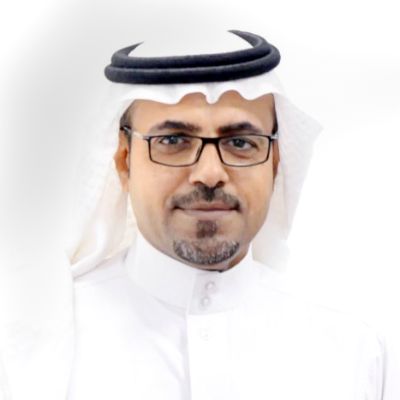
Abdullah Al-Obaidi
Arab Cycling Union: Five Decades
July 15, 2026 - 00:14 | Last updated July 15, 2026 - 00:14
Follow Okaz channel on WhatsApp
Since its founding on October 30, 1975, the Arab Cycling Union has been one of the most important tributaries of joint Arab sports work, and has contributed to building an integrated system for the development of cycling through organizing tournaments, qualifying technical and refereeing cadres, and enhancing cooperation between national federations, serving the development of the game and strengthening its presence at the Arab and international levels.
The Union's journey began in the city of Riyadh, before moving its headquarters to the Egyptian capital Cairo, then settling in the city of Sharjah in the United Arab Emirates in 2003, making Sharjah a center for its administrative and organizational work, from which initiatives that contributed to the development of cycling in the Arab world were launched.
A number of sports leaders with clear marks on its journey have succeeded to the presidency of the Union, starting with His Highness Prince Bandar bin Abdul Rahman Al Saud, who led the founding phase and laid the organizational foundations for holding Arab championships and spreading the game, then Dr. Khalid bin Ibrahim Al-Turki, who continued the journey of building and development, followed by Sheikh Faisal Al Qasimi, who supported the Union's programs and consolidated its presence on the Arab sports scene.
On August 30, 2025, Dr. Yasser Al-Dokhi was elected President of the Union during the General Assembly meeting held in the city of Sharjah in the United Arab Emirates, along with the election of Mr. Abdulaziz bin Ali Al-Shahrani as First Vice President, and Mr. Mohamed Katem from the Kingdom of Morocco as Second Vice President, and the Board of Directors, heralding a new phase of institutional work and development.
The Union continued to implement its vision aimed at elevating cycling, by updating the calendar of Arab championships, launching specialized training programs, and organizing seminars and workshops, which contribute to raising the efficiency of technical, administrative and refereeing cadres, and enhancing the exchange of expertise between Arab national federations.
The current phase has witnessed the development of the organizational structure through the activation of a number of specialized committees that play pivotal roles in implementing plans and programs, including the Technical Competitions Committee, the Disciplinary Committee, the Referees Committee, the Ethics Committee, the Women's Cycling Committee, the Media, Marketing and Investment Committee, and the Coaches Committee. This diversity reflects the Union's keenness to build an institutional work system that integrates technical, administrative, media and investment aspects.
Today, the Union stands before a promising phase that requires continued investment in human competencies, expanding the base of practitioners, strengthening partnerships with sports institutions, and benefiting from modern media and digital technologies in spreading the culture of cycling. The success of sports unions is measured by the sustainable impact they achieve in developing the sport and creating generations capable of competition and excellence, in addition to organizing tournaments and events.
After more than five decades of dedication, the Union continues to carry out its mission with confidence, based on a solid institutional legacy and an ambitious vision that looks to the future, remaining a model of joint Arab action and an effective partner in creating achievements and elevating cycling in the Arab world.
Original source: Okaz


Comments (0)
Be the first to comment.