From the Pitches to the Platforms: 'Messi Favoritism' Theories Haunt Argentina in 2026 World Cup
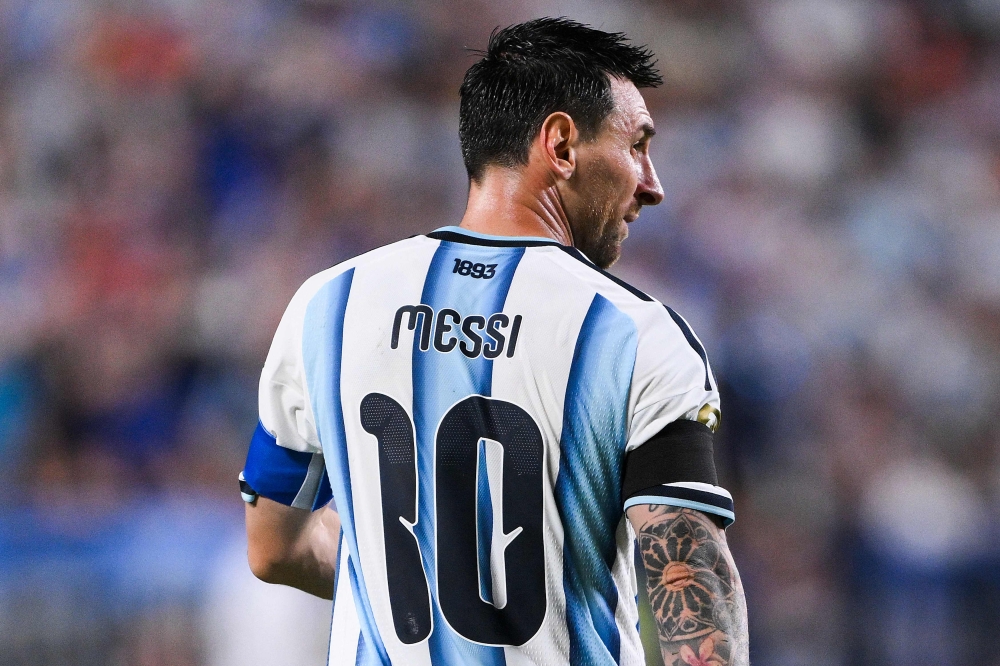
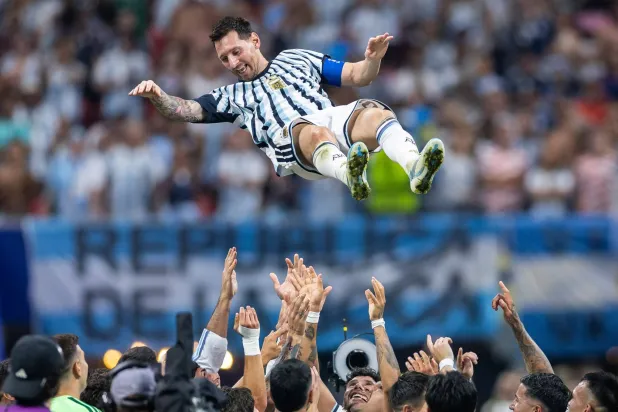
Despite legend Lionel Messi leading Argentina to the semifinals of the 2026 World Cup, where they face England in Atlanta, the defending champions' journey has not been without controversy, as accusations of favoritism toward the Argentine team in several refereeing decisions have escalated on social media platforms.
Social media has turned into a battleground for debate, with the spread of satirical images and videos, many AI-generated, depicting FIFA President Gianni Infantino in friendly scenes with Messi, attempting to mock claims of support for Argentina without providing any evidence.
Related news
The match between Argentina and Algeria in the group stage sparked the first wave of controversy, after Messi escaped a red card for a challenge on Algeria captain Aïssa Mandi. A number of analysts and former referees, including Nedum Onuoha and German Patrick Ittrich, believed the incident warranted a straight red card, while the Algerian Football Federation filed an official complaint to FIFA protesting what it described as 'refereeing injustice'.
The controversy reignited in the Round of 16 match against Egypt, after a goal by the Egyptian team was disallowed following a lengthy VAR review, sparking protests from the Egyptian technical staff. Coach Hossam Hassan claimed his team was subjected to influential decisions, hinting at a desire for Argentina and Messi to continue in the tournament, while FIFA's Referees Committee Chairman Pierluigi Collina rejected the accusations, stressing they were unfounded.
The debates continued during the quarter-final clash with Switzerland, when VAR canceled a yellow card for Leandro Paredes before showing a red card to Swiss player Breel Embolo after reviewing the incident under the 'mistaken identity' rule. The decision sparked wide division between those who considered it a correct application of the law and those who felt it directly affected the course of the match, which ended with Argentina winning after extra time.
Despite the ongoing controversy, prominent media voices rejected claims of manipulation in favor of Argentina, asserting that the refereeing decisions were subject to the application of the laws of the game and VAR technology. American writer Nancy Armour wrote in USA Today that those insisting on accusing FIFA of favoring Messi 'need stronger evidence than what is being circulated.'
As the Argentine team prepares to face England in the semifinals, refereeing controversies and conspiracy theories remain among the most prominent topics on social media platforms, in a tournament whose events were not confined to the green rectangle but extended to cyberspace, where every incident can ignite a global debate.
Original source: Al-Yaum

Comments (0)
Be the first to comment.