If Every Football Has a Home... Then Where Is Ours?

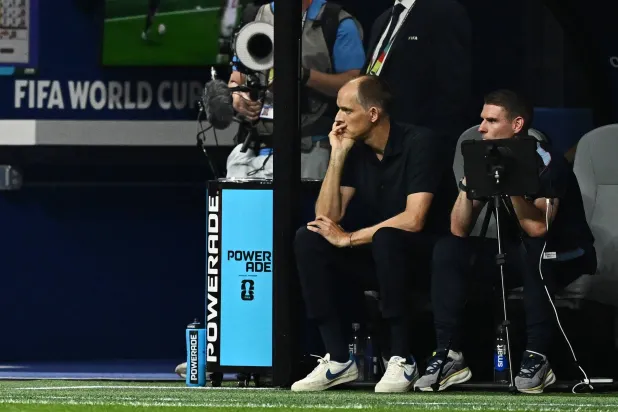
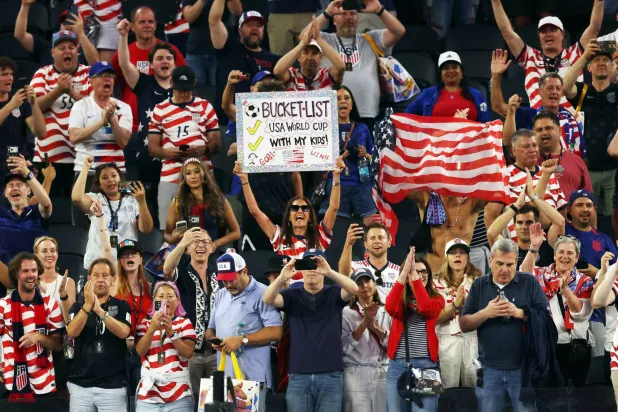
Amid the frustration that accompanied the United States' exit from the World Cup, the first thing announced by the U.S. Soccer Federation was not changing the coach, or searching for new names for the national team, but rather talking about reforming the system itself. Officials there returned to the tough questions: How do we produce the player? Why has soccer become a game that many children cannot access? And how do we build an environment that makes the national team a natural result of long-term work, not a project that starts months before the tournament?
What caught my attention most in the American experience was not the size of the investment, but its location. This year, the U.S. Soccer Federation opened the first permanent national training center in its history, housing its administrative headquarters, 17 fields, gyms, nutrition centers, and accommodating all national teams, from the grassroots to the senior team. For the first time, American soccer has a single address, a single home, and a single identity.
It may seem like a new sports facility to some, but it is in fact much more than that.
Every football needs a home. A place where its personality appears, its culture is made, its philosophy is drawn, and its programs are built. When you enter Clairefontaine in France, or St George's Park in England, or the headquarters of the Spanish federation, you don't just see fields, you see how those countries think about football, and how they want their player to look in ten years, not after the next match.
In my personal assessment, it is difficult to talk about building an integrated football identity while the Saudi Arabian Football Federation, which leads the Saudi national team, one of the masters of Asian football, does not have a national headquarters that reflects its status and ambition. The federation spent most of its history inside the Olympic Committee building, then moved to a rented building after the spaces could no longer accommodate the new sports federations.
The issue here is not the building itself, but the absence of a national center that embodies the personality of Saudi football, bringing together under one roof the federation's offices, the facilities for all national teams across different categories, technical departments, sports medicine, analysis, education, and development, to be the place where identity is formed, philosophy is outlined, and projects that are supposed to build Saudi football for the next twenty or thirty years are managed, rather than just managing its daily work.
I wrote yesterday that Germany, with four World Cup titles, sees that the path back starts from the base, not from the first team. And today the United States says the same thing, despite hosting the World Cup and despite its enormous economic potential. The message is almost the same in every successful experiment: real reform starts from the bottom, not from the top.
Football is not built from the first team down to the academy, but from the academy up to the first team. A player's identity is not forged in a short camp, but in an environment he lives in for years, absorbing the playing style, discipline, culture, and technical thinking.
Today we have large investments, we are building modern stadiums, and clubs are forming, and this gives Saudi football a historic opportunity. But this opportunity needs a project that lasts for decades, not tied to a specific generation, nor to a federation president, nor to a national team coach.
In the end, the question remains: When a Saudi child wants to see the future of football in his country, or when a foreign coach visits the Saudi federation, or when coaches of all national teams meet under one roof... where is the place that reflects the personality of Saudi football?
Because every great football has a home by which it is known... and identity always starts from an address.
*Quoted from the London-based Asharq Al-Awsat
Advertorial
Advertorial
Disclaimer: All published articles represent the views of their authors only.
Original source: Al Arabiya


Comments (0)
Be the first to comment.