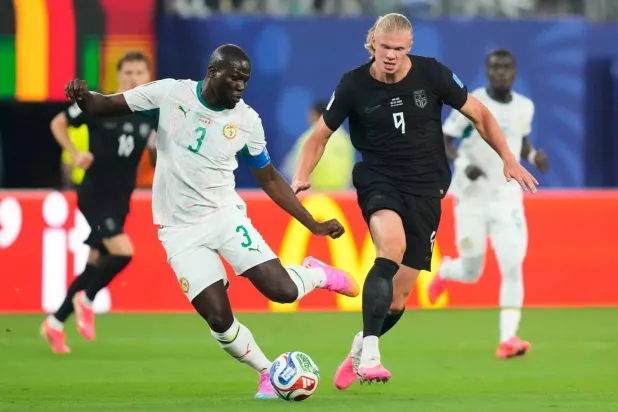
Salary crisis ends Tiao's era with 'Lions of Teranga'
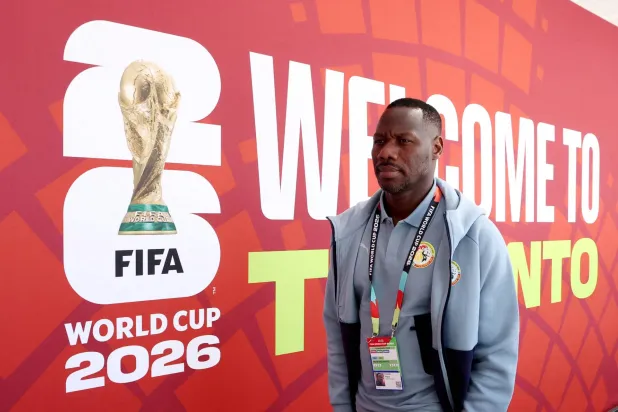
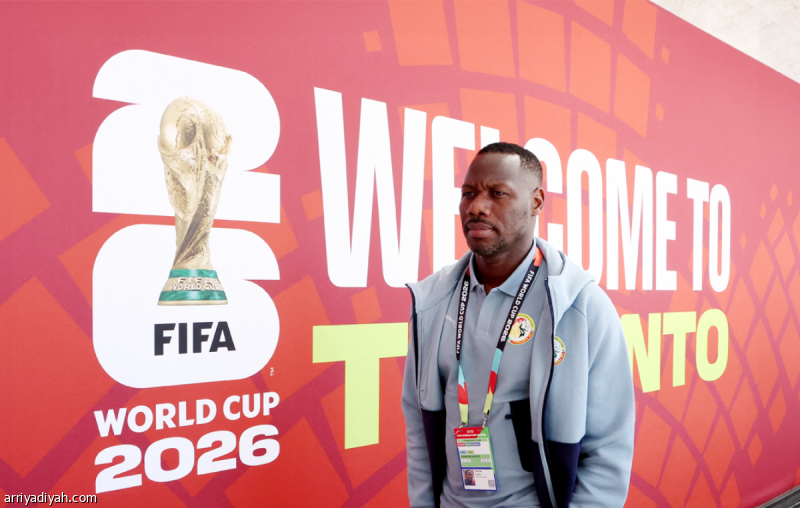
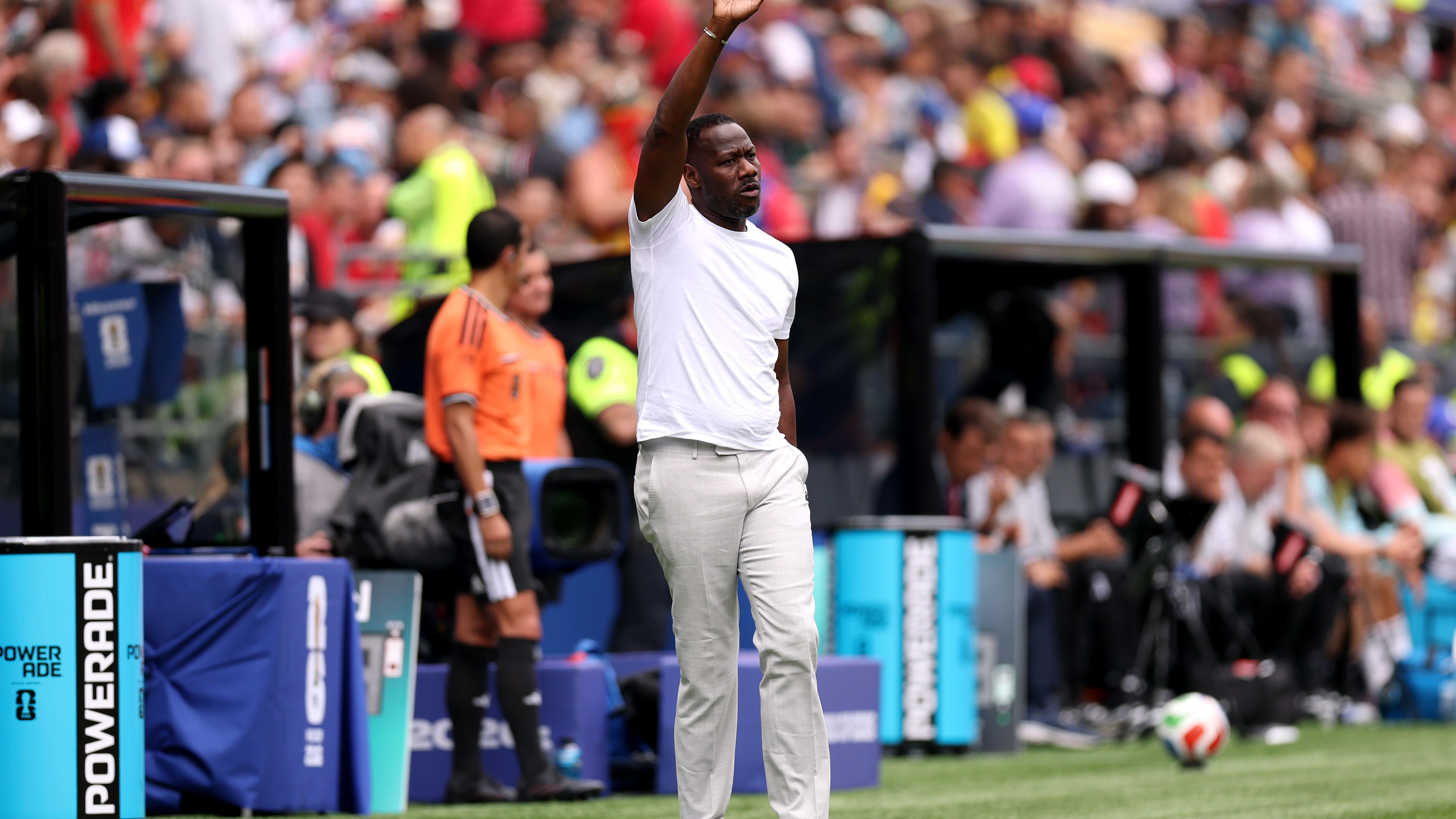
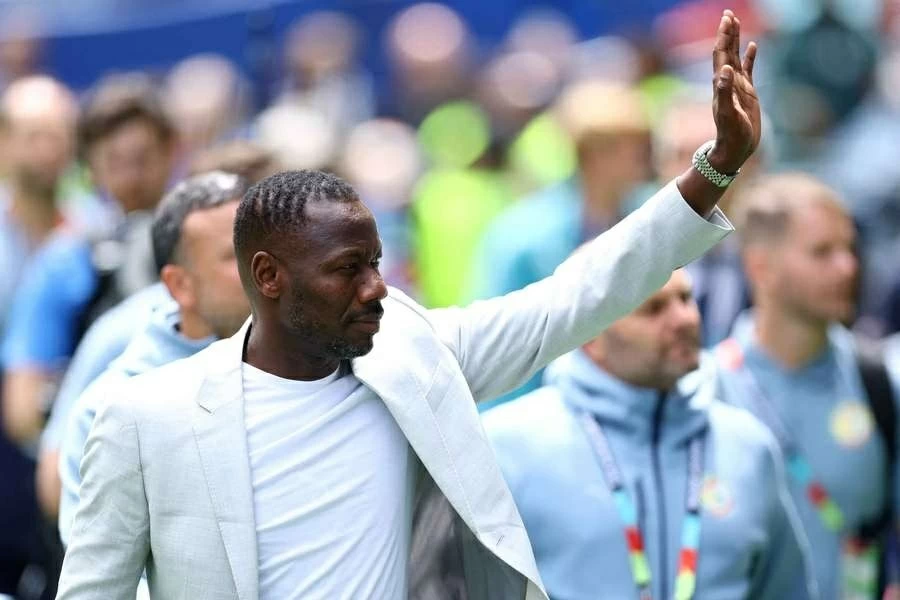
The president of the Senegalese Football Federation spoke on Monday about the toxic atmosphere surrounding the national team during the World Cup, after coach Pape Tiao demanded a salary increase.
The anticipated clash between Argentina and England in the semifinals of the 2026 World Cup will be more than just a match to decide who advances to the final; it revives one of the most prominent sporting rivalries with a political and military background, which has remained etched in the memory of both nations.
Matches between Argentina and England in the World Cup have always carried a dimension beyond sport, especially after their association with the Falkland Islands War of 1982.
It is not just a football match, but a blend of a sporting event with political and military implications, a rivalry that has transcended the boundaries of football and the green pitch to form a memory of conflict between peoples.
Between the Islands War in 1982 and Maradona's hand in 1986, football returns to ignite the spark ahead of a highly anticipated match between Argentina and England in the semi-finals of the 2026 World Cup.
The issue of the Falkland Islands, which Argentina calls the 'Malvinas,' remains a point of sharp disagreement between the two sides more than four decades after the armed conflict in 1982, which resulted in the deaths of 649 Argentine soldiers, 255 British soldiers, and three islanders.
Britain claims sovereignty over the Falkland Islands and maintains a military presence there, while Argentina continues to assert its rights through diplomatic channels and international bodies such as the United Nations.
Just four years after the war ended, the two teams met in the quarter-finals of the 1986 World Cup in Mexico, in a match that became a landmark in the history of the game.
That match witnessed two unforgettable goals by Argentine legend Diego Maradona: the first via a hand touch before the ball hit the net, and the second after a brilliant dribble from midfield, later considered the 'Goal of the Century.'
Between the generations of Maradona and Messi... Will the consequences of the Falklands crisis persist when facing England? (Reuters)
Maradona had said after the match that the first goal came 'a little with the head of Maradona, and a little with the hand...' before clarifying in later statements that the victory over England carried symbolic significance for many Argentines in the aftermath of the Malvinas War, which added dimensions to the encounter that went beyond sporting competition.
Since then, the encounters between the two teams have been associated with a special historical context, becoming some of the most attention-grabbing matches in the World Cup, not only for their technical quality but also for the political and historical legacy they carry in the memory of fans.
With the renewed meeting between the two teams in the semi-finals of the 2026 World Cup, this legacy returns to the forefront once again, but this time through a new generation of players, with each side seeking to write a new chapter in one of the most exciting encounters in the history of the game.
Argentina coach Lionel Scaloni affirmed that his team's match against England in the World Cup semi-final on Wednesday is nothing more than a football competition, despite the ongoing debate for decades between the two sides in sporting events and political corridors.
He said: 'It's a football match. Period. Nothing more than that.'
England... The dream of winning the World Cup is strong this time (AFP)
Scaloni added: 'Let's not look for anything else. It's a football match. We will play a football match against a great national team led by a great coach whom I appreciate and respect very much.'
This issue has come to the fore during the tournament, with Argentine fans and players chanting referring to the islands and to Maradona. Lionel Messi aims to end his international career by winning the World Cup for the second time.
Argentine player José Manuel López acknowledged the historical significance surrounding this match, but said the players will handle it professionally.
He told journalists: 'Obviously, this match, outside the boundaries of the field, carries a lot of history, a lot of pain, and a lot of events that preceded it. But we are professionals. We will play it the way we play every match, until the last second, and give our all. It's a World Cup semi-final match, and I think all my teammates have dreamed of playing it since we first started kicking a ball. We don't need any greater motivation than that.'
Maradona's statements after the 1986 match added a political dimension to the encounter, as he considered the victory over England a symbolic compensation for the defeat in the war. These matches remain among the most watched in the history of the tournament, thanks to the blend of historical legacy and technical rivalry between the two teams.
Original source: Asharq Al-Awsat


Comments (0)
Be the first to comment.