Barcelona leads Spain's golden age... and 'La Masia' dominance expected to increase
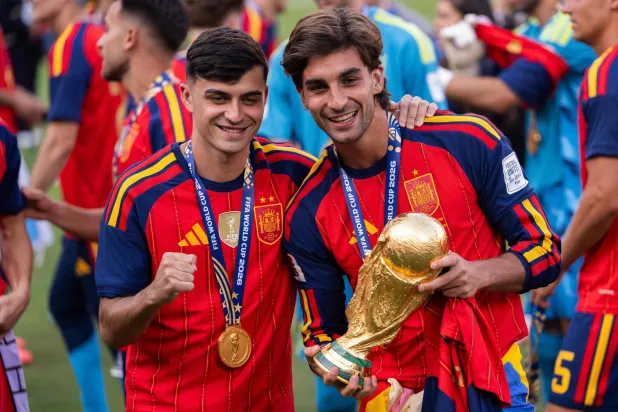
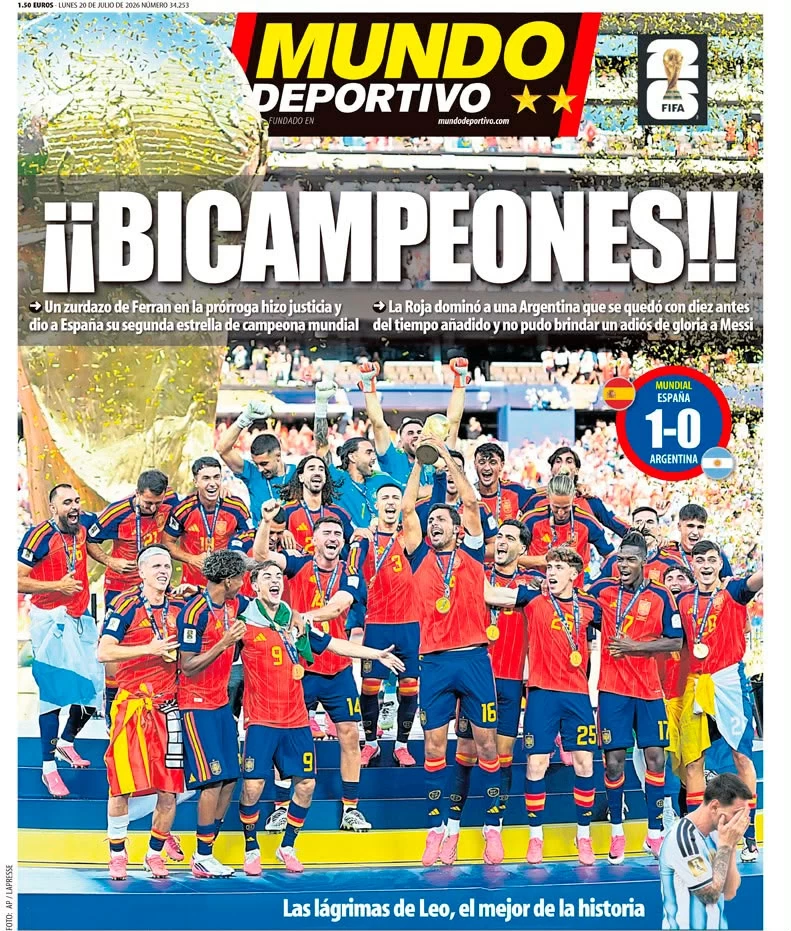
Spain's 2026 World Cup title was not just another achievement in 'La Roja's' history, but also carried clear signs of a new golden era for Spanish football.
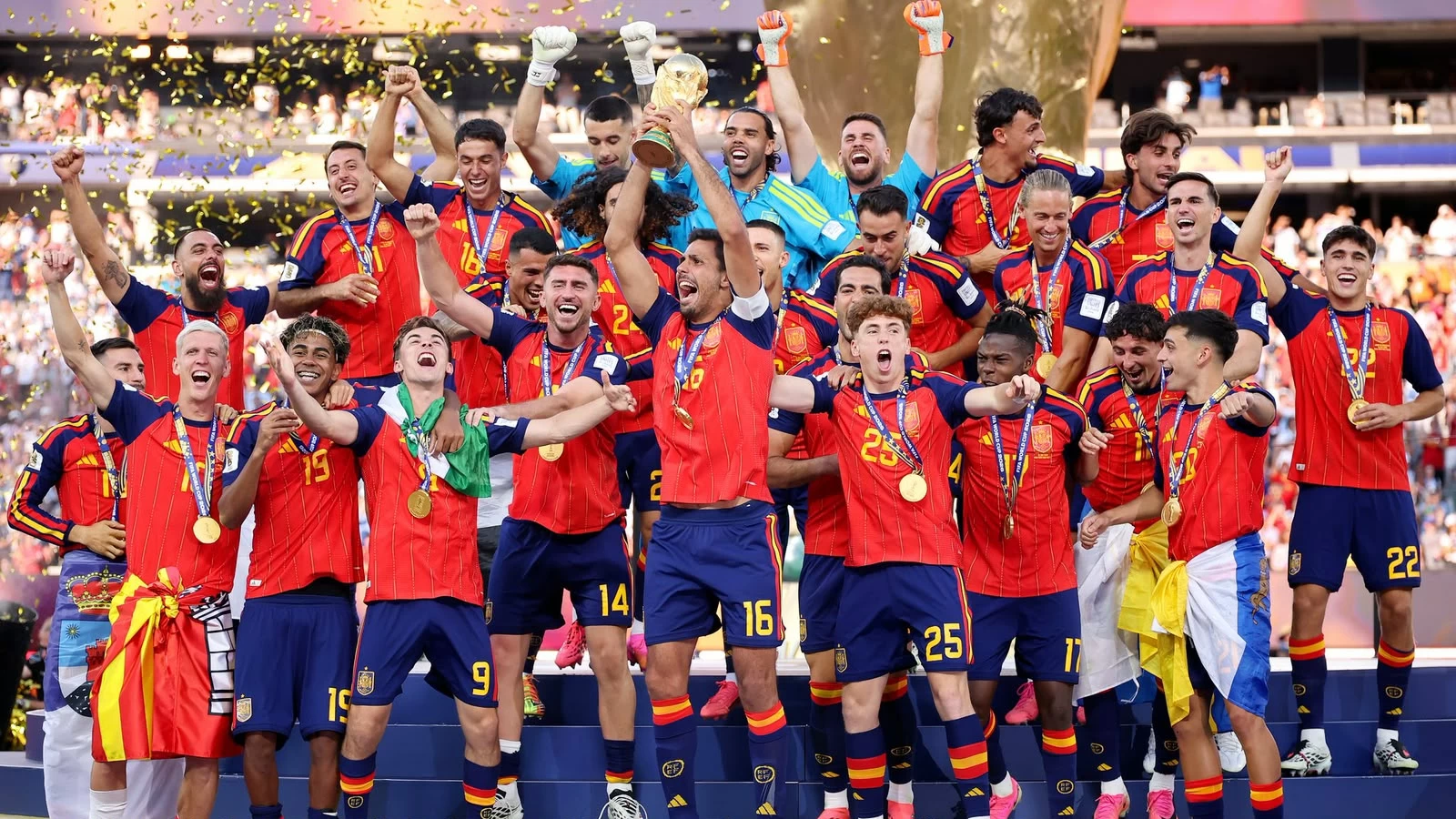
Spain's 2026 World Cup triumph was not just a new achievement in the history of 'La Roja', but also carried clear signs of the beginning of a new golden era for Spanish football, very similar to the one that brought glory to the national team between 2008 and 2012, when it won two European Championships and the 2010 World Cup.
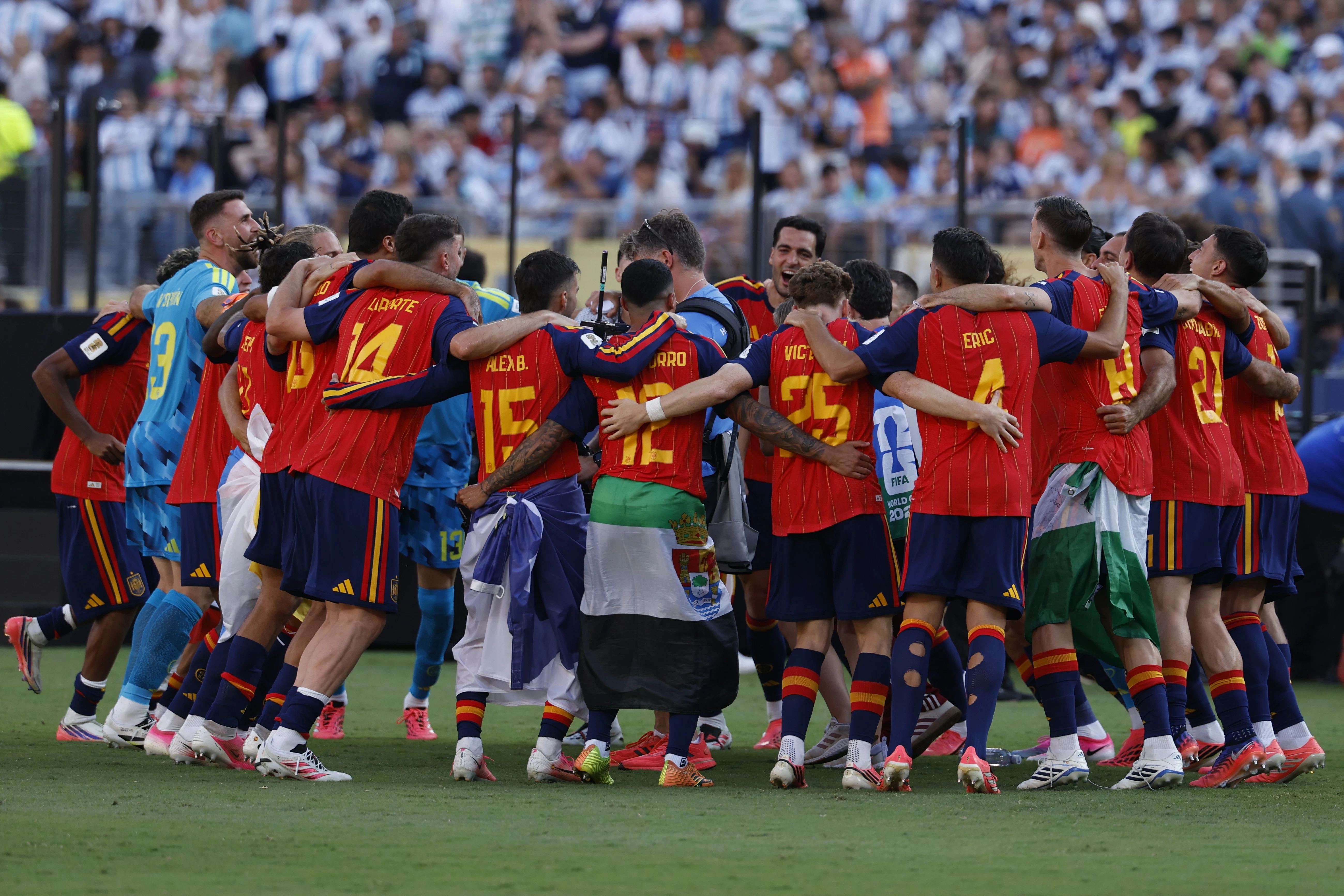
The common denominator between the two generations was Barcelona, which imposed its presence strongly within the Spanish national team, both in terms of the number of players and the style of play that became the hallmark of the world champions. The victorious Spanish World Cup squad included eight players from Barcelona, the highest representation of a single club in a world champion team since Peñarol contributed nine players to Uruguay's 1950 title, and it is also the fourth highest number in the tournament's history.
At the forefront of this generation is the young duo Lamine Yamal and Pau Cubarsí, both 19 years old, who came through the La Masia academy together before becoming stars of the Spanish national team. The World Cup final also featured other graduates from the same academy: left-back Marc Cucurella, who announced his move to Real Madrid, and Argentina captain Lionel Messi, the most famous La Masia graduate in history. Meanwhile, the scorer of the winning goal, Ferran Torres, despite graduating from Valencia, has worn the Barcelona shirt since 2021.
Barcelona's influence within the Spanish national team does not appear to be waning soon; a number of emerging talents are expected to join the senior team in the coming years, such as Fermín López, who missed the World Cup due to injury, as well as Marc Bernal, who is regarded as one of the brightest future stars. But Barcelona's impact goes beyond player numbers, extending to the team's identity and style on the pitch.
An official at the La Masia academy, who preferred to remain anonymous, told The Athletic: 'Barcelona's goal is not to supply the Spanish national team with players, but to prepare players for the first team who fully understand the club's philosophy. But what happened is natural; because Spain has adopted in recent decades a style very close to Barcelona's philosophy, and the club gives academy players real opportunities with the first team, something that does not happen at all Spanish clubs.'
It was not always this way; until the turn of the millennium, the Spanish national team relied on a style known as 'La Furia Española' (Spanish Fury), based on physical strength, aggression, and direct play. But everything changed when Luis Aragonés took over as coach in 2004, after he decided to build the team around technically gifted players, dropped then-Real Madrid captain Raúl González, and handed the keys to Barcelona star Xavi Hernández, who led a system based on possession and short passes, alongside players like Andrés Iniesta, Cesc Fàbregas, and David Silva.
This philosophy soon yielded results: Spain won Euro 2008, then the 2010 World Cup, before retaining the European title in 2012 under Vicente del Bosque. In the 2010 World Cup, the Spanish squad included seven Barcelona players, the highest among all clubs at the time, reflecting the Catalan club's huge influence on the national team. That success even affected Real Madrid's transfer policy; after years of relying on foreign stars, club president Florentino Pérez turned to signing the best young Spanish talents, acquiring players such as Isco, Asier Illarramendi, Marco Asensio, Jesús Vallejo, Álvaro Odriozola, and Dani Ceballos, all of whom were key figures in Spain's youth teams. However, most of them failed to establish themselves at Real Madrid or lead the senior national team, although that did not prevent the royal club from continuing its European success, winning six Champions League titles since 2014.
In contrast, Real Madrid's influence within the Spanish national team has declined unprecedentedly; the 2026 World Cup squad saw the absence of any player from the royal club for the first time in history, before Cucurella's move to Madrid became official during the tournament. This is not due to a lack of Spanish talent at Real Madrid, as there are names like Dean Huijsen and Álvaro Carreras, who await a bigger chance to prove themselves, but the reality indicates that Barcelona's youngsters have found more room to develop and shine with the first team.
The financial crisis that Barcelona has experienced in recent years helped quickly give opportunities to talents like Lamine Yamal, Pau Cubarsí, Marc Bernal, Fermín López, Marc Casadó, and Gerard Martín, who have succeeded in reaching the senior national team or the Under-21 side.
Perhaps Barcelona would not have promoted such a large number of La Masia graduates if it had the financial ability to sign world stars, but circumstances created an exceptional generation that the club has benefited from, and it seems that the Spanish national team will be the biggest beneficiary in the coming years, as talent continues to flow from La Masia to the world champions' ranks.
Original source: Asharq Al-Awsat
Comments (0)
Be the first to comment.