Clubs' Spending on Player Transfers: Investment or Expense?

Yasser Al Muharram
Clubs' Spending on Player Transfers: Investment or Expense?
20 July 2026 - 00:03 | Last updated 20 July 2026 - 00:03
Follow Okaz channel on WhatsApp
The player transfer market has become one of the most important pillars of modern football, with clubs allocating large budgets to sign players to strengthen their teams and achieve sporting success. However, spending on transfers is not seen merely as a financial expense, but as an investment that requires planning and study to ensure technical and economic returns.
Clubs determine their transfer budgets based on several factors, most notably annual revenues, sponsorship deals, television rights, ticket sales, in addition to the technical plans set by the coaching staff and sports management; thus, the value of deals varies from one club to another, depending on their financial capabilities and competitive goals.
Planned spending on transfers yields many gains, including raising the team's technical level, increasing chances of competing for titles, and enhancing the market value of the club and its players. Signing distinguished players also contributes to increasing fan attendance, boosting jersey and official merchandise sales, and attracting more sponsoring companies, which helps recoup a large part of the investment.
On the other hand, unplanned spending can lead to significant financial burdens, especially if the player does not meet expectations or if the deal value and wages exceed the technical and economic returns. Therefore, club management now relies on technical analysis, data, and medical and financial evaluation before finalizing any deal.
Football academies also play an important role in reducing spending on transfers, as developing local players provides clubs with technical options at lower costs, with the potential for future profits from their sale or transfer to other clubs.
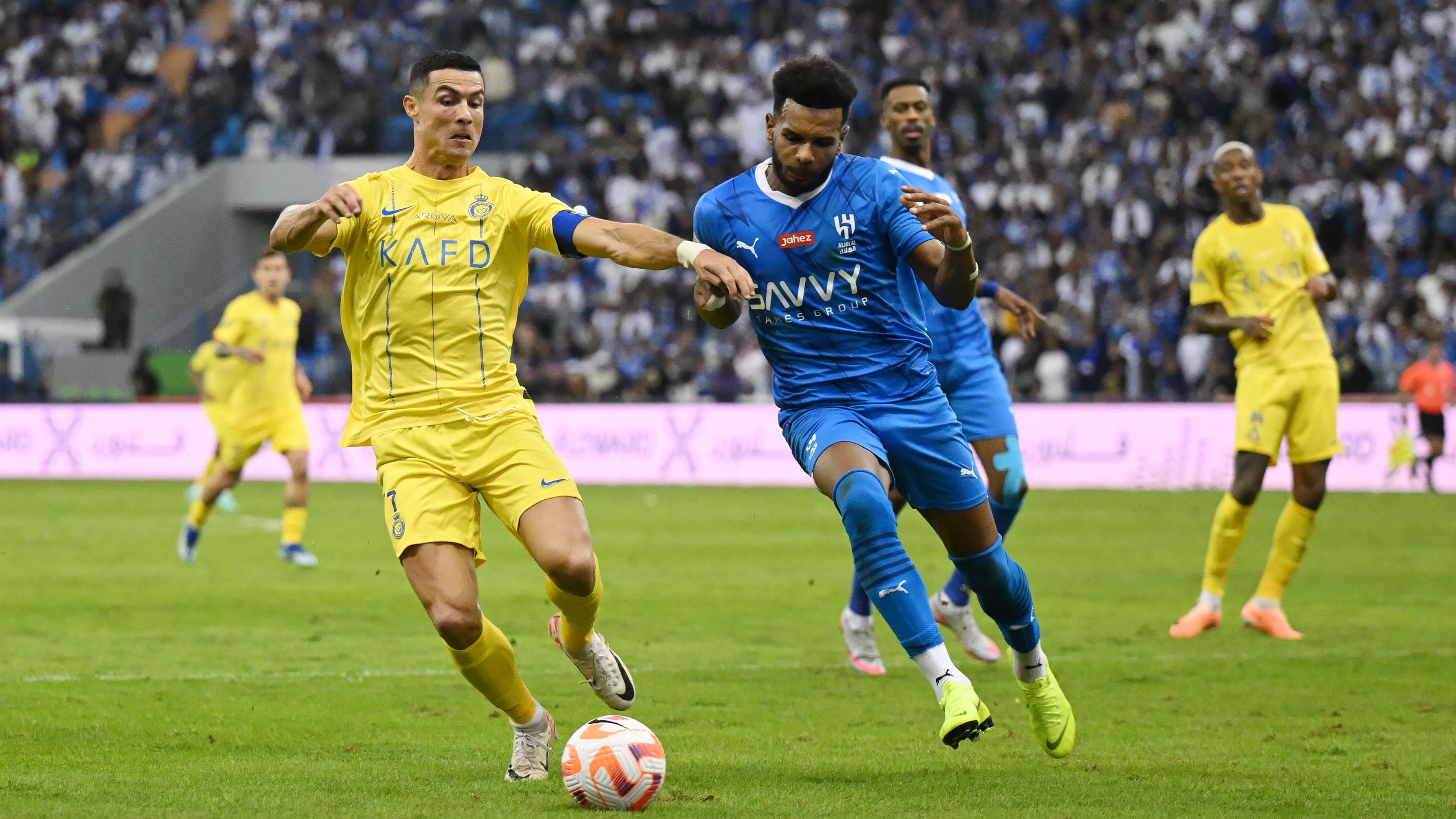
In the Kingdom of Saudi Arabia, recent years have seen a rise in spending on transfers alongside the development of the Saudi league and increased sports investments, which has helped attract world-class players and raise the competition's marketing value. However, true success is not measured by the amount of money spent, but by the club's ability to balance financial investment with sporting and economic returns.
Success remains dependent on clubs' spending on player transfers, which has become an integral part of modern clubs' strategy through professional management that makes every riyal spent a step toward building a strong team and achieving long-term financial sustainability.
Original source: Okaz



Comments (0)
Be the first to comment.