Do Football Players' Brains Get Affected by Playing the Game?
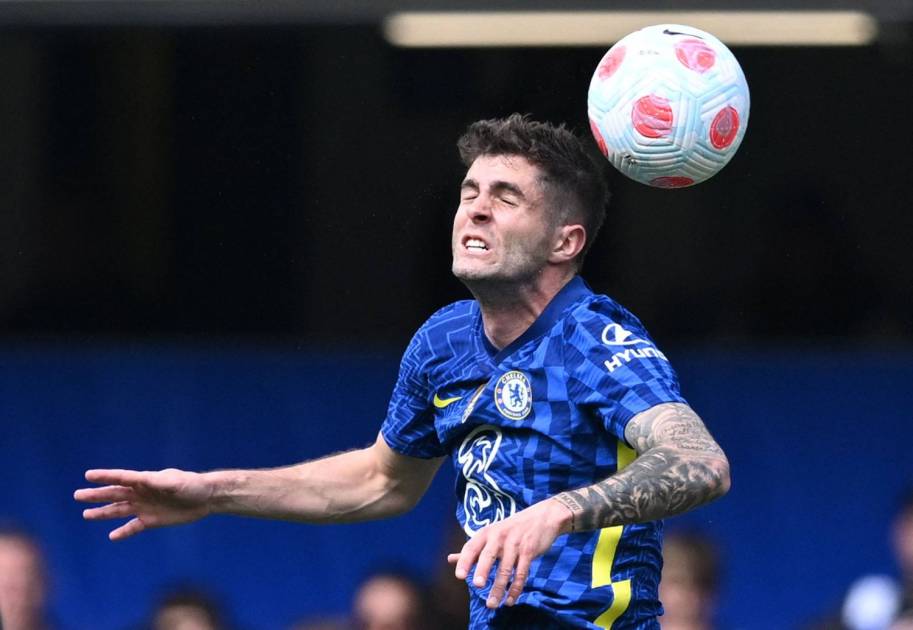
Summary: Athletes recorded much higher rates of suffering from mental health problems, with 31% of them reaching the threshold of clinical depression compared to 9% of the control group, and 42% of athletes recorded suffering from clinical anxiety compared to 25%.
Examinations of retired professional British football players showed structural differences in the brain and high rates of anxiety and depression, but they did not show any signs of cognitive decline, in a study conducted to determine whether repeated impacts such as heading the ball have an effect related to the risk of developing dementia.
The study, conducted by researchers at Imperial College London, included 142 former players aged between 30 and 60 years and were compared with 56 ordinary people of the same age group with no history of contact sports, military service, or previous concussions.
In addition to using questionnaires and tests to measure cognition, the researchers analyzed structural magnetic resonance imaging (MRI) brain scans from a qualified subgroup of 124 players and 40 control group individuals to check for differences in gray matter volume.
The study authors, who presented the findings at the Alzheimer's Association International Conference on Sunday, said the research is part of a major effort by scientists to address repeated head trauma as an interventional risk factor that potentially contributes to the development of dementia in advanced age, similar to how doctors treat high blood pressure or cholesterol.
The study lays the groundwork for what is intended to be a longitudinal study of these players, whom the researchers plan to monitor every two years.
Lead study author Thomas Parker, a consultant neurologist at Imperial College London, said: "This field is taking a more holistic view of brain health and dementia risk."
Similar results
After adjusting for factors such as age and education, the former players scored well as expected on memory and thinking tests, and showed no significant differences compared to the control group of healthy individuals.
The athletes recorded much higher rates of suffering from mental health problems, with 31% of them reaching the threshold of clinical depression compared to 9% of the control group, and 42% of athletes recorded suffering from clinical anxiety compared to 25%.
The researchers found that brain scans of former players showed that this group had less brain tissue in regions that control memory and emotion compared to the control group.
But only 2% of former athletes showed individual signs of severe brain shrinkage indicating active and advanced neurodegeneration.
The study has not yet undergone peer review, and the researchers expect to submit a paper with a larger sample and additional analyses later this year.
Original source: Independent Arabia






Comments (0)
Be the first to comment.