Egypt's National Team: When the Loser Earns the World's Respect

Firas Trabelsi
Egypt's National Team: When the Loser Earns the World's Respect
July 10, 2026 - 00:01 | Last updated July 10, 2026 - 00:01
Follow Okaz channel on WhatsApp
In football, not every defeat is a fall, and not every loss is the end of the story. Sometimes a team leaves the tournament, but it leaves bigger than it entered; more respected, more present, and more convincing that what happened was not a fleeting spark, but the beginning of a project worth building on.
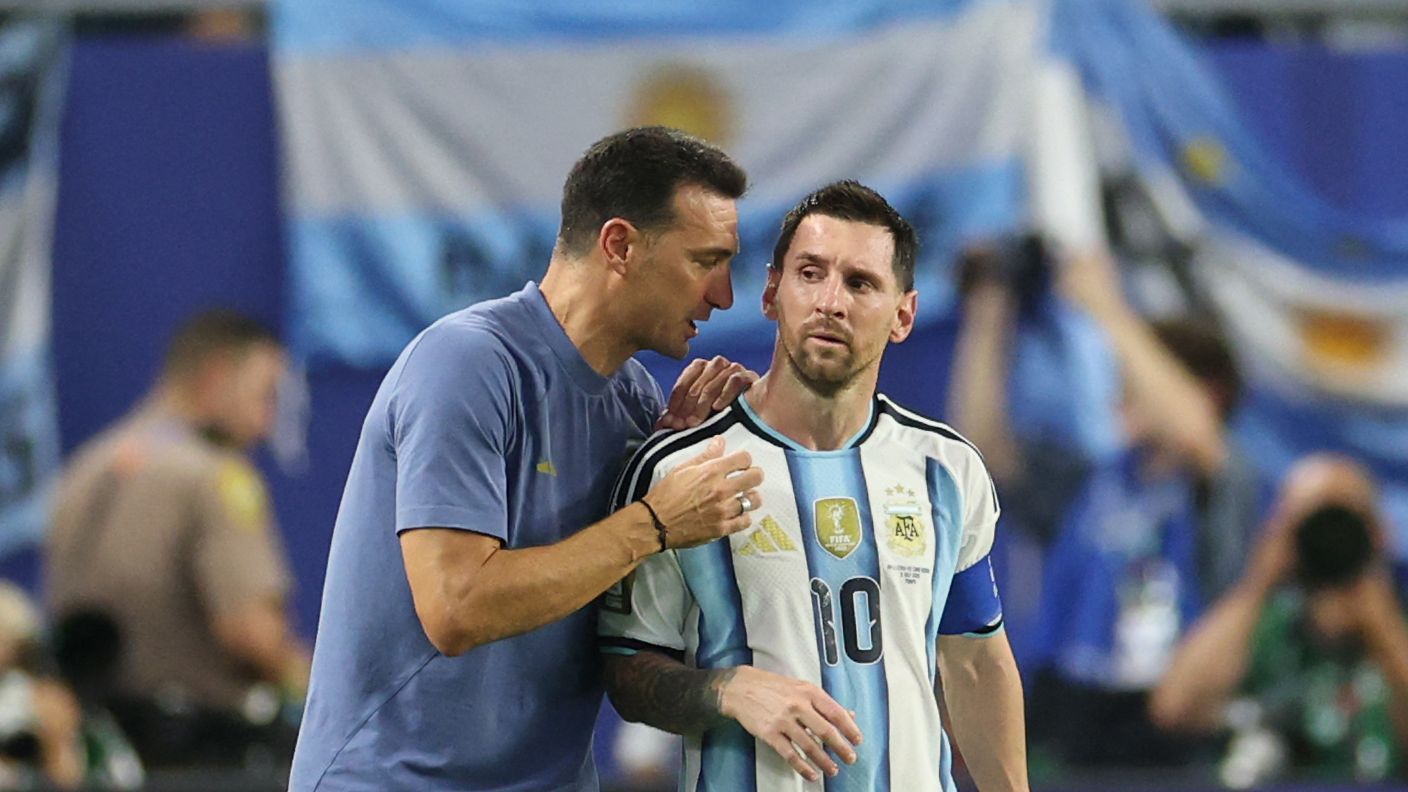
And this, in my estimation, is what the Egyptian national team did in its recent match against Argentina. Egypt played a big match, indeed a big tournament, from its beginning to its final moments. It appeared organized, courageous, confident, not playing with the mentality of a team waiting for a surprise, but with the mentality of a team that creates it. In five matches, it presented a different image of an Arab team capable of competing with the giants, not through emotional frenzy, but through discipline, good technical choices, and a spirit that makes the world take notice.
Fairness requires praising coach Hossam Hassan before the players. The Egyptian team appeared as a side that knows what it wants, not a group of talents waiting for an individual moment. His choices were clear, his reading of many tournament phases was courageous, and most importantly, he forged a personality for the team on the pitch; a personality that does not fear big names, does not get flustered by history, and does not play as if it came to bid farewell with honor, but to compete seriously.
As for the players, they proved that the current generation possesses something greater than enthusiasm and ambition. They have the ability to challenge the strongest teams in the world and stand before a great champion like Argentina without feelings of inferiority or intimidation. These young men did not just play a good match; they made a clear statement that Egypt can appear in global tournaments not as a fleeting guest, but as a real competitor if the building continues and the project is protected from emotional reactions.
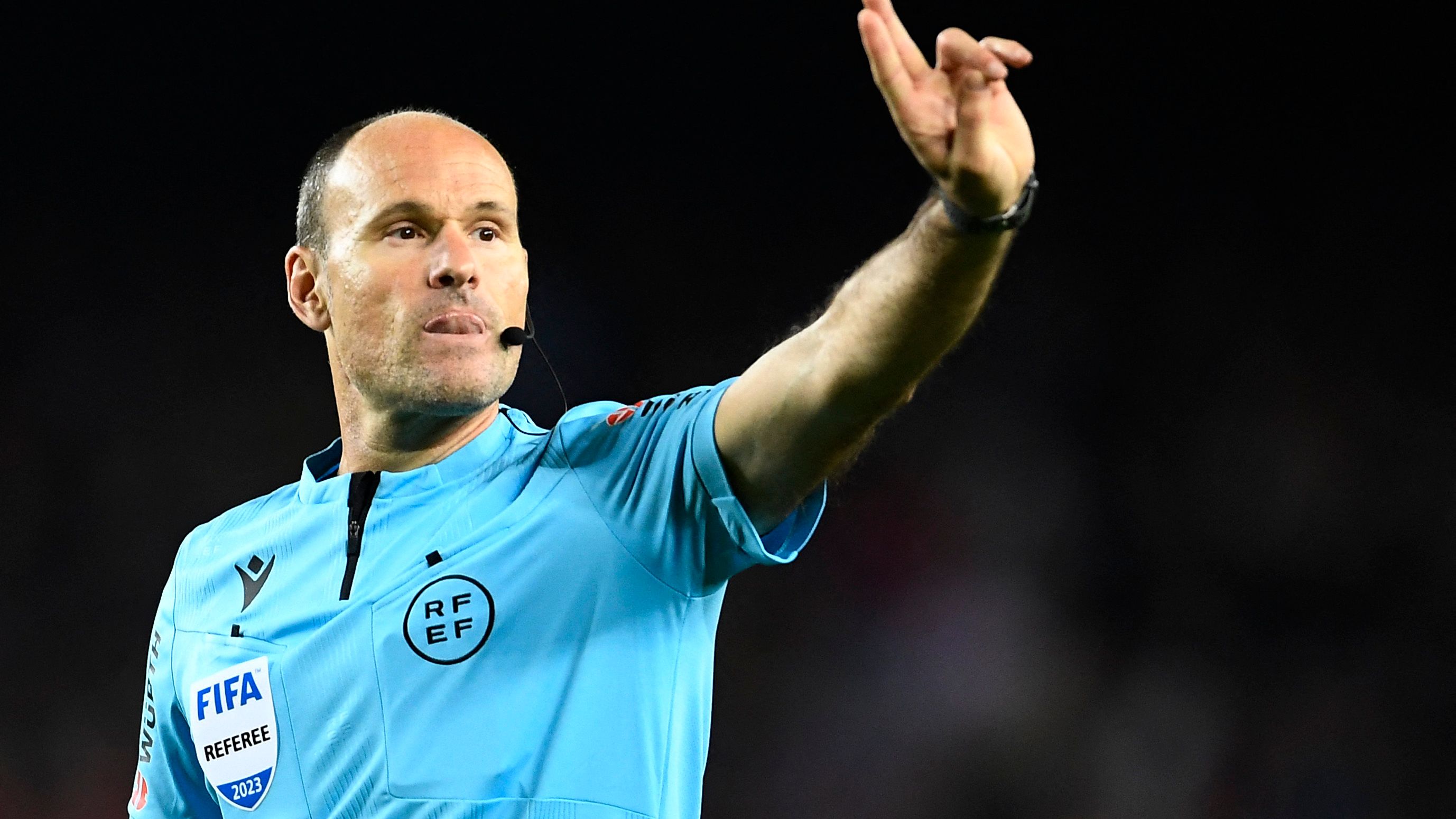
Yes, there were influential refereeing errors, and the Egyptian fans have the right to be angry about them. Refereeing injustice, when it occurs, should not be buried under phrases of courtesy. But the bigger mistake is to turn errors into a full conspiracy theory, as if the team's exit had no reason other than the world conspiring to eliminate it. This reading wrongs the team before it wrongs the referee; because it reduces a great match to anger, and reduces a promising project to victimization.
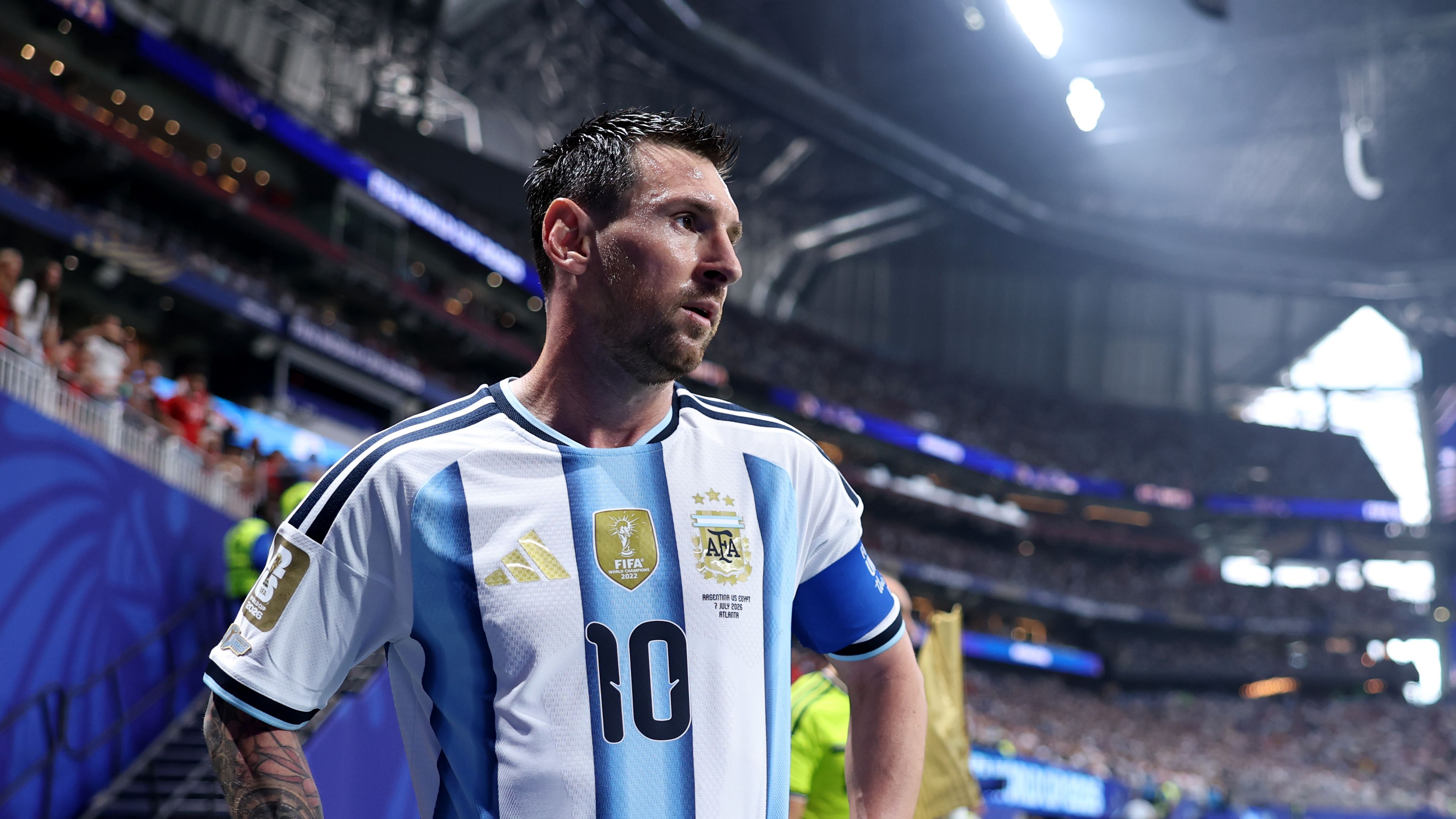
The truth is that Egypt did not lose because it was less in value or presence than Argentina, but because it reached a moment that could have been managed better. Egypt played one of its best matches in the tournament, and for long periods it was the more organized side and closer to imposing its rhythm on the game, but in the end it collided with the experience of a team that knows how to manage decisive moments. When Egypt took the lead, it needed a backup plan to better manage the remainder of the match, close spaces, and maintain the advantage, while Argentina succeeded in employing its long experience in such matches to turn the tide in a few minutes. This does not detract from the team's performance, but confirms that the difference was not in talent or courage, but in managing the details that often decide matches among the elite.
Nor was Egypt's gain solely on the pitch. There was a notable massive public support around the team, not only from Egyptians but from a wide Arab audience that saw in this team a reflection of themselves and a shared dream. In many Arab cities, people cheered for Egypt as if it were playing on their behalf, and this beautiful Arab solidarity was one of the tournament's finest images, because it reminded us that football, in its sincere moments, can unite what politics and borders divide.
The Egyptian national team lost the qualification ticket, but it earned the world's respect. This is not a compensatory sentence for a grieving fanbase, but a sporting reality. A team that stands before Argentina at this level, and forces the world to watch with respect, does not need a conspiracy theory to prove its worth. Its worth appeared on the pitch.
What Egypt needs today is not to dwell long on a past match, but to build on the great potential that was revealed. Great experiences are not measured by a single result, but by the lessons they leave and the horizons they open for the future. If the team reads this experience well, it will not have merely lost a qualification ticket, but will have laid the cornerstone for a more mature and prominent presence in future global tournaments.
Egypt left the tournament, but it did not leave the memory. It lost the result, but it gained something that a referee's whistle does not grant and refereeing errors do not cancel: the respect of the world.
Original source: Okaz



Comments (0)
Be the first to comment.