FIFA World Cup: Who scored the most goals, assists, saves and yellow cards?

FIFA’s biggest global showpiece saw 1,039 players from 48 nations play across 16 venues and score 308 goals.


Date of publication: 21 Jul 202621 Jul 2026
The 2026 World Cup set new benchmarks for global football, featuring an expanded format and record-breaking individual performances.
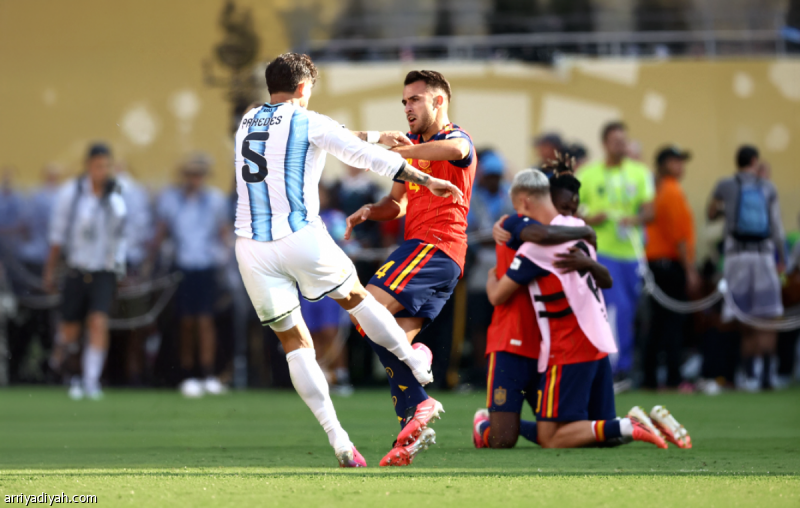
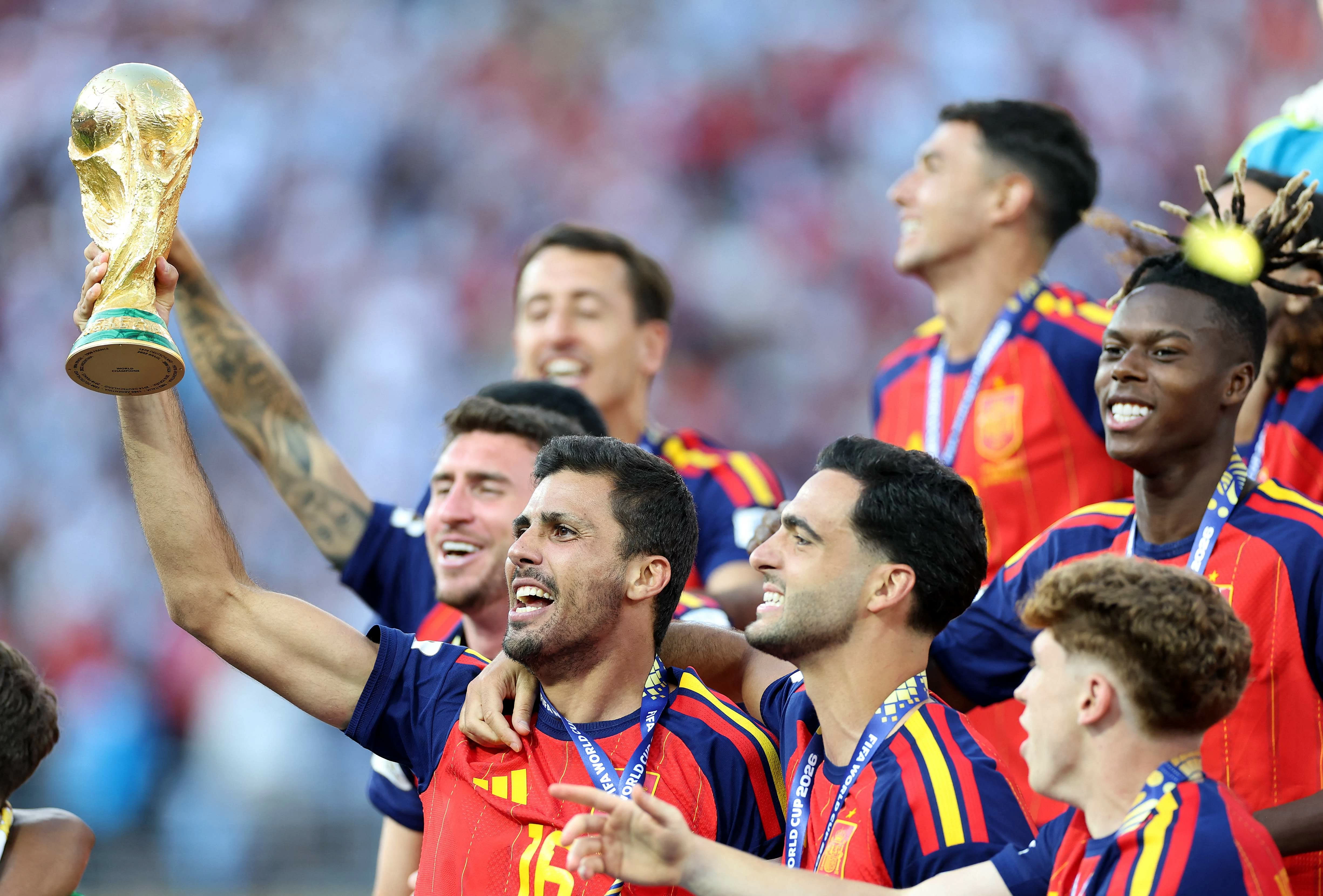
As Spain bask in the glory of their World Cup win in the streets of Madrid, and Argentina come to terms with being dethroned, the curtain has officially fallen on the FIFA World Cup 2026.
Much will be remembered about the global showpiece that was FIFA’s biggest tournament to date: three host nations, 16 venues, 104 matches across 39 days, featuring 1,039 players from 48 nations, and 308 goals scored.
The magnitude of the tournament is reflected in statistics that surpassed those of Qatar 2022 and stands as a testament to ever-evolving athletic ability and sporting limits.
Here’s a full breakdown of the 2026 World Cup in numbers:

Most goals and assists
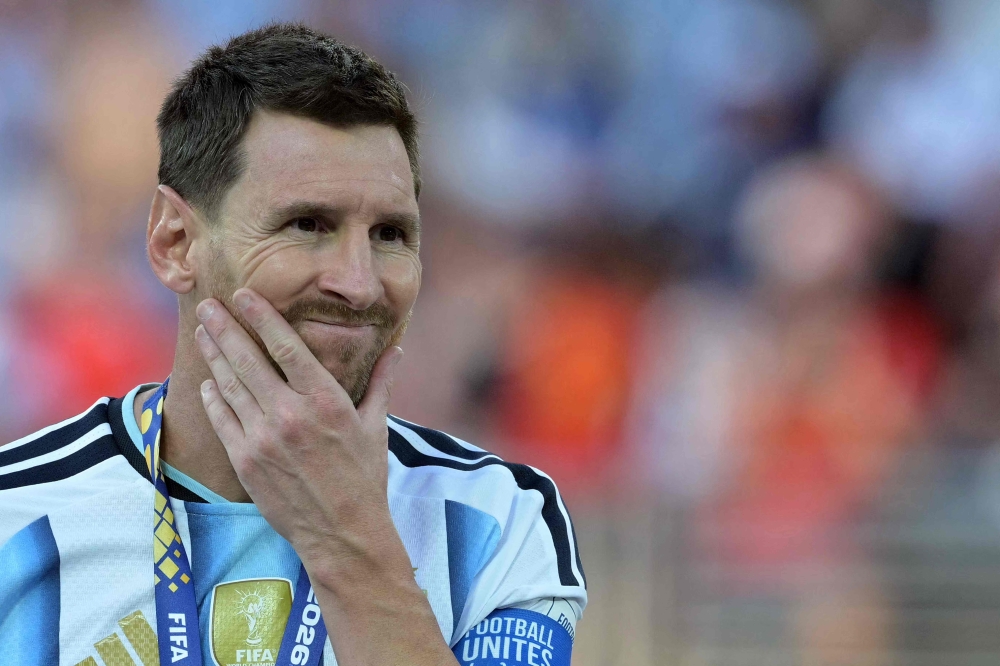
France and Real Madrid star Kylian Mbappe secured his second Golden Boot with 10 goals in the tournament, making him the first player since West Germany’s Gerd Muller in 1970 to achieve that feat, while Lionel Messi finished with eight goals in the 2026 edition.
Mbappe, 27, became the all-time leading goal scorer in World Cup history with 22 after his second goal during France’s third-place match against England, whose forward Jude Bellingham also scripted some history of his own as the first Englishman to score seven goals in a World Cup.
Top goal scorers:
- Kylian Mbappe (France): 10 goals, 4 assists
- Lionel Messi (Argentina): 8 goals, 4 assists
- Jude Bellingham (England): 7 goals, 1 assist
- Erling Haaland (Norway): 7 goals, 0 assists
- Ousmane Dembele (France): 6 goals, 2 assists
- Harry Kane (England): 6 goals, 2 assists
- Mikel Oyarzabal (Spain): 5 goals, 1 assist
- Ismaila Sarr (Senegal): 4 goals, 1 assist
- Julián Quinones (Mexico): 4 goals, 1 assist
- Vinicius Junior (Brazil): 4 goals, 1 assist
France also led in assists, with Bayern Munich midfielder Michael Olise notching his seventh assist during the third-place match against England.
Next best were five players with four assists each: Norway’s Martin Odegaard, Mbappe, Brahim Diaz of Morocco, Brazilian midfielder Bruno Guimaraes, and Messi.
England and France topped the attacking stats with 20 goals each.
The Three Lions had 14 assists, 118 attempts at goal (52 on target), and 50 percent possession control. France, meanwhile, had 18 assists, 139 attempts at goal (59 on target), and 51 percent possession.
Top team goals and assists:
- England: 20 goals, 14 assists
- France: 20 goals, 18 assists
- Argentina: 19 goals, 12 assists
- Spain: 14 goals, 10 assists
- Belgium: 14 goals, 10 assists

Most saves and clean sheets
Paraguay goalkeeper Orlando Gill was instrumental to his side’s shock win over Germany after a string of saves, including two in the penalty shootout that took them to the round of 16.
Spain’s Unai Simon ultimately had the best performance to win the Golden Glove award, while debutant Cape Verde’s Vozinha had some of the most memorable saves and heroics.

Most saves by a goalkeeper:
- Orlando Gill (Paraguay): 28
- Eloy Room (Curacao): 21
- Emiliano Martinez (Argentina): 20
- Gregor Kobel (Switzerland): 20
- Diogo Costa (Portugal): 20
- Jordan Pickford (England): 19
- Yassine Bounou (Morocco): 19
- Vozinha (Cape Verde): 18
- Zion Suzuki (Japan): 17
- Mohammed Al Owais (Saudi Arabia): 17
World Cup winners Spain had the most clean sheets (7), followed by four each from France, Colombia and Mexico. Argentina, Morocco, England, Brazil, Ivory Coast and Paraguay had two each.

In defence, Qatar and Egypt had the most own goals (2), while 10 countries had one own goal each.
Most goals conceded:
- Iraq, Tunisia, England: 12
- Uzbekistan, Norway: 11
- New Zealand, Sweden, France, Qatar: 10
- Curacao, Senegal, Algeria, Austria: 9
- Jordan, Haiti, Argentina, Bosnia & Herzegovina, USA: 8
Unsurprisingly, the most yellow cards went to Argentina (15) and Egypt (12), whose last-16 match was arguably one of the most controversial, heavily scrutinised, politically charged, and heated of the tournament.
Most yellow cards:
- Argentina: 15
- Egypt: 12
- Canada: 11
- Paraguay: 9
- Brazil, England, Switzerland, Colombia, Ecuador: 8
- Curacao, Portugal, USA, Haiti, Morocco, Bosnia: 7
Qatar and South Africa picked up two red cards each, with the former handed to Assim Madibo for a clumsy challenge on Ismael Kone that ended in a horrific injury.

The statistics from the 2026 World Cup highlight the increasing competitiveness and depth of international football, with multiple nations contributing to the attacking output. The tournament's expansion to 48 teams and 104 matches also underscores FIFA's push to globalize the sport. Future World Cups will likely see even more records challenged as athletic standards continue to rise.
Original source: Al Jazeera



Comments (0)
Be the first to comment.