Morocco's 'Wahbi'... Possession, high pressure, and a dream not shy of the title
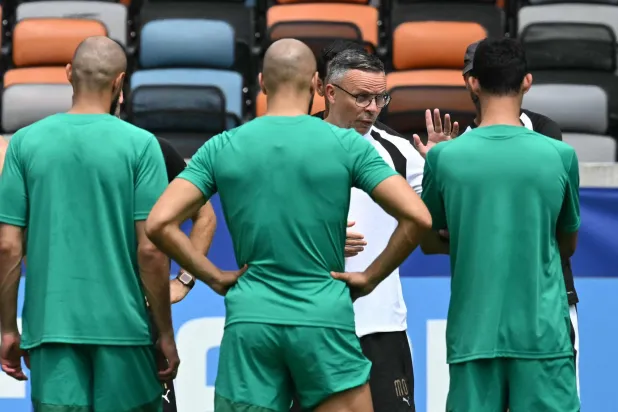
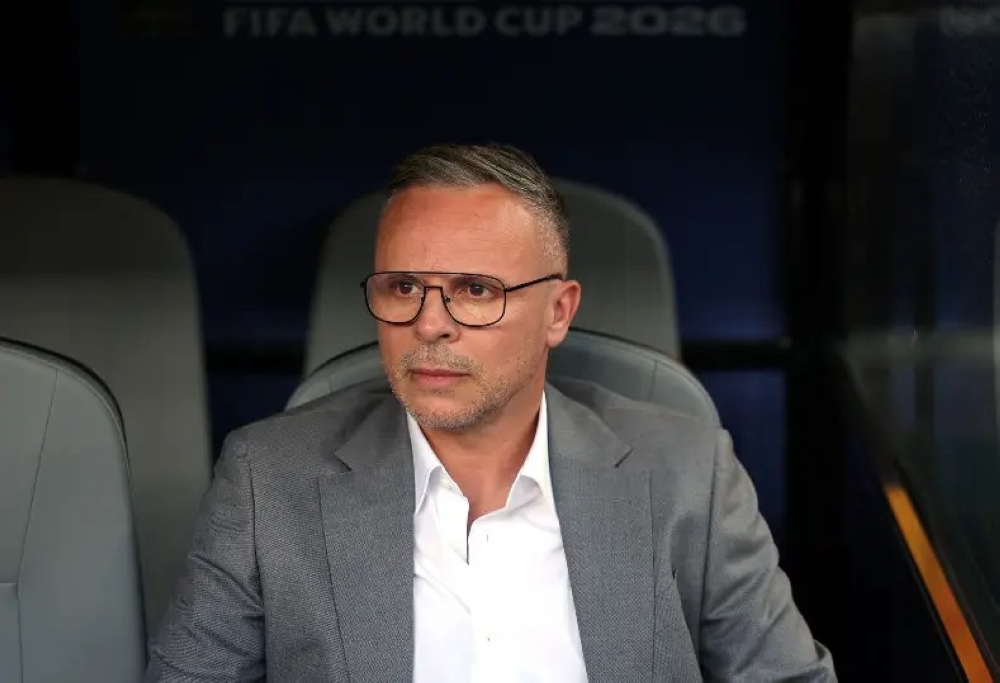
Mohamed Wahbi worked for years away from the spotlight in Belgian training centers, but when the opportunity to coach Morocco, who play Canada in the 2026 World Cup round of 16 on Saturday in Houston, came his way, he seized it fully, even publicly declaring his intention to lead the 'Atlas Lions' to the World Cup title.
Wahbi, born in 1976 in Schaerbeek on the outskirts of Brussels, began his coaching career early, at the age of 21 taking charge of the youth teams of Maccabi Brussels.
The coach, who never played professionally and was drawn to the game after Morocco's 1986 World Cup achievement when they reached the round of 16 for the first time, was recruited by the legendary Anderlecht to work with their age groups.
Over more than 20 years, he helped nurture many talents there, including Youri Tielemans, Dodi Lukebakio, Jérémy Doku, Charles Musonda, and Adnan Januzaj...
His work with Anderlecht caught the eye of Moroccan Football Federation president Fouzi Lekjaa, who appointed him coach of the U20 team in 2022. He showed his skill at the FIFA U-20 World Cup in Chile last year, winning en route to the title against Spain, Brazil, France, and Argentina!
That result was enough to earn him a promotion to the senior team, after criticism of the cautious play of former coach Walid Regragui, who led Morocco to become the first African team to reach the World Cup semi-finals in 2022 in Qatar.
"There were questions about his ability to steer the ship of the national team with its stars, but what we saw in the friendly matches was promising," former international striker Abdelaziz Benij told AFP.
He added: 'He came at a time when everyone was apprehensive (...) the stakes were very high and he succeeded, the tools changed, there were no more wingers in attack like (Hakim) Ziyech, (Sofiane) Boufal, or a clear striker like (Youssef) En-Nesyri, the entire shape of the team changed, we started playing with a false nine.'
Wahbi's preparation period was short, taking over the senior team last March, but with his attacking style based on possession, high pressing, and a false nine, he succeeded in imposing a completely different tactic from Regragui.
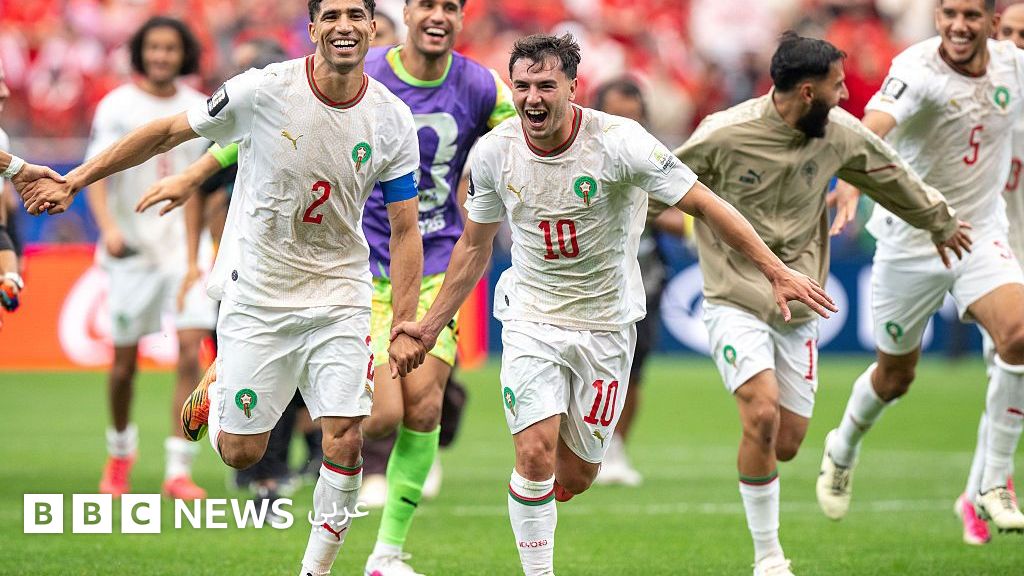
He served an early warning against Brazil (1-1), and knocked out the Netherlands and their stars in the round of 32 after forcing coach Ronald Koeman to adopt a surprising defensive plan for the Oranje.
Former international Aziz Bouderbala, one of the architects of the 1986 achievement, explained to AFP that Wahbi 'in the Brazil match, and especially against the Netherlands, imposed his style against these two giants, and knew how to manage all their phases, and there were varied attacking solutions without losing defensive solidity (...) Wahbi indeed brought a qualitative addition, not just a continuation of what was there.'
With his attacking style based on possession, high pressing, and a false nine, he succeeded in imposing a completely different tactic from Regragui.
'Imposing my stamp'
Wahbi, a 49-year-old physical education teacher, believed in his project from the start, saying after the draw with Brazil: 'When I took over the national team, I wanted to impose my stamp and my footballing principles.'
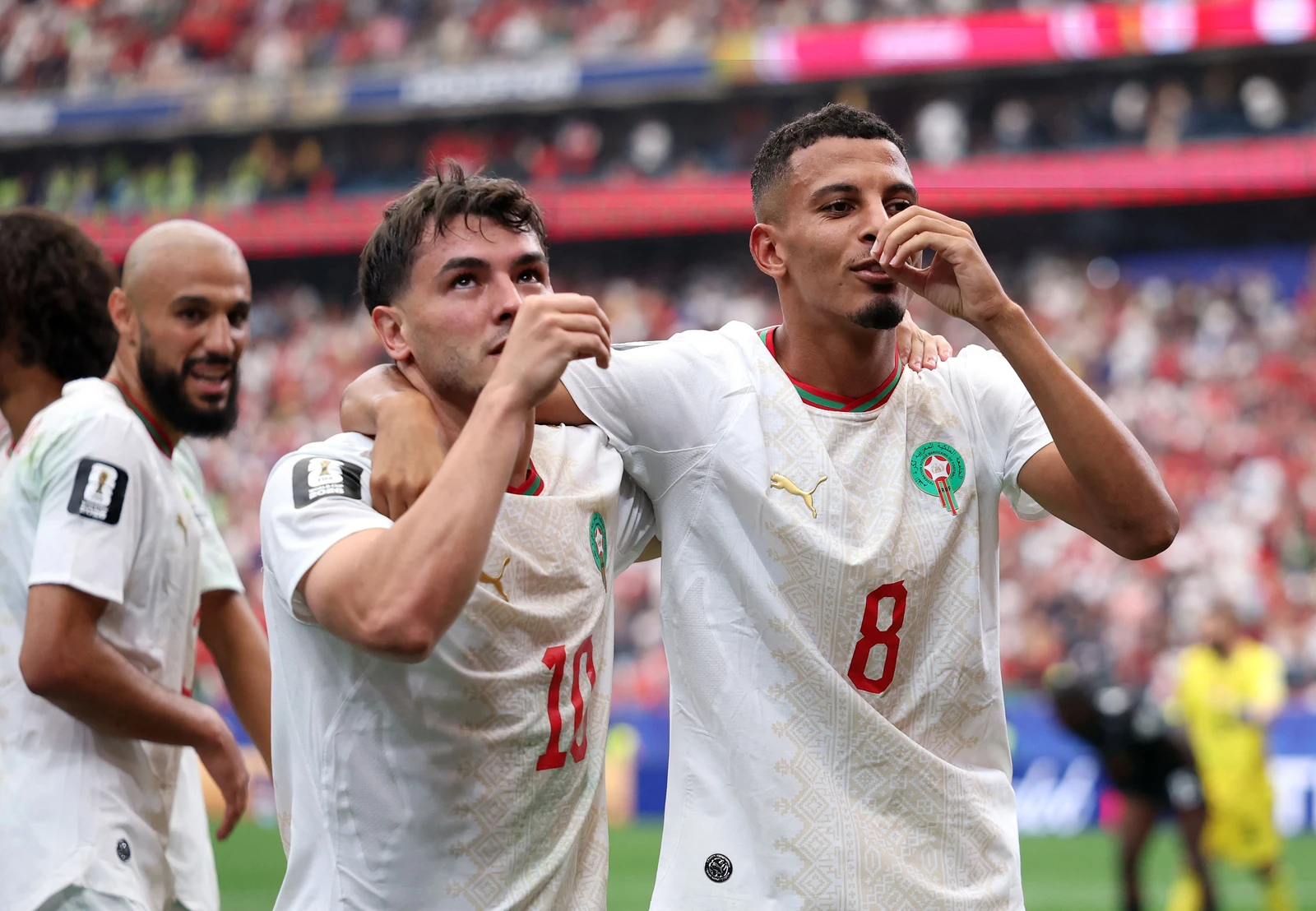
Despite the presence of some well-known names, such as Achraf Hakimi, Azzedine Ounahi, and Ismael Saibari - who has scored three goals in the current tournament and recently moved to Bayern Munich - Benij explains that 'the team changed its playing style, the waiting style, and the compactness somewhat, waiting for opponents' mistakes, and playing on the counter-attack, all these were the stamps of coach Regragui.'
He pointed out that 'we were not accustomed in the national team to playing out from the back for years, even with big coaches, but Wahbi imposed this style, possession, and playing with almost six midfielders, who by changing positions are capable of playing in depth, asking for the ball, and transforming into attackers.'
He continued: 'So despite having many players with a midfield tendency, they attack, create chances, like Saibari, Ounahi, El Khannouss, and even Ibrahim Diaz, whom I hope regains his spark quickly, as he shines defensively but not offensively, and that is the missing piece.'
Mohamed Wahbi worked for years away from the spotlight in Belgian training centers.
'Tactical flexibility'
He pointed out that 'Hakimi attacks more, turns into a winger or striker at times, and plays the same way at his club Paris Saint-Germain. All these transformations gave Wahbi balance in terms of playmaking, possession, and building attacks.'
For his part, Bouderbala explains: 'There was variety in attacking solutions, faster transition from defense to attack, with better exploitation of spaces. Tactical flexibility, and the ability to change playing style depending on the opponent, there was better management in big matches.'
He opined that 'if Diaz raises his level a bit, we could reach the final or win the title.'
As for Benij, he said: 'True, luck was not on our side in front of goal, but that is the price of playing without a clear striker who can finish attacks, but we became a more possession-based team, and the players touch the ball a lot, which wears out opponents, and tired the Dutch, causing them to lose their composure and commit many fouls.'
After the 4-2 win over Haiti, Wahbi said publicly: 'Morocco has entered a new phase, and we must believe in the possibility of winning the title.'
Original source: Asharq Al-Awsat
Comments (0)
Be the first to comment.