Seismic Sensors Detect Spanish Celebrations of World Cup Win
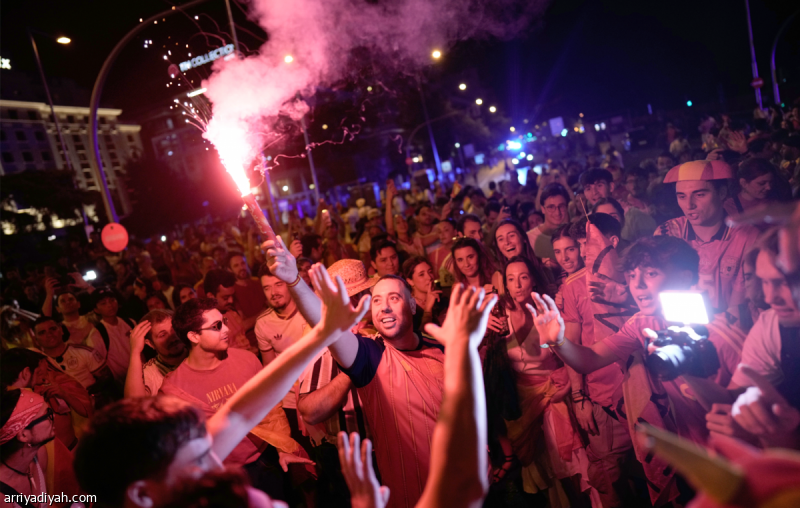
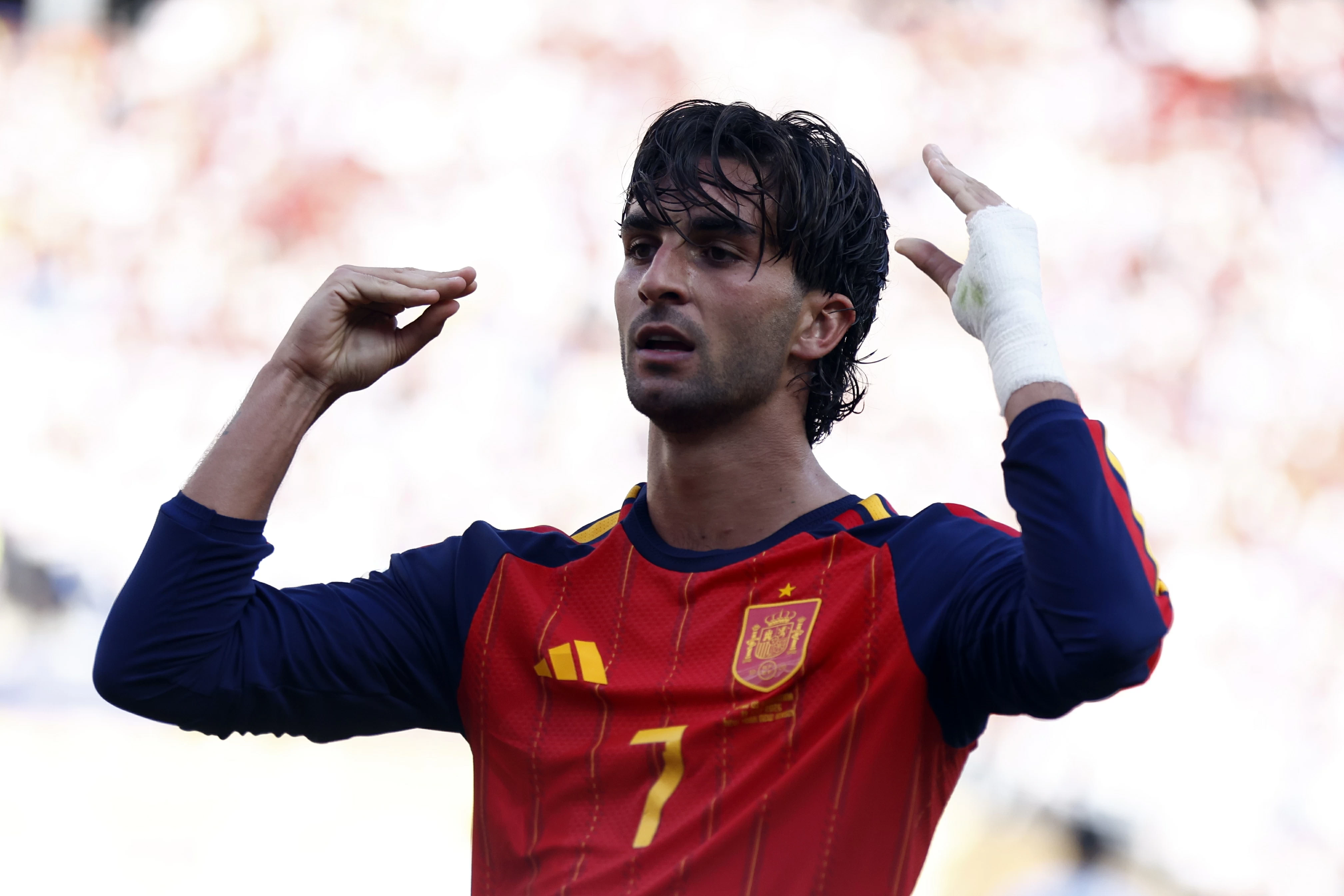
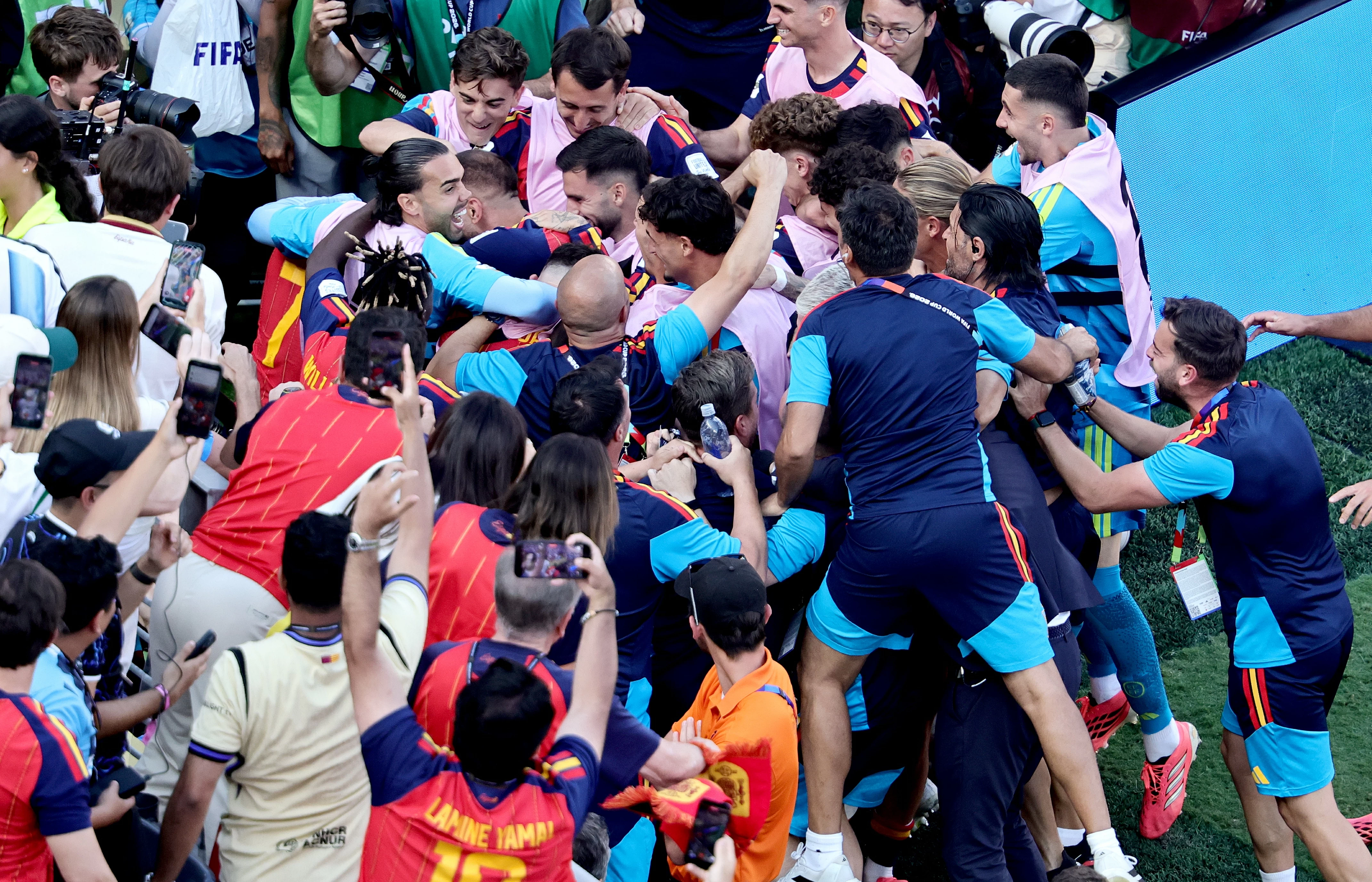
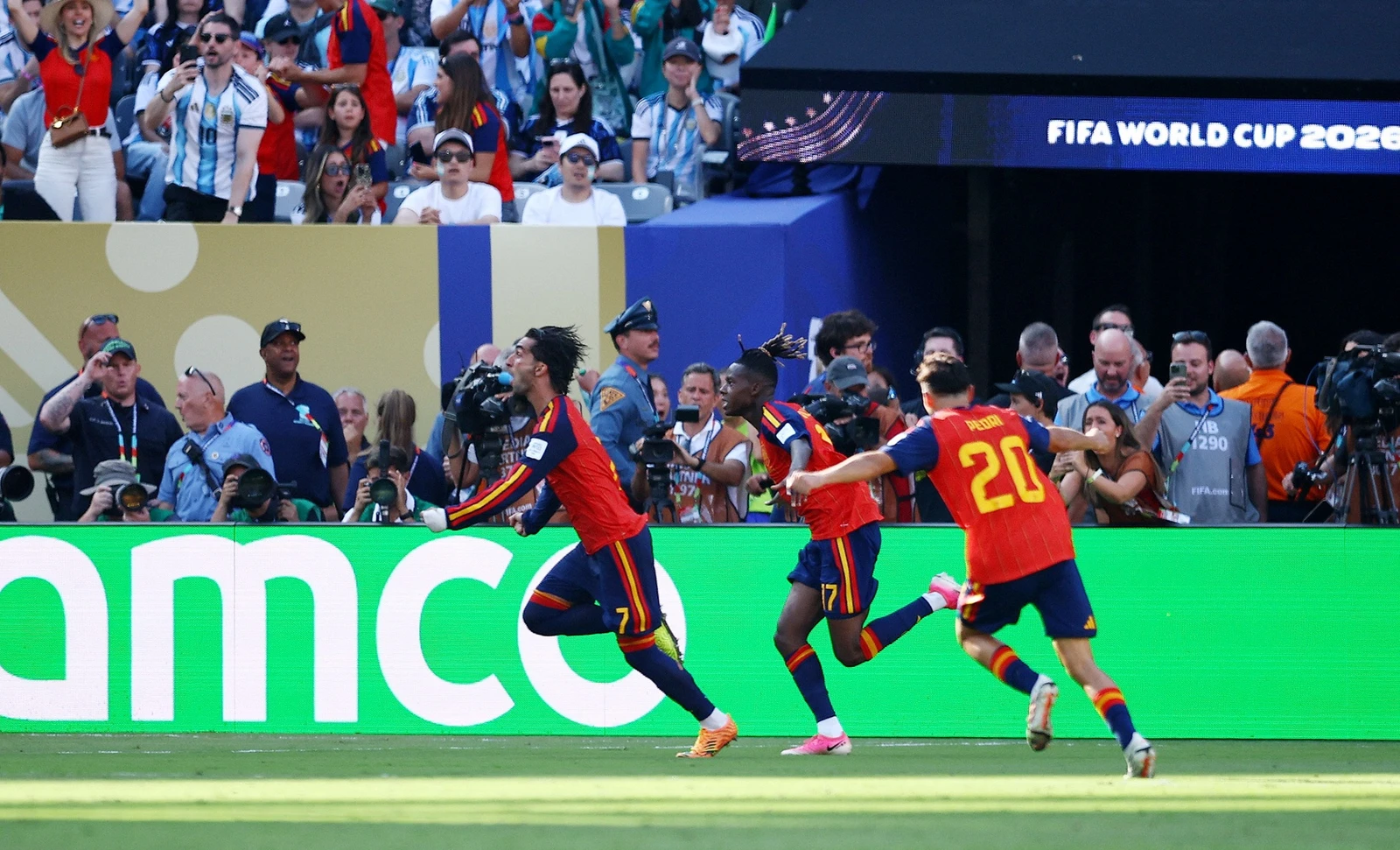
The celebrations of the Spanish national football team's 2026 World Cup victory were not only heard across the country but also felt underground, as earthquake sensors picked them up. Seismologists announced Monday that seismometers across Spain detected vibrations caused by fans celebrating after Ferran Torres' goal for 'La Roja' in the final against Argentina, which gave Spain its second world title since 2010. The Geosciences Barcelona center explained that researchers analyzed data from the Spanish National Geographic Institute and the Geological and Cartographic Institute of Catalonia, revealing unusual signals linked to celebrations in several cities, including Algeciras, Barcelona, Cádiz, and Granada. In a press release, the center disclosed that sensors captured three clear waves of activity during the match: the first after Torres' goal in the 106th minute (the match went to extra time after a goalless draw in New Jersey), the second after another goal later disallowed by VAR, and the third and strongest after the final whistle. Scientists said these movements are an example of 'induced seismicity' resulting from human activity, in this case thousands of fans jumping, cheering, and celebrating simultaneously. Similar vibrations were previously recorded during Spain's victory over England in the Euro 2024 final, when goals by Nico Williams and Mikel Oyarzabal caused measurable ground movements in Madrid and Barcelona.
The celebrations of the Spanish national football team's 2026 World Cup victory were not only heard across the country but also felt underground, as earthquake sensors picked them up. Seismologists announced Monday that seismometers across Spain detected vibrations caused by fans celebrating after Ferran Torres' goal for 'La Roja' in the final against Argentina, which gave Spain its second world title since 2010. The Geosciences Barcelona center explained that researchers analyzed data from the Spanish National Geographic Institute and the Geological and Cartographic Institute of Catalonia, revealing unusual signals linked to celebrations in several cities, including Algeciras, Barcelona, Cádiz, and Granada. In a press release, the center disclosed that sensors captured three clear waves of activity during the match: the first after Torres' goal in the 106th minute (the match went to extra time after a goalless draw in New Jersey), the second after another goal later disallowed by VAR, and the third and strongest after the final whistle. Scientists said these movements are an example of 'induced seismicity' resulting from human activity, in this case thousands of fans jumping, cheering, and celebrating simultaneously. Similar vibrations were previously recorded during Spain's victory over England in the Euro 2024 final, when goals by Nico Williams and Mikel Oyarzabal caused measurable ground movements in Madrid and Barcelona.
Original source: Arriyadiyah



Comments (0)
Be the first to comment.