Specialist to Okaz: World Cup Final 'A Test of Nerves'

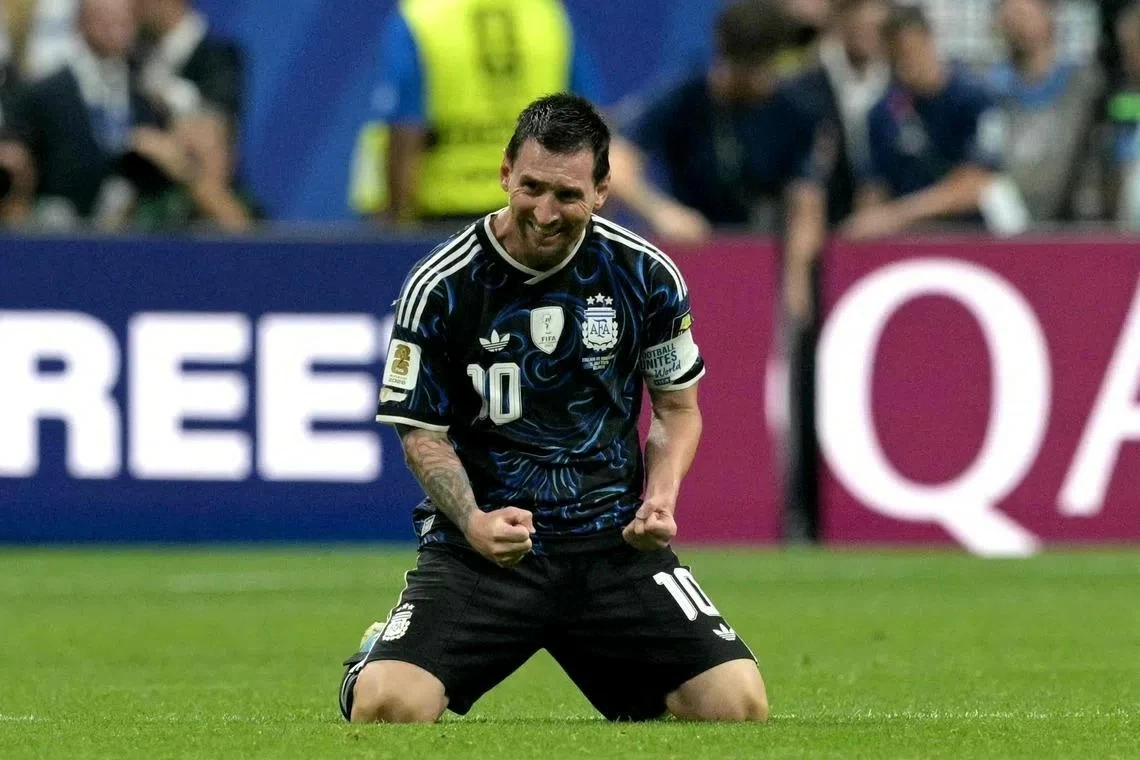
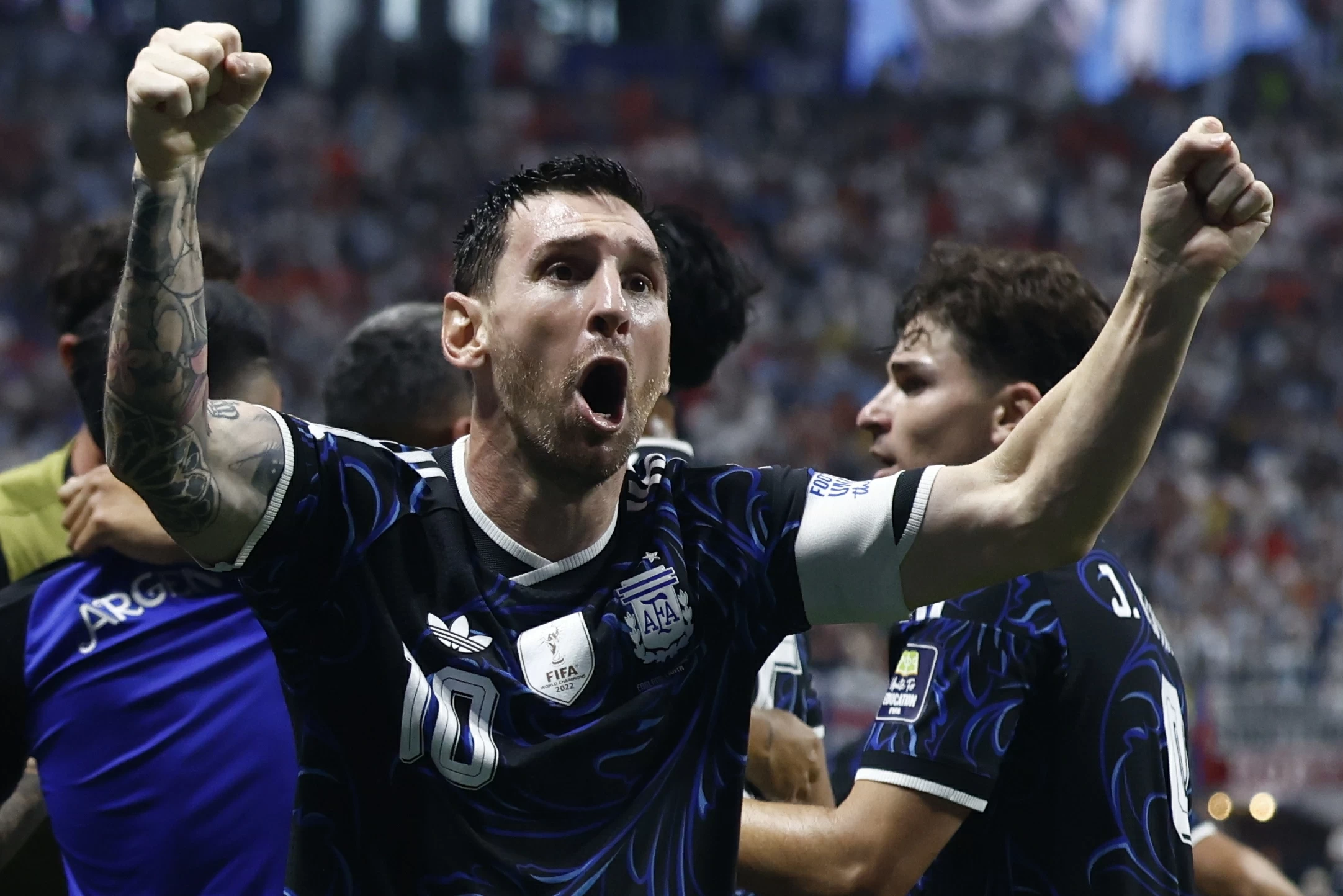
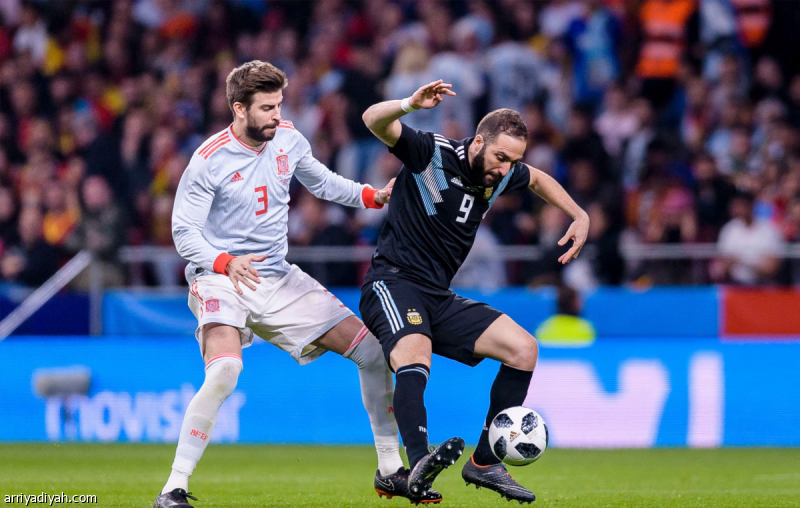
With the approach of the 2026 World Cup final, which will bring together the Argentine and Spanish teams tomorrow (Sunday) July 19 at the New York - New Jersey stadium, the world is expecting one of the strongest finals in the history of the modern tournament, especially since the two teams have presented exceptional levels throughout their journey to the final. Spain qualified after eliminating France 2-0, while Argentina reached the final after defeating England 2-1.
As the 2026 World Cup final approaches, bringing together Argentina and Spain tomorrow (Sunday) July 19 at the New York-New Jersey stadium, the world awaits one of the strongest finals in modern tournament history. Both teams have shown exceptional performances throughout their campaigns: Spain reached the final after eliminating France 2-0, while Argentina qualified by defeating England 2-1.
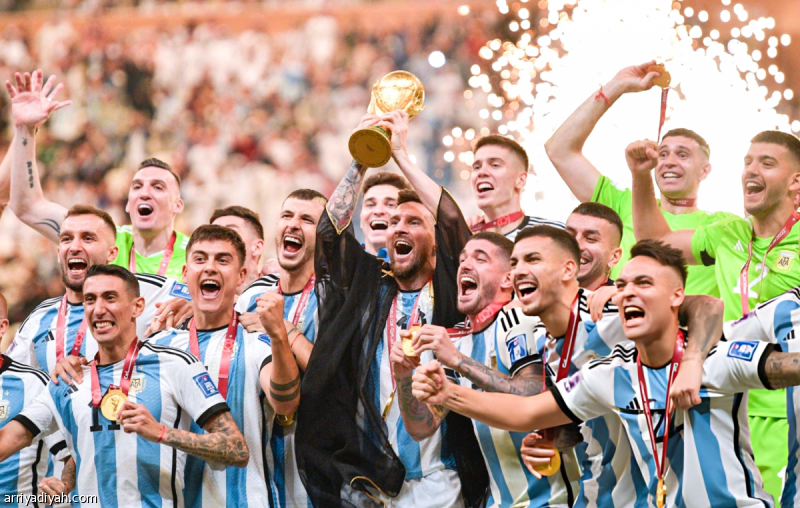
Social specialist interested in sports affairs, Marouj Mohammed Shahini, told Okaz: 'The 2026 World Cup final is a strong football confrontation and a complete struggle between tactical thinking, psychological readiness, and competitive experience, keeping predictions open until the last moments. The strength of the final lies in the close technical level of the two teams. Argentina enters as defending champion with vast experience in decisive matches, while Spain boasts a distinguished generation that combines individual skill and collective discipline. Both teams reached the final after overcoming top-tier global opponents, confirming that the final indeed brings together the tournament's best two teams.'
She explained that the players' level will be one of the most important decisive factors. Argentina includes players with championship character and the ability to handle pressure, while Spain relies on a young group characterized by speed, possession, and chance creation. Psychologically, the player who can control his emotions in the first minutes will be better able to perform at his best, because the fear of the final affects even top stars.
She pointed out that the coaches' plans will be the most influential factor in the match's course. Argentine coach Lionel Scaloni often relies on balance between defense and attack and exploiting quick transitions, while Spanish coach Luis de la Fuente prefers to impose ball control and build organized attacks from the back. Thus, we may witness a complex tactical struggle between two different philosophies: one seeking effectiveness and speed, the other aiming for control and possession.
Shahini emphasized that the crowd's role in cheering is no less important than the players' performance on the field. The crowd gives players a huge moral boost, especially in finals where tension and psychological pressure are high. Sports studies indicate that fan support raises confidence and focus and increases players' ability to overcome difficult moments. Conversely, conceding an early goal may turn the crowd into a pressure factor if anxiety spreads to the pitch. The team that handles the match calmly, whether ahead or behind, will have a greater chance of victory, as finals are often decided by emotional stability, not just technical superiority.
Regarding result predictions, Shahini explained: 'The match seems largely balanced. Small details like set pieces, individual errors, or successful substitutions could make the difference. The match is likely to be tactically tight in the beginning with mutual caution, before spaces open up in the second half.'
Shahini concluded: 'I expect an exciting and thrilling match until the last minutes. I see Argentina having a slight advantage thanks to their players' experience in big matches, but Spain has enough tools to overturn all expectations. It is not unlikely that the match will go to extra time if the draw persists, with the winner decided by penalties. There, victory depends on the intelligence, tactics, and calmness of the players and goalkeepers.'
As the final match of the 2026 World Cup approaches, which will bring together the Argentine and Spanish teams tomorrow (Sunday) July 19 at the New York - New Jersey stadium, the world is anticipating one of the strongest finals in the history of the modern tournament, especially since both teams have shown exceptional performances throughout their journey to the final. Spain qualified after eliminating France with a score of 2-0, while Argentina reached the final after defeating England 2-1.
The social specialist interested in sports affairs, Marouj Mohammed Shahini, told "Okaz": The final match of the 2026 World Cup represents a strong football confrontation and a complete struggle between tactical thinking, psychological readiness, and competitive experience, which keeps the predictions open until the last moments. The strength of the final match lies in the closeness of the technical level between the two teams. Argentina enters the match as the defending champion and has significant experience in decisive matches, while Spain boasts a distinguished generation that combines individual skill and collective discipline. The fact that both teams reached the final after overcoming top-tier global competitors confirms that the final indeed brings together the best two teams in the tournament.
She explained that the players' level will be one of the most important keys to the outcome, as Argentina includes players with a championship character and the ability to handle pressure, while Spain relies on a young group characterized by speed and the ability to maintain possession and create opportunities. Psychologically, the player who can control his emotions during the first minutes will be more capable of delivering his best performance, as the fear of the final affects even the biggest stars.
Original source: Okaz

Comments (0)
Be the first to comment.