Smashing Televisions
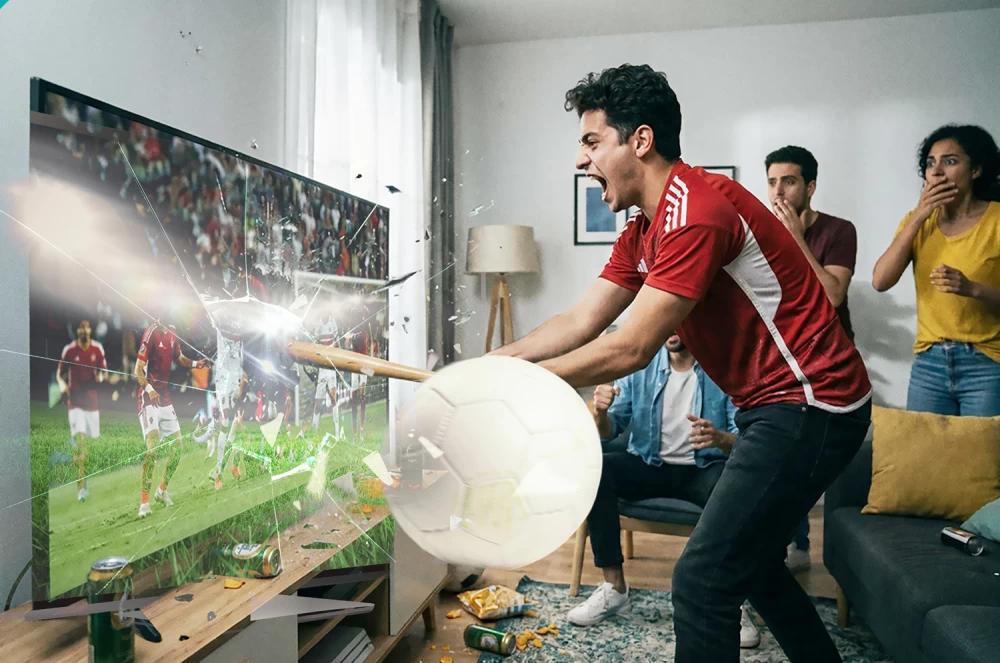
Social specialist: The phenomenon is an indicator of the rise of 'sports fanaticism'
Smashing Televisions
July 17, 2026 - 01:17 | Last updated July 17, 2026 - 01:17
Follow Okaz channel on WhatsApp
Mohammed Daoud (Jeddah) @mdawood77
In the world of football, especially during the 2026 World Cup, striking scenes recur after heavy defeats, as some fans resort to smashing televisions or damaging some property to express their anger and disappointment at the match result. This phenomenon reflects the intense emotional bond between the fan and his favorite team, as feelings of enthusiasm and high expectations turn into frustration and momentary excitement upon loss, prompting some individuals to impulsive behaviors they may later regret. Although these actions remain limited and do not represent all fans, they reveal the extent of the psychological and emotional impact that sports can leave on followers.
Social consultant Talal Mohammed Al-Nashri told Okaz that the clips circulating on social media platforms showing some fans in various countries around the world breaking televisions or destroying household items after their favorite national team's defeat in the 2026 World Cup represent a phenomenon worth considering from a social and psychological perspective, especially with the increasing spread of these scenes and some of them turning into content that reaps millions of views and interactions.
He explained that sports cheering in its essence is based on belonging, support, and backing, but some individuals exceed these natural limits to reach a stage of fanaticism and unjustified emotional reaction. The true fan remains supportive of his team or national team in times of victory and failure alike, while destroying property or harming oneself or others reflects a state of loss of control over emotions more than it reflects the strength of sports belonging.
He pointed out that some fans link their psychological state excessively to match results, treating loss as if it were a personal crisis or a defeat of their own, while the truth is that sports in essence are an entertaining competition aimed at fun and enhancing values of cooperation and national and social belonging, and not a measure of a person's worth or success in life.
Regarding the exploitation of social media platforms after matches, Al-Nashri said that verbal bickering, mutual mockery, and the spread of insults and angry comments represent uncivilized behavior that deviates from the goals of sports and its human message. Expressing sadness or disappointment is natural, but turning these feelings into insults, bullying campaigns, or incitement to hatred negatively affects society and leads to spreading a culture of fanaticism instead of a culture of mutual respect.
He stressed that some of the widespread clips may aim at seeking fame or increasing interaction and attracting views rather than being a true expression of fans' feelings, which encourages some to imitate these dangerous behaviors without realizing their negative effects on individuals, families, and society.
Social consultant Al-Nashri offered a set of tips for fans, most notably:
Enjoying matches with a positive spirit, accepting winning and losing as two natural sides of sports competition, avoiding being drawn into provocations or offensive comments, and not making decisions or emotional actions in moments of anger, stressing the importance that cheering be a means of fun and rapprochement between people, not a cause for disputes or material and moral losses. The conscious fan is one who applauds his team when it wins, stands by it when it loses, and maintains his ethics and sportsmanship in all circumstances.
Original source: Okaz




Comments (0)
Be the first to comment.